By The Liz Clark Team
Many sellers assume the best time to list is whenever they happen to be ready to move. Chestnut Hill's market does not always agree with that plan. We track how buyer demand shifts throughout the year in this neighborhood, and timing the
sale of your home correctly can mean a faster sale and a stronger price. This guide breaks down what we look at before recommending when a client should list.
Key Takeaways
- Learn how seasonal trends shape buyer activity in Chestnut Hill.
- Discover how to read local inventory and demand before listing.
- Find out how to weigh your personal timeline against market timing.
- Understand how to build a listing strategy that still gets you top dollar.
How Seasonal Trends Affect Chestnut Hill's Market
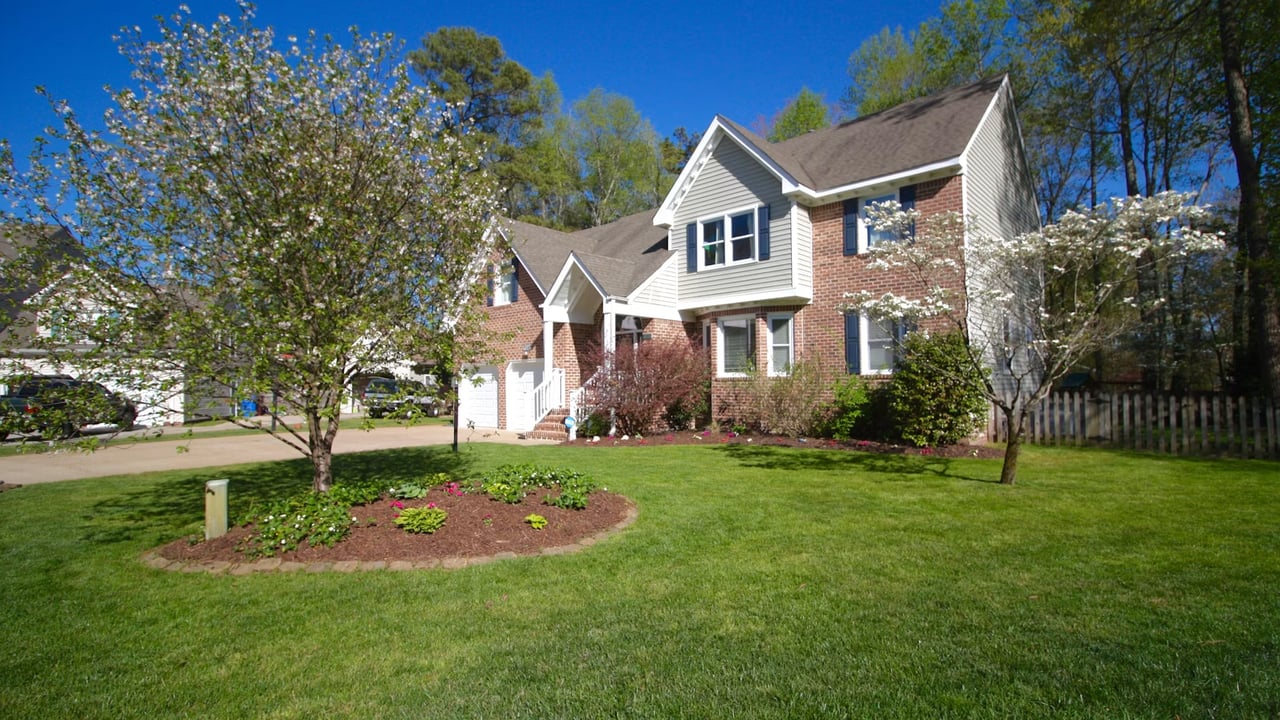
Buyer activity in Chestnut Hill follows patterns tied closely to the seasons, especially given how much the neighborhood's charm depends on its greenery. Listings that go live when flowers are blooming tend to draw a different level of interest than those listed in the middle of winter.
Why Seasonality Plays Such A Big Role Here
Buyers touring homes near Pastorius Park or along Germantown Avenue often respond to how a neighborhood looks and feels in person.
- Spring listings benefit from blooming gardens and tree lined streets.
- Early fall often brings serious buyers back from summer breaks.
- Winter listings can move well but usually see less foot traffic.
- Summer activity tends to slow as families focus on vacations.
Understanding these patterns helps sellers set realistic expectations for how quickly a home might move. It also shapes how we plan marketing and showings around the calendar.
Reading Local Inventory And Demand
Beyond the season, the number of homes currently on the market plays a major role in how a listing performs. We watch Chestnut Hill's inventory closely before advising a client on when to list.
Why Inventory Levels Change The Equation
A home listed during a low inventory stretch often draws more attention than the same home listed when competition is high.
- Low inventory periods tend to favor sellers with stronger offers.
- High inventory periods require more competitive pricing and presentation.
- Nearby sales along Germantown Avenue offer a real time read on demand.
- Days on the market for comparable homes reveal how fast buyers are moving.
Reading these signals accurately helps sellers avoid listing into a crowded market unnecessarily. It also gives us a clearer picture of how to price a home competitively from day one.
Weighing Personal Timing Against Market Timing
Market conditions matter, but they rarely tell the whole story for a specific seller. We help clients weigh their own circumstances, like a job relocation or a growing family, against what the market is doing.
Why This Balance Deserves Real Conversation
Waiting for a perfect market moment isn't always realistic or necessary for every seller.
- Personal deadlines sometimes outweigh minor seasonal advantages.
- A strong home can still perform well even in a slower season.
- Delaying a sale too long can mean missing a strong window entirely.
- We help clients understand the tradeoffs of listing sooner versus later.
Balancing these factors honestly leads to a decision that fits both your life and the market. It's rarely as simple as picking the textbook best month to list.
Working With A Timeline That Still Gets You Top Dollar
Once we understand a seller's timeline, the goal becomes building a strategy that still maximizes the sale price. Even a less than ideal season can produce strong results with the right approach.
How We Build A Strategy Around Your Timeline
A thoughtful plan can offset a lot of the disadvantages of listing outside peak season.
- Time professional photography around the best natural light and greenery available.
- Adjust pricing strategy based on current competition near Wissahickon and downtown Chestnut Hill.
- Highlight seasonal strengths, like a cozy interior in winter or outdoor space in spring.
- Stay flexible on showings to accommodate serious buyers whenever they're ready.
A strong strategy can make almost any timeline work in your favor. The key is planning around your specific circumstances rather than following a generic calendar.
Frequently Asked Questions
Is spring really the best time to sell a home in Chestnut Hill?
Spring tends to bring strong buyer interest thanks to the neighborhood's gardens and greenery, but it's not the only season that works well. We've seen homes perform strongly in fall and even winter with the right pricing and presentation.
How much does inventory really affect how fast a home sells?
Inventory levels can significantly affect both time on market and final sale price, since buyers have more or fewer options to compare. We monitor local listings closely to help clients understand where the market stands before they list.
What if we need to sell quickly regardless of the season?
We build a strategy around your timeline first and then adjust marketing and pricing to make the most of whatever season you're in. A well prepared home can still perform well even outside peak selling months.
Contact The Liz Clark Team Today
We believe good timing comes from real data and honest conversation, not guesswork or a generic rule about the best month to sell. That approach has helped our clients navigate Chestnut Hill's market with confidence, no matter the season.
If you're weighing when to list your home, contact us at
The Liz Clark Team. We would love to help you build a timeline that works for your goals and the market.