Why East Falls Works For Philadelphia Commuters
If your work week pulls you toward Center City but you do not want your whole life to revolve around a dense downtown routine, East Falls deserves a closer look. This Northwest Philadelphia neighborhood gives you a practical commute setup, access to major green space, and a housing mix that still feels distinctly residential. If you are weighing convenience against lifestyle, East Falls offers a smart middle ground. Let’s dive in.
East Falls sits along the Schuylkill River and next to Fairmount Park, which helps explain why the neighborhood appeals to so many commuters. You get a location that stays connected to the city while offering easier access to trails, open space, and a more relaxed day-to-day feel. That mix can be especially appealing if you want urban access without living in a neighborhood built entirely around subway stops and high-rise density.
SEPTA also describes East Falls as a neighborhood with stores, restaurants, and an active community association. In other words, it is not just a place where people sleep before heading elsewhere. It functions as a lived-in community with its own rhythm, which matters when you are choosing a home base for more than just your commute.
For many commuters, the strongest reason East Falls works is the Manayunk/Norristown Line. East Falls Station sits on a Regional Rail route that connects to key Center City stops including Temple University, Jefferson Station, Suburban Station, 30th Street Station, and Penn Medicine Station. That gives you a direct transit option for several common work and school destinations.
The same line also connects northwest toward Wissahickon, Manayunk, Ivy Ridge, Miquon, Spring Mill, Conshohocken, and Norristown. If your routine is not strictly Center City-based, that flexibility adds value. It can also help if your household has more than one commuter with different destinations.
Rail may be the headline, but it is not the only way to get around. SEPTA also lists Bus Route 61 as a way to reach East Falls and connect toward Center City. That extra option can make a difference if you prefer more than one transit choice in your weekly routine.
For people who bike or walk for part of their commute, East Falls has a meaningful advantage. Philadelphia Parks & Recreation says the reopening of the Wissahickon Valley Park bridge restored a link between Forbidden Drive and the Schuylkill River Trail along Kelly Drive. That connection links Northwest Philadelphia and Center City and serves both commuters and recreational cyclists.
The Schuylkill River Greenways map also identifies an East Falls trailhead. So if your ideal commute includes a bike ride, a walk, or a hybrid routine with transit, East Falls gives you more ways to make that work. Not every Philadelphia neighborhood can offer that kind of range.
East Falls is commuter-friendly, but it is helpful to be realistic about what that means. Using ZIP code 19129 as a rough proxy, 44% of workers drove alone, 16% used public transit, 7% walked, 1% bicycled, and 26% worked from home. The reported mean travel time to work was 31.2 minutes.
Those numbers tell a useful story. East Falls supports car-light living for many residents, but it is not a place where most people are fully transit-dependent. If you want choices instead of a single commuting mode, that can actually be a plus.
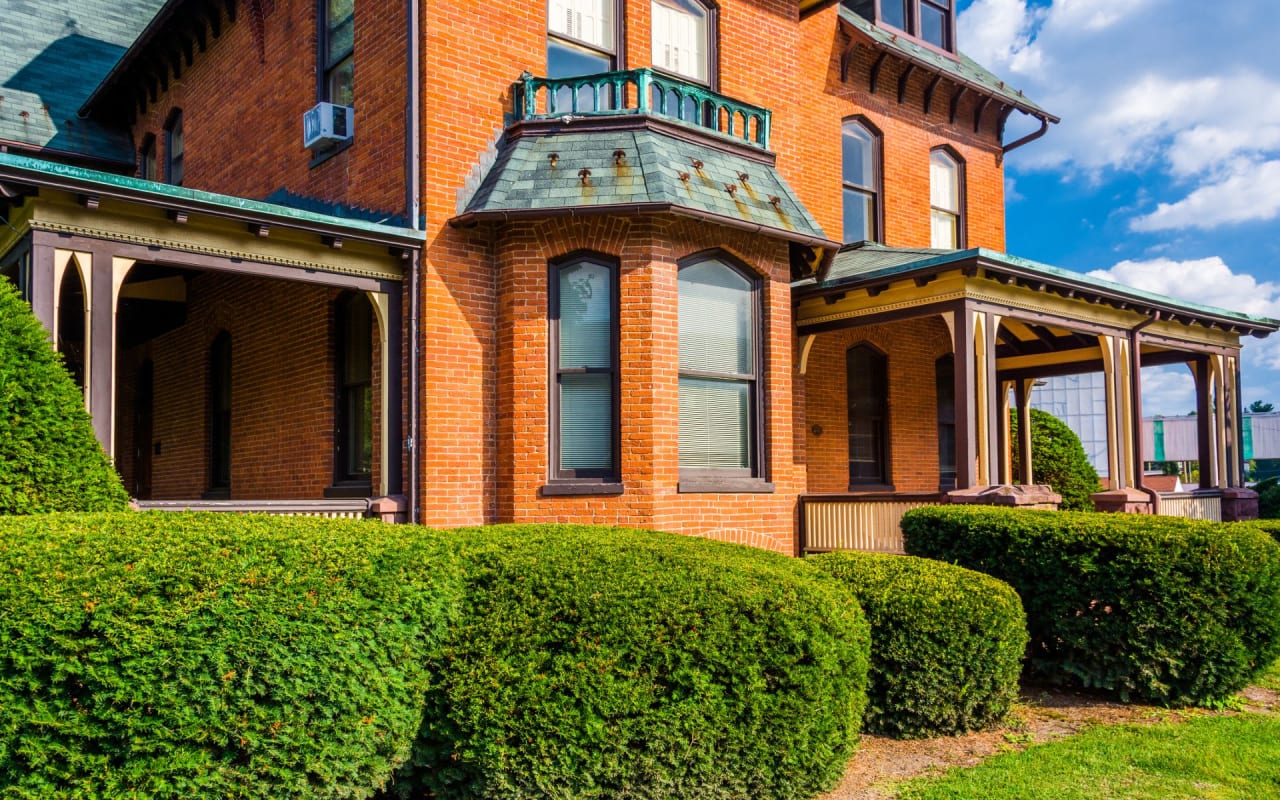
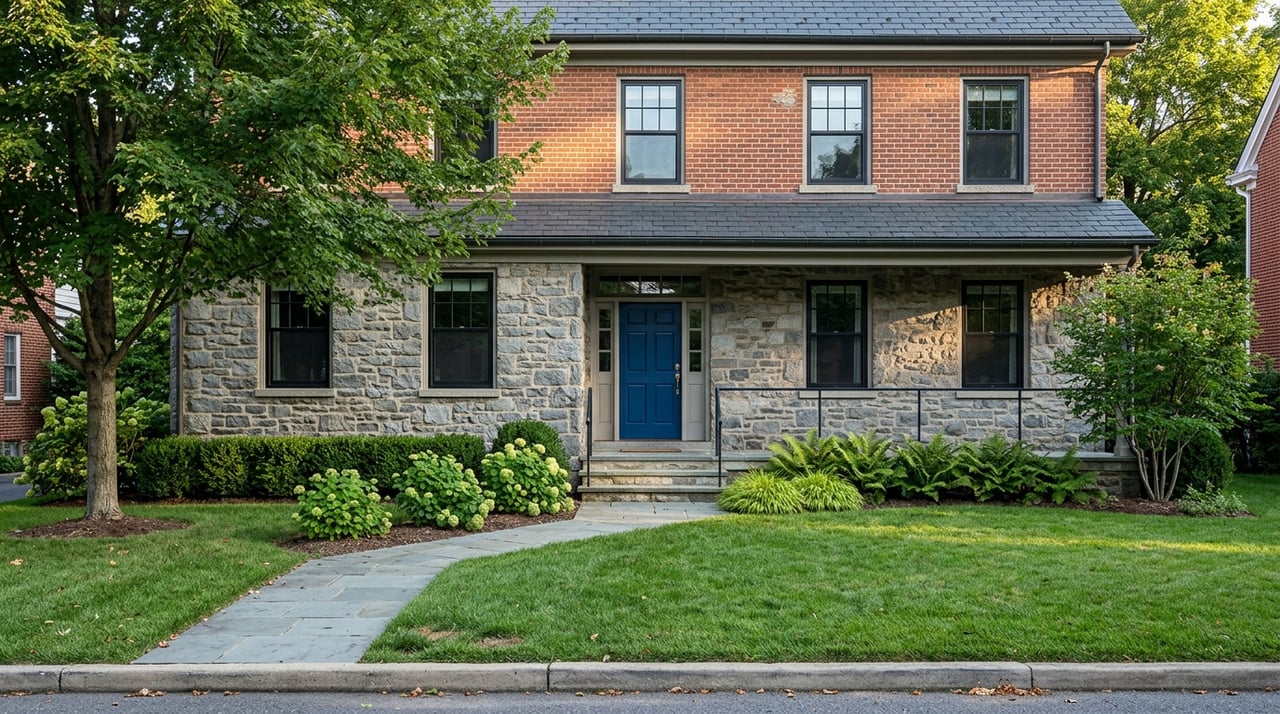
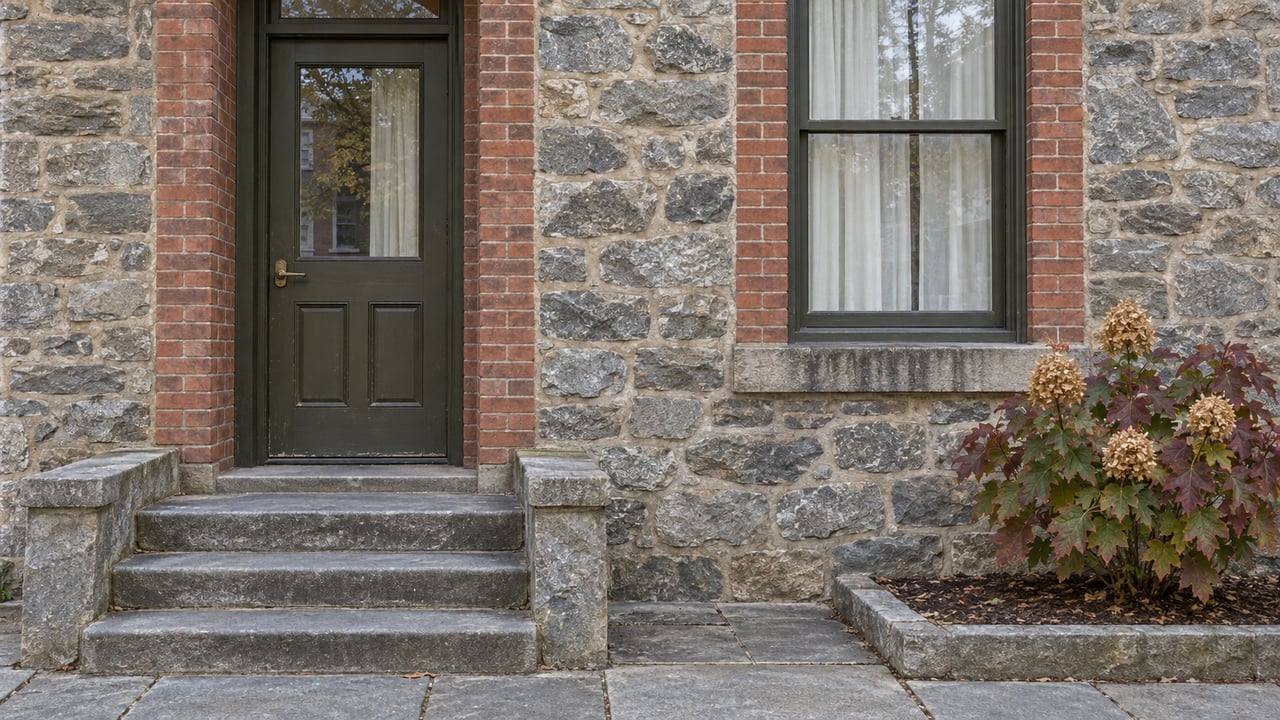
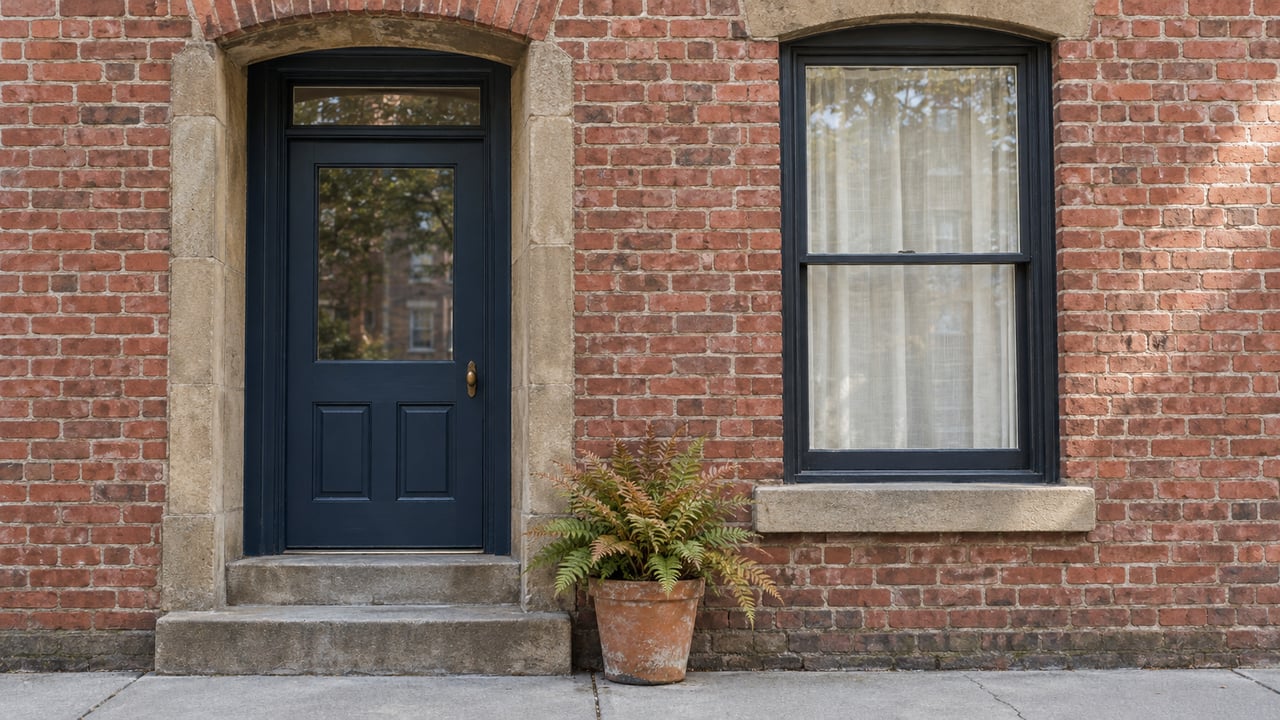
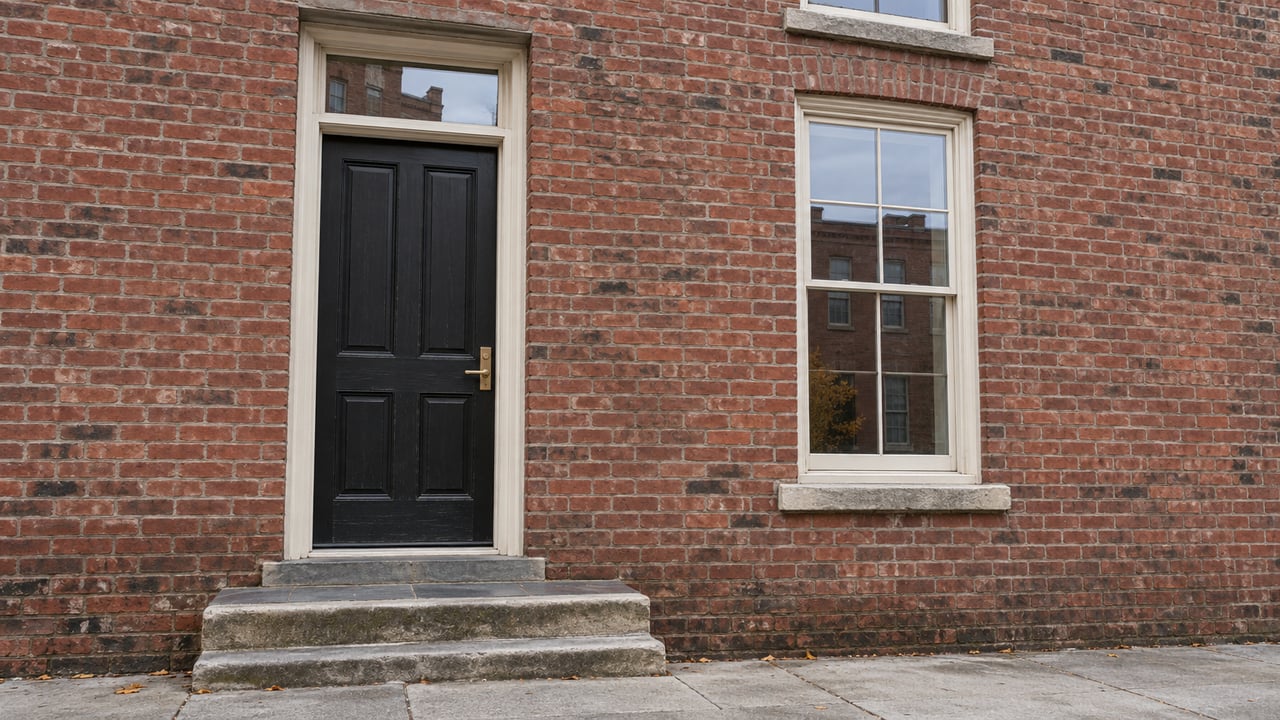
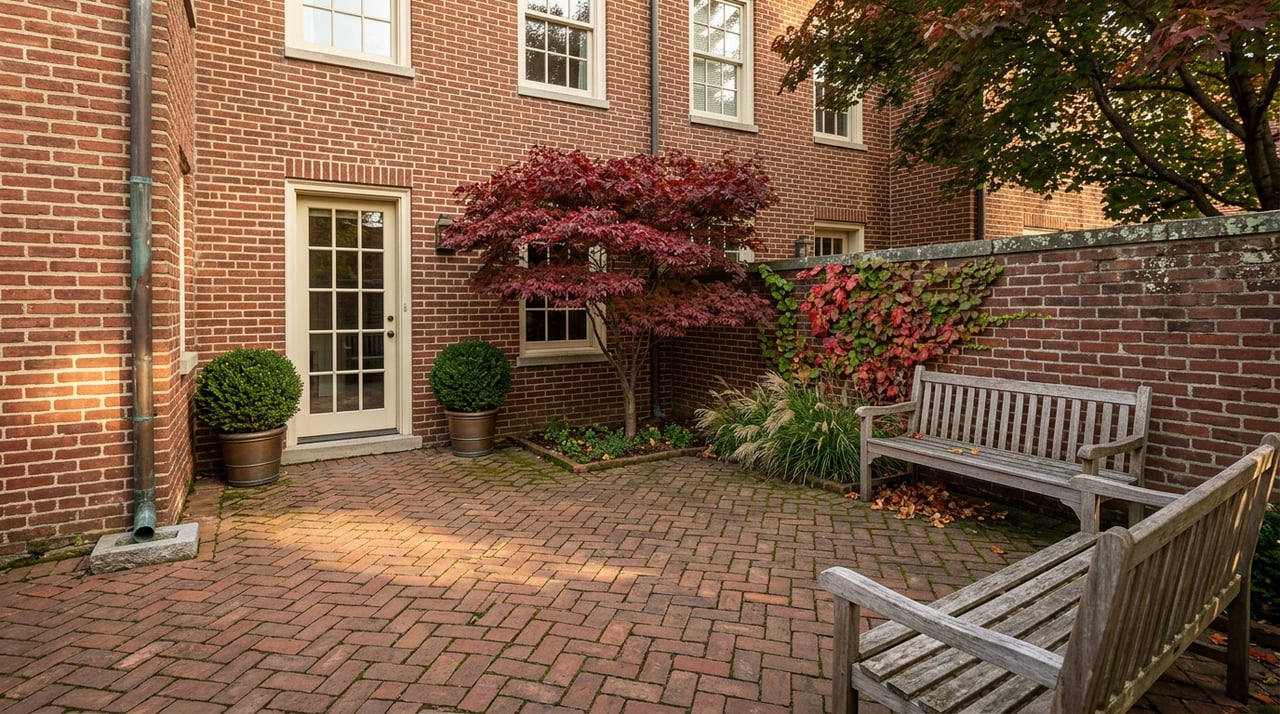
Housing style matters just as much as commute time. In East Falls, the neighborhood’s identity is still shaped heavily by older housing, especially attached homes and rowhouses. Historical Commission materials describe the area’s core as primarily a context of two- and three-story rowhouses, with notable Tudor Revival rowhouse forms in parts of the neighborhood.
If you are drawn to historic character, East Falls may feel like a strong fit. If you are expecting a condo-heavy landscape of newer buildings, the neighborhood may feel different from what you had in mind. This is one of those places where the housing stock helps define the lifestyle.
At the same time, East Falls is not frozen in place. A 2026 report in The Philadelphia Inquirer described a proposed 260-apartment project on Ridge Avenue, which signals that multifamily development continues to shape parts of the corridor. That gives the neighborhood a more layered housing story than the classic rowhouse image alone might suggest.
The 19129 ZIP code profile adds more context. It reports 6,344 housing units, 52% renter-occupied units, 58% single-unit structures, and a median value of $323,600 for owner-occupied homes. While ZIP-level data is only a rough neighborhood proxy, it supports the idea that East Falls offers a mix of ownership and rental options while still leaning toward single-unit housing.
A neighborhood works better for commuters when life after work feels easy too. East Falls has street fairs, community clean-up days, volunteer opportunities, and a robust community association, according to SEPTA’s neighborhood profile. Those details may sound small, but they help explain why the area feels active and connected rather than purely functional.
East Falls is also home to Laurel Hill Cemetery, the Legacy Youth Tennis and Education Center, and Thomas Jefferson University’s East Falls Campus, which SEPTA says is less than a mile from East Falls Station. That mix of institutions and neighborhood activity helps create a sense of place. For many buyers and relocators, that is a major part of what makes a commute-friendly neighborhood actually livable.
The commercial spine matters in a neighborhood like this. Philadelphia’s commerce department says the East Falls Development Corporation provides regular cleaning in shopping districts such as Ridge Avenue, Midvale Avenue, and River Road, with a focus on revitalizing Ridge-Midvale and Conrad Street. That kind of upkeep supports a more functional and pleasant everyday experience.
For you as a buyer or relocator, that means errands, coffee runs, and quick neighborhood stops are part of the value equation. A good commuter neighborhood is not just about getting out quickly in the morning. It is also about coming home to a place that feels maintained and usable.
East Falls also has a strong local rhythm outside the Monday-through-Friday routine. The East Falls Farmers’ Market operates every Saturday at 4100 Ridge Avenue under the Twin Bridges. That gives residents a recurring neighborhood anchor and one more reason daily life does not feel centered only on work.
The East Falls Community Council says its monthly newspaper reaches 6,000 homes, which points to an active civic network. If you are relocating, that kind of neighborhood engagement can make a new area feel easier to learn and easier to join. It suggests East Falls has a community life that extends beyond its transit assets.
East Falls tends to work well if you want several things at once instead of one extreme. It is a strong fit for commuters who want direct rail access to Center City, backup options like bus service, and bike or trail connectivity. It also suits buyers who value older housing character and want a neighborhood that feels more residential than hyper-dense.
You may find East Falls especially appealing if you are relocating to Philadelphia, buying your first home, or trying to balance commute convenience with a calmer home environment. The tradeoff is straightforward. You gain green space, neighborhood texture, and multiple commuting options, but you are not choosing a fully car-free downtown lifestyle.
East Falls can look simple on paper, but the details matter. Housing style, block feel, station access, and proximity to Ridge Avenue or trail connections can shape your day-to-day experience more than a map suggests. That is especially true in a neighborhood with both historic housing and evolving multifamily development.
If you are trying to decide whether East Falls matches your commute and lifestyle goals, it helps to talk through the tradeoffs with someone who knows Philadelphia block by block. That kind of clarity can save you time and help you focus on the homes that fit how you actually live. If East Falls is on your list, The Liz Clark Real Estate Team can help you weigh the neighborhood with a practical, no-pressure strategy.
Stay up to date on the latest real estate trends.

Home Appraisals Explained for Philadelphia Buyers, Sellers, and Luxury Homeowners.
A Guide to Chestnut Hill Architecture, From Stone Colonials to Modern Landmarks.
How Home Age and Market Value Shape Philadelphia Real Estate Prices.

A Clear Guide to the Home Appraisal Process for Philadelphia Buyers and Sellers.

If you’re thinking about selling your home, obsessively scrolling for a house, planning a relocation to the area, or just feel unsure where to start, we can help. Reach out for a zero-pressure 30-minute phone or video meeting to get started. We are here to listen, support, and educate so you can feel confident with your decisions in our swiftly moving market