By The Liz Clark Team
Does an older home mean a lower price, or a higher one? We hear this question from buyers and sellers across Chestnut Hill, Mt. Airy, and Fishtown, and the answer is rarely what you expect. In Philadelphia, the link between home age and market value depends on far more than a year built, so let us show you how to read it.
Key Takeaways
- Age alone never sets value; condition, character, and location matter more.
- Historic charm can earn a premium, while deferred maintenance can erase it.
- Updated systems often move the number more than a new coat of paint.
Why Age Is Only Part of the Story
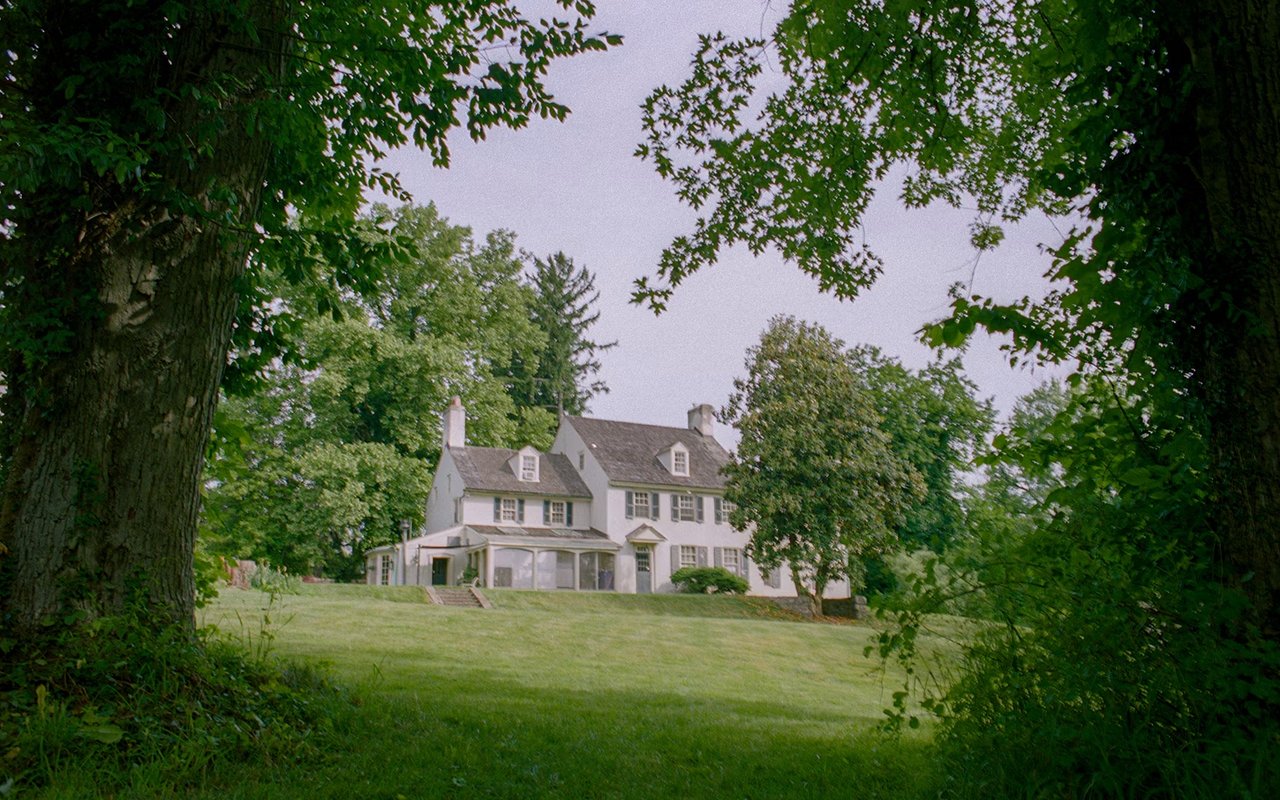
A home's year built tells you what era it came from, not how it has been cared for. A 1920s stone twin in Chestnut Hill with a new roof and updated mechanicals can outperform a newer home that has been ignored.
Buyers and appraisers look at the full picture. Age is one input among many.
What Matters Beyond the Year Built
- Condition of the roof, foundation, and exterior stone or brick
- Age of the heating, cooling, plumbing, and electrical systems
- Quality of past renovations and whether permits were pulled
- Layout and how well it fits modern daily life
- Location, including walkability to Germantown Avenue shops and Wissahickon Valley Park
The Premium on Philadelphia Character
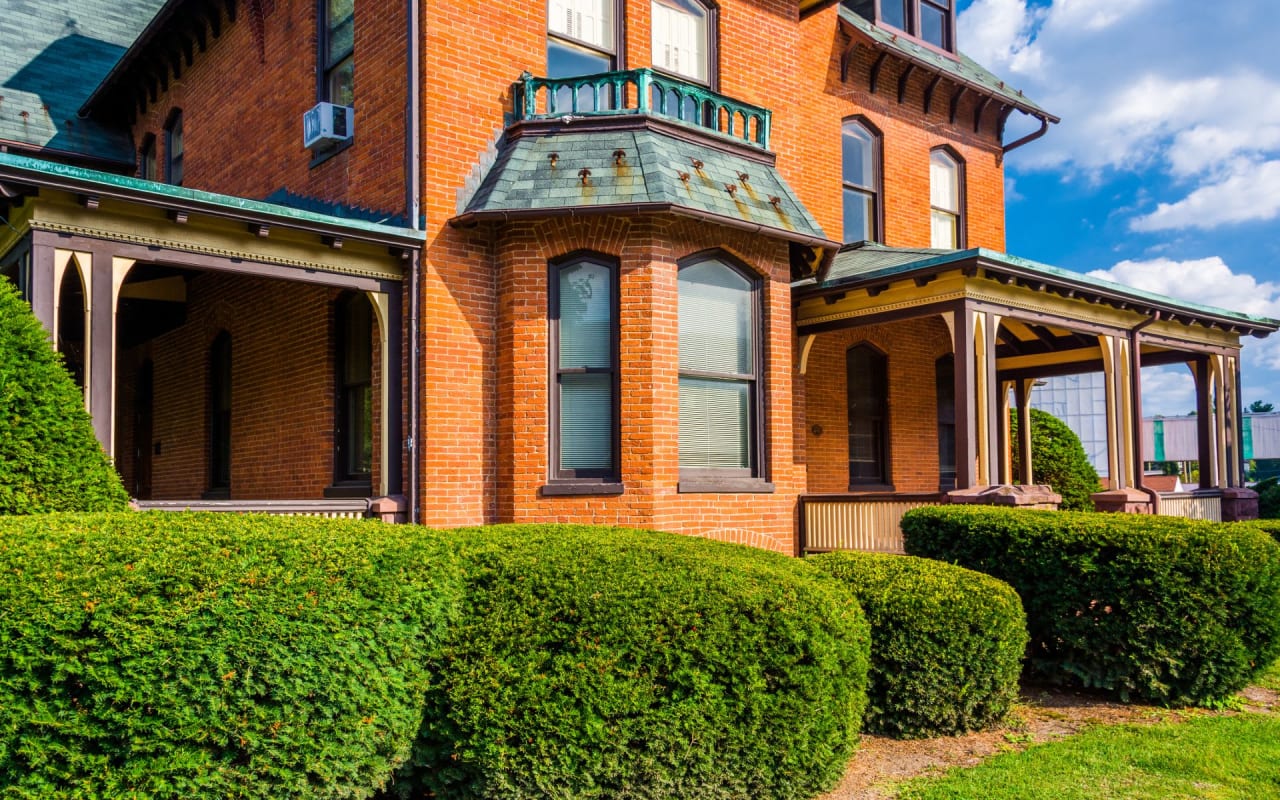
Philadelphia has a deep supply of architecture that buyers actively seek. Victorian twins in Mt. Airy, brownstone-style rowhouses in Queen Village, and detailed period homes in East Falls carry craftsmanship that is hard to rebuild today.
When original details are preserved, they can set a home apart from similar listings nearby.
Features That Earn a Premium
- Original woodwork, plaster moldings, and hardwood floors
- Stained glass, fireplaces, and built-in cabinetry
- Wide front porches and deep lots in Northwest Philadelphia
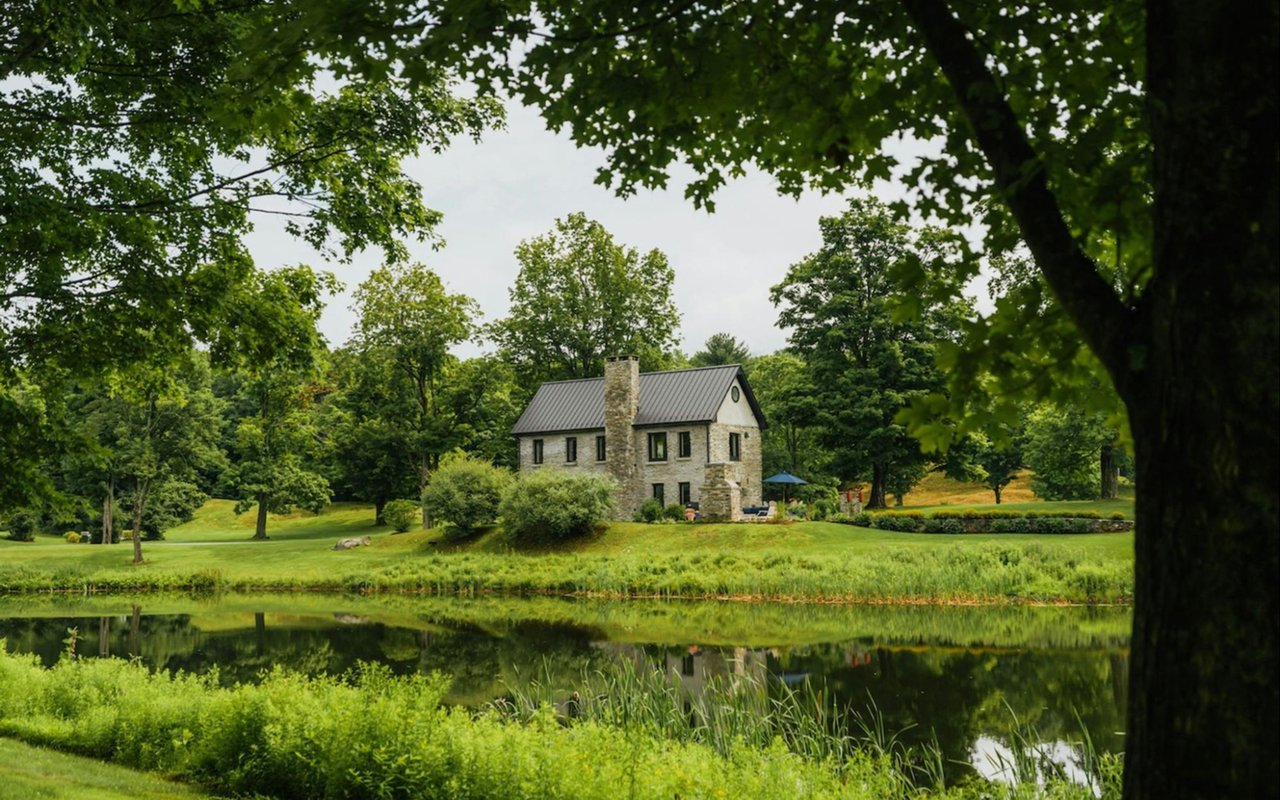
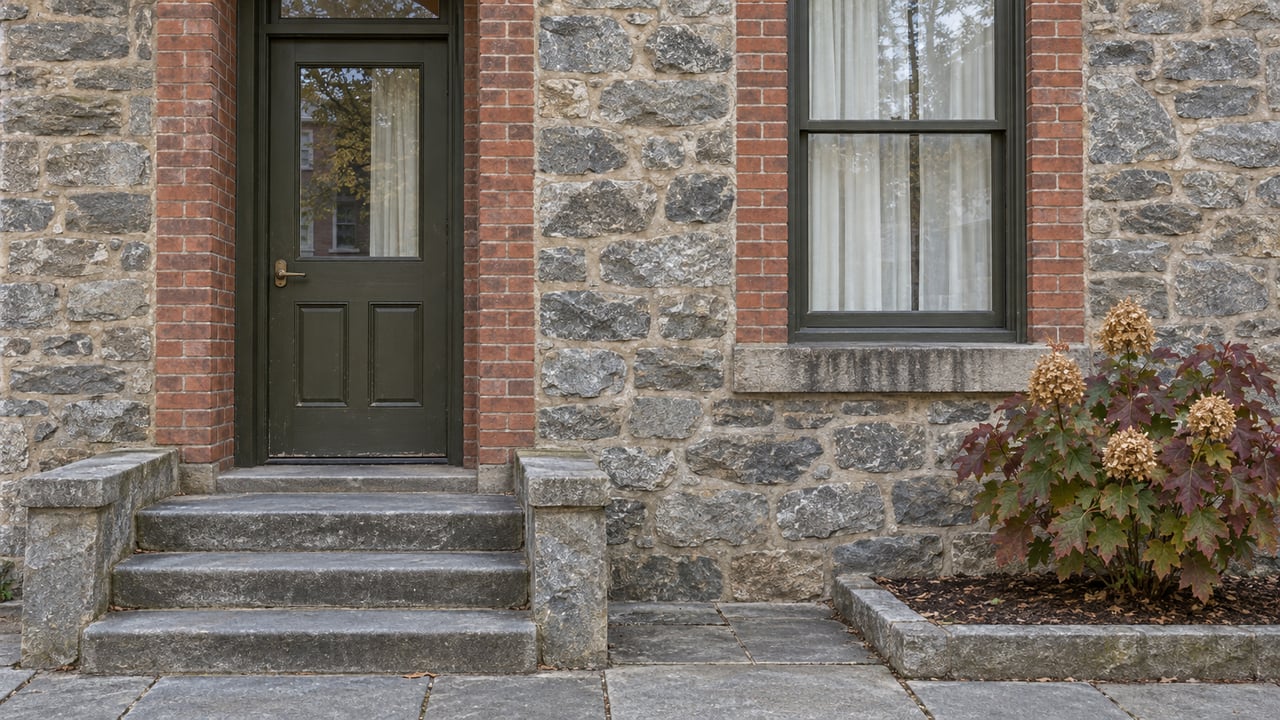
- Stone facades with solid, well-kept masonry
- Period details paired with a modern kitchen and bath
Where Older Homes Lose Ground
Charm cannot cover every flaw. Outdated wiring, aging boilers, and water in the basement can slow a sale and soften offers, especially in a market where buyers compare many options.
Some insurers and lenders also look closely at older systems. That can narrow your buyer pool if issues go unaddressed.
Common Value Drains to Watch
- Knob-and-tube or very old electrical wiring
- Original galvanized or lead plumbing
- Aging roofs and failing chimneys
- Moisture in basements, common in older Philadelphia rowhouses
- Dated layouts with small, closed-off kitchens
How Newer Construction Compares
Newer homes in Northern Liberties, Point Breeze, and parts of Fishtown offer open floor plans, modern systems, and lower near-term maintenance. Many buyers pay for that convenience.
Philadelphia also has programs tied to new construction and qualifying improvements, so ask about tax abatement eligibility when you compare carrying costs.
What Buyers Like About Newer Builds
- Open layouts with larger kitchens and primary suites
- Modern HVAC, insulation, and electrical service
- Rooftop decks and attached parking in select neighborhoods
- Fewer immediate repair worries
- Potential tax benefits worth verifying for each property
Smart Updates That Raise Value
You do not need to gut an older home to improve its market position. The top returns often come from systems and visible basics that buyers notice on day one.
We make sure sellers prioritize work that lifts value without erasing the features buyers love.
Upgrades Worth Considering
- Replacing or certifying the roof and mechanical systems
- Refreshing the kitchen and bathrooms with timeless finishes
- Refinishing original hardwood floors
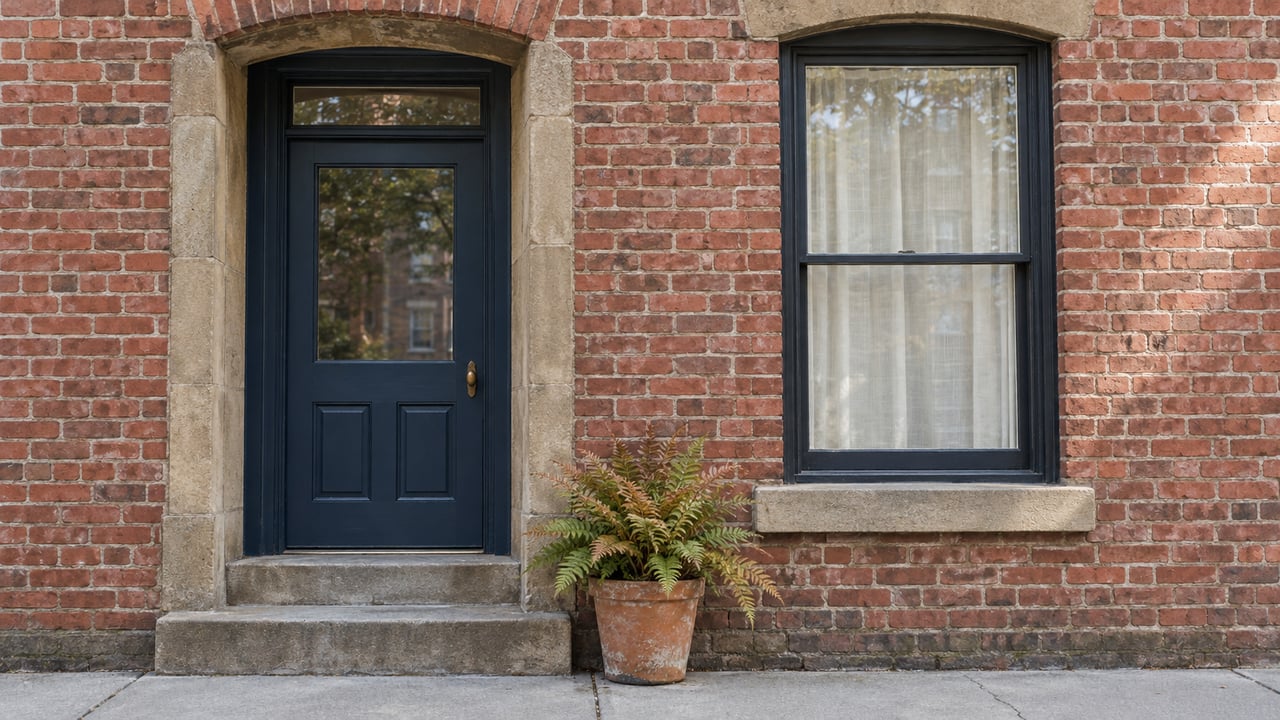
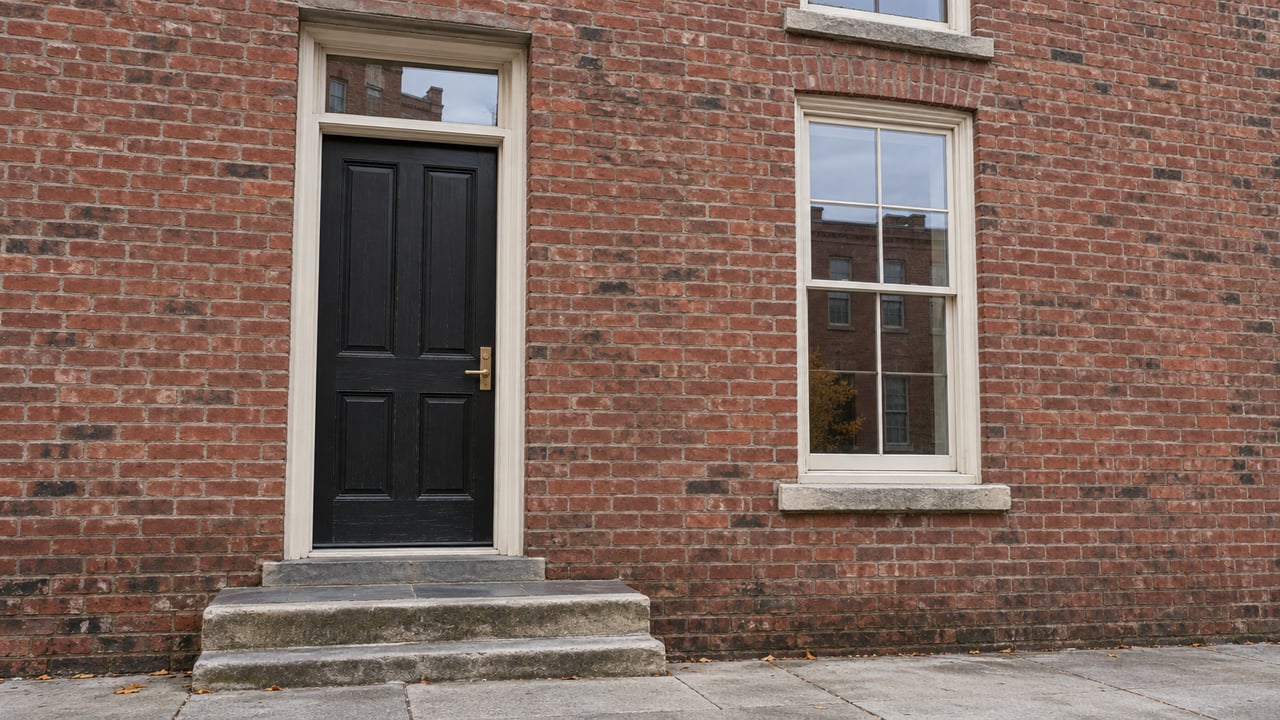
- Improving curb appeal with paint, landscaping, and a restored front door
- Addressing basement moisture and documenting the fix
Timing and Presentation Across Seasons
Fall is a strong time to showcase an older home. Crisp weather, golden light along the Wissahickon, and cozy interiors help period details shine in photos and showings.
Winter shows off heating performance, so make sure systems are serviced before you list.
Seasonal Tips for Older Homes
- Service the boiler or furnace before the first cold snap
- Clean gutters and check the roof after autumn leaf fall
- Highlight fireplaces and woodwork with warm, simple staging
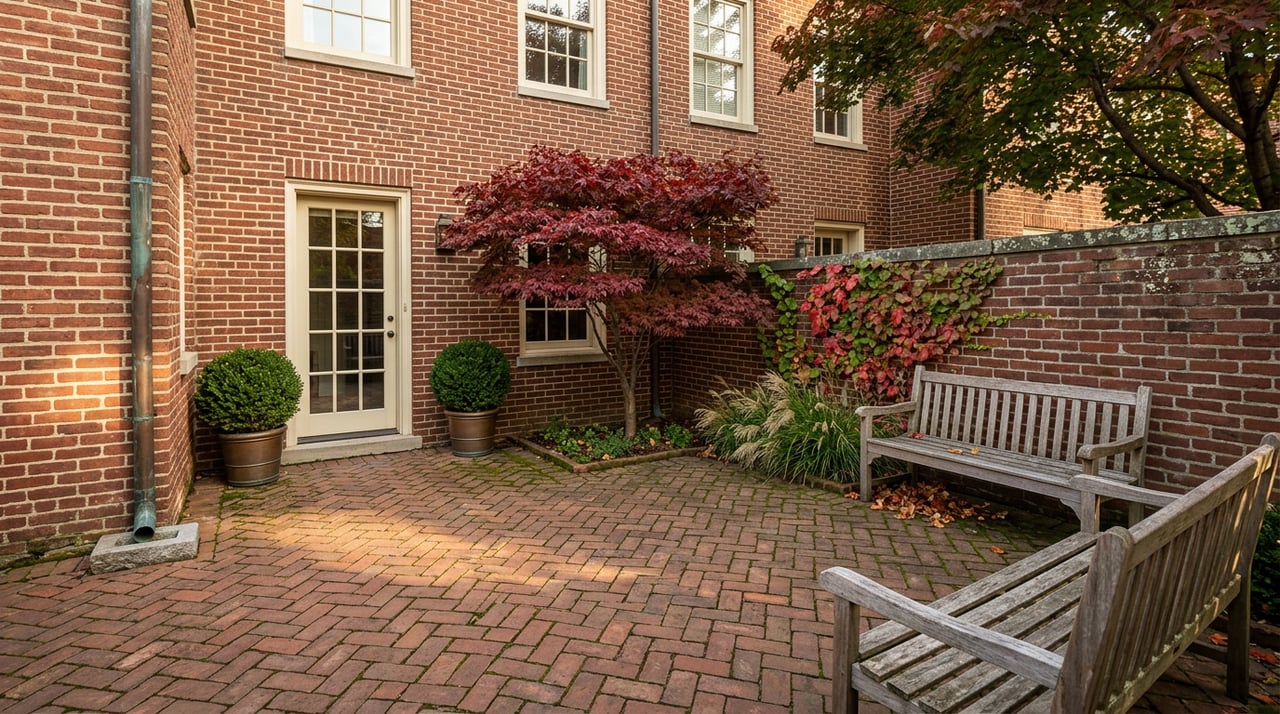
- Photograph porches and gardens in daylight for top curb appeal
- Keep inspection and repair records ready for buyers
How We Price Homes of Every Age
At The Liz Clark Team, we use hyperlocal comparables rather than citywide averages. A Germantown Avenue Victorian and a Fishtown new build sit in different markets, even when the price per square foot looks similar.
We pair that data with a clear story of upgrades, permits, and original features so buyers see value in context.
Our Pricing Approach
- Recent sales of similar homes within the same pocket
- A written list of upgrades with approximate dates
- Honest guidance on what to fix before listing and what to leave
- Strategy for presenting character and modern function together
FAQs
Is an older home a bad investment in Philadelphia?
Not at all. Well-maintained older homes in neighborhoods like Chestnut Hill and Mt. Airy often hold strong value because their character is hard to replace.
Should I renovate before selling an older home?
It depends on what buyers in your pocket expect. We review comparables with you and recommend only the updates that make sense for your price point.
Does a newer home always appraise higher?
No. Appraisers weigh condition, location, and recent comparable sales, so a cared-for older home can match or beat a newer one nearby.
Contact Us Today
If you are wondering how your home's age affects what it can sell for, reach out to The Liz Clark Team and we will give you a clear, local answer. From Chestnut Hill to Queen Village, we know how to present each home at its best.
Call or message The Liz Clark Team, and let us build a pricing plan that fits your property and your goals. We are ready to help you move forward with confidence.