By The Liz Clark Team
Walk down Germantown Avenue on a fall afternoon and you will see why so many buyers fall for Chestnut Hill before they ever step inside a house. Stone walls, steep rooflines, and tree-lined streets tell a story that spans more than two centuries. We love helping you read that story, so let us break down the styles you will find in Chestnut Hill, PA.
Key Takeaways
- Wissahickon schist stone ties many Chestnut Hill homes together.
- You will find Colonial, Victorian, Tudor, and modern designs within a few blocks.
- Style affects maintenance, renovation options, and long-term value.
Why Chestnut Hill Architecture Stands Out
Chestnut Hill is a National Historic Landmark District, and that recognition reflects how well its building stock has survived. Much of the neighborhood took shape in the late 1800s, when railroad access and thoughtful planning drew families to the area.
The result is a community where architecture feels cohesive without feeling uniform.
What Defines the Look
- Local Wissahickon schist used for walls, porches, and foundations
- Slate roofs and copper details on many period homes
- Mature trees and deep lots that frame each facade
- Walkable access to Germantown Avenue shops and restaurants
- Close proximity to Wissahickon Valley Park and Morris Arboretum
Stone Homes Built From Local Schist
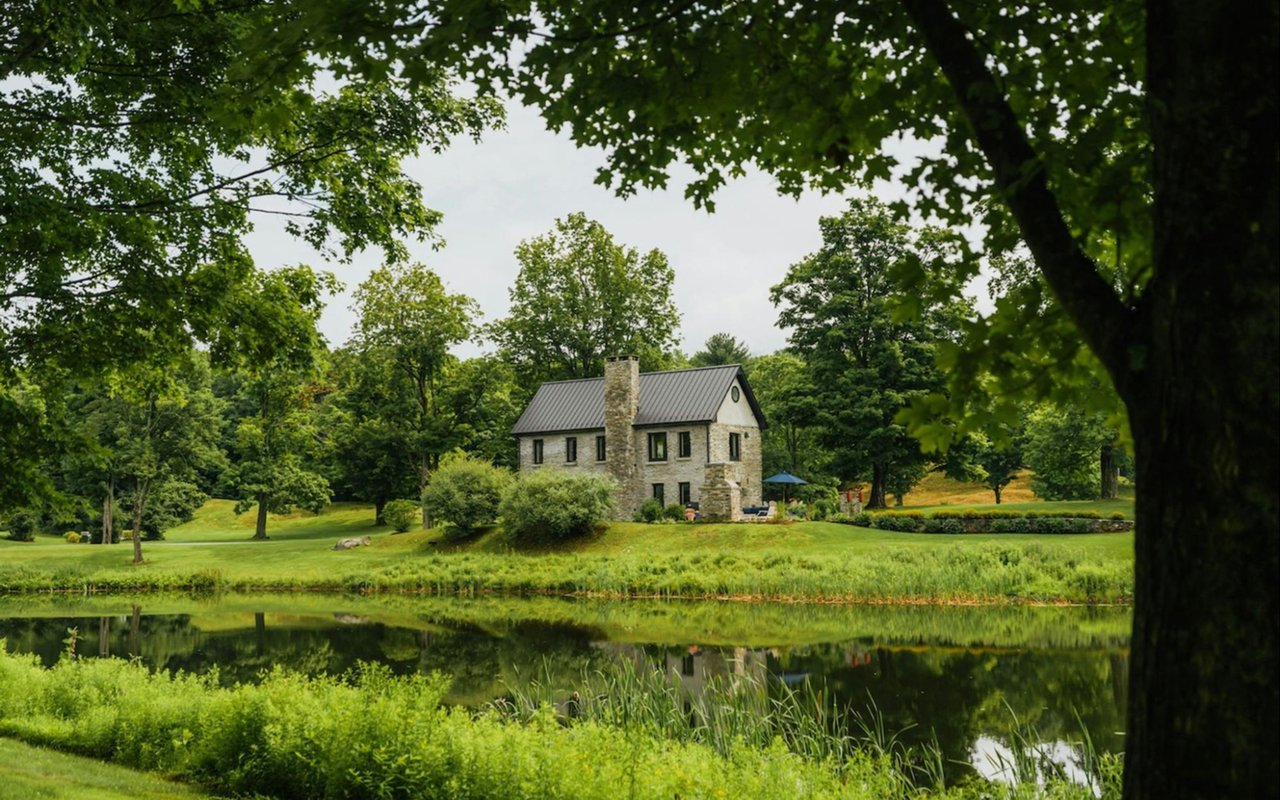
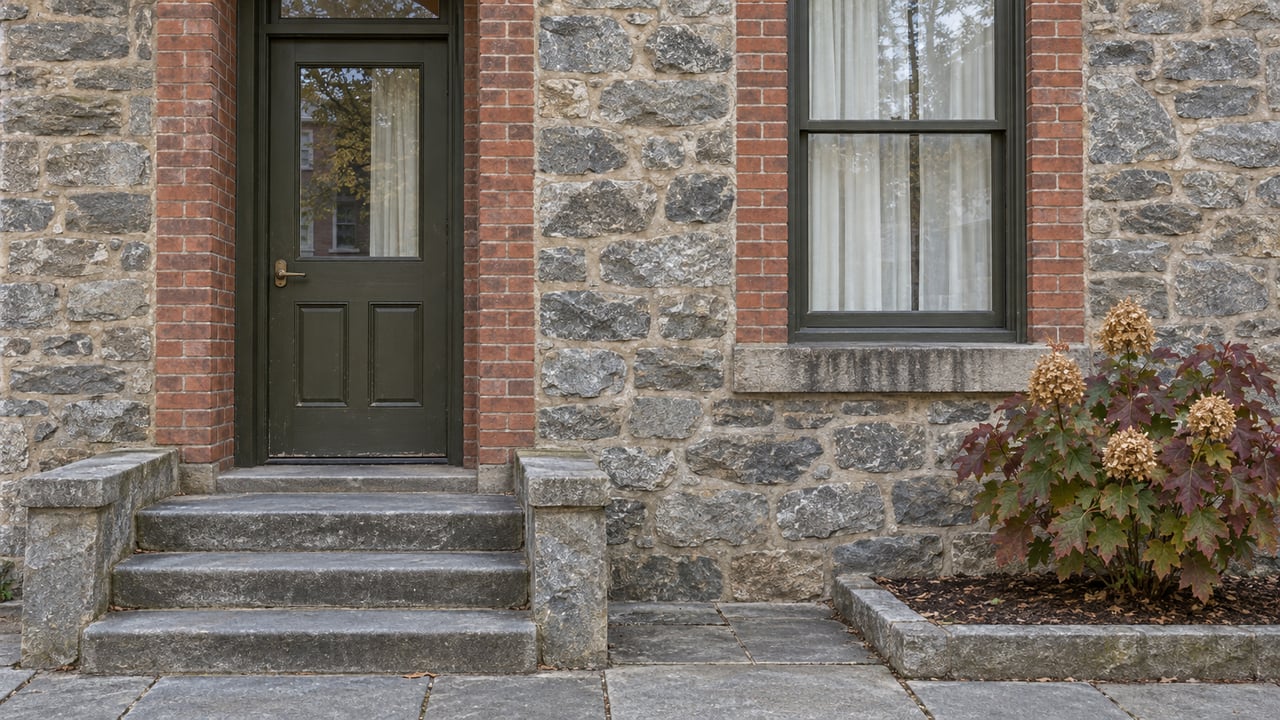
If one material defines Chestnut Hill, it is stone. Wissahickon schist has a soft, silvery tone that catches the light and ages beautifully, which is why you see it on everything from estates to modest cottages. Stone homes tend to feel solid and quiet, with thick walls that give rooms a settled character.
Why Buyers Love Stone
- Durable construction that can last for generations
- Natural color variation that looks timeless
- Strong curb appeal along tree-lined streets
- A sense of privacy and permanence
- Fireplaces, window seats, and deep sills inside
Colonial and Colonial Revival Homes
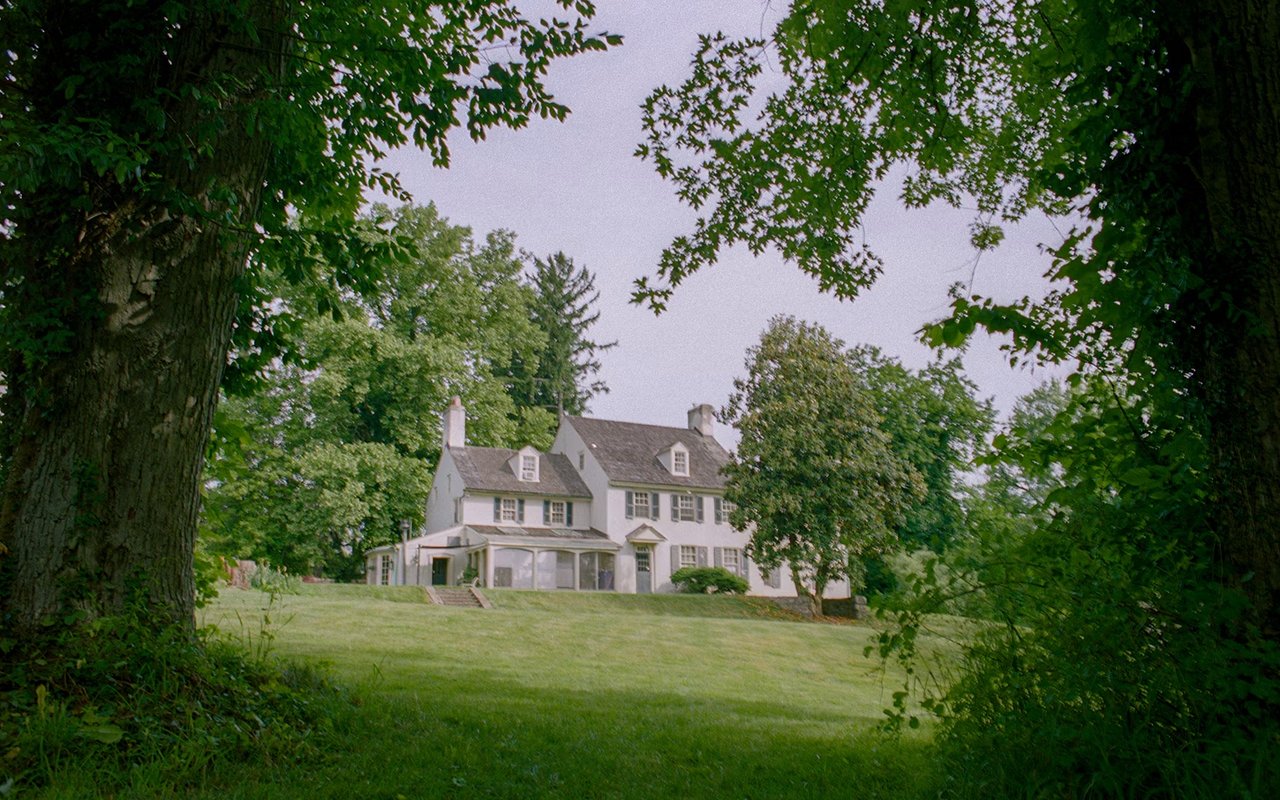
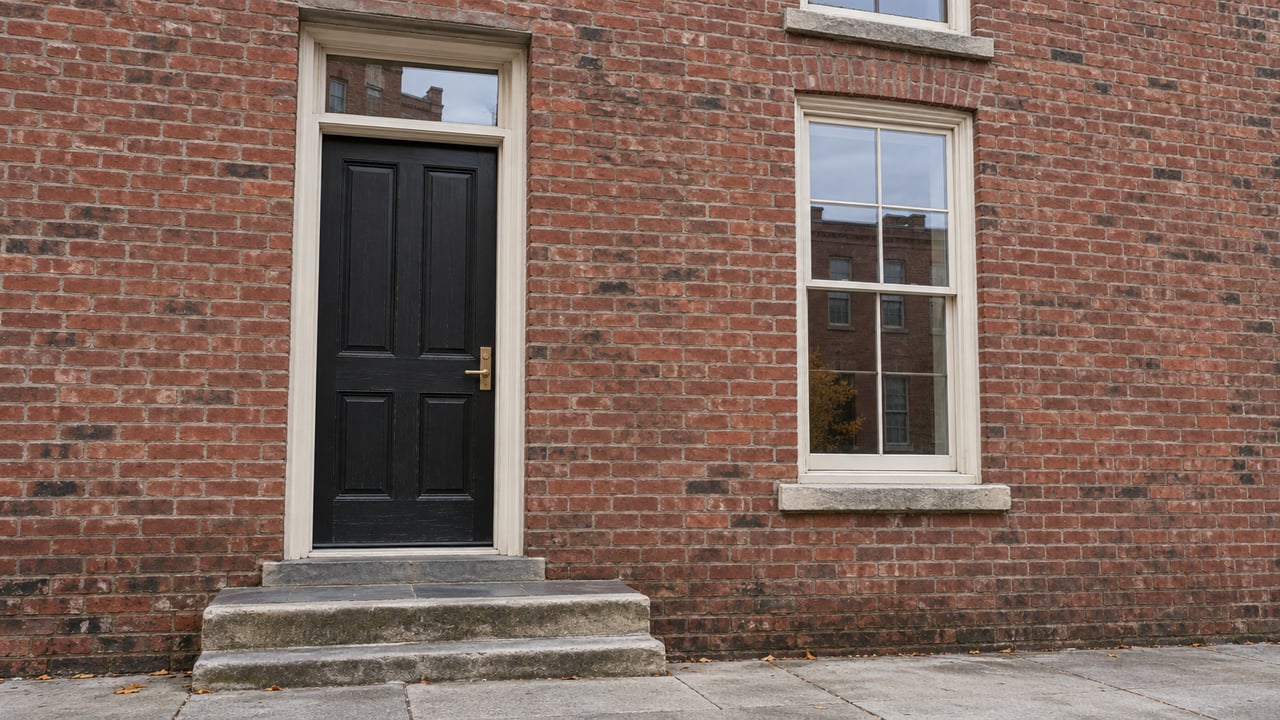
Georgian-influenced Colonials and later Colonial Revivals appear throughout the neighborhood. Their symmetrical facades, center entrances, and classic window patterns feel orderly and welcoming. Many of these homes have formal living rooms and wide staircases that suit both entertaining and everyday life.
Hallmarks to Look For
- Symmetrical front elevations with evenly spaced windows
- Paneled front doors with decorative surrounds
- Brick or stone exteriors with shutters
- Center-hall floor plans
- Gabled or hipped roofs with returns at the eaves
Victorian Charm on Every Corner
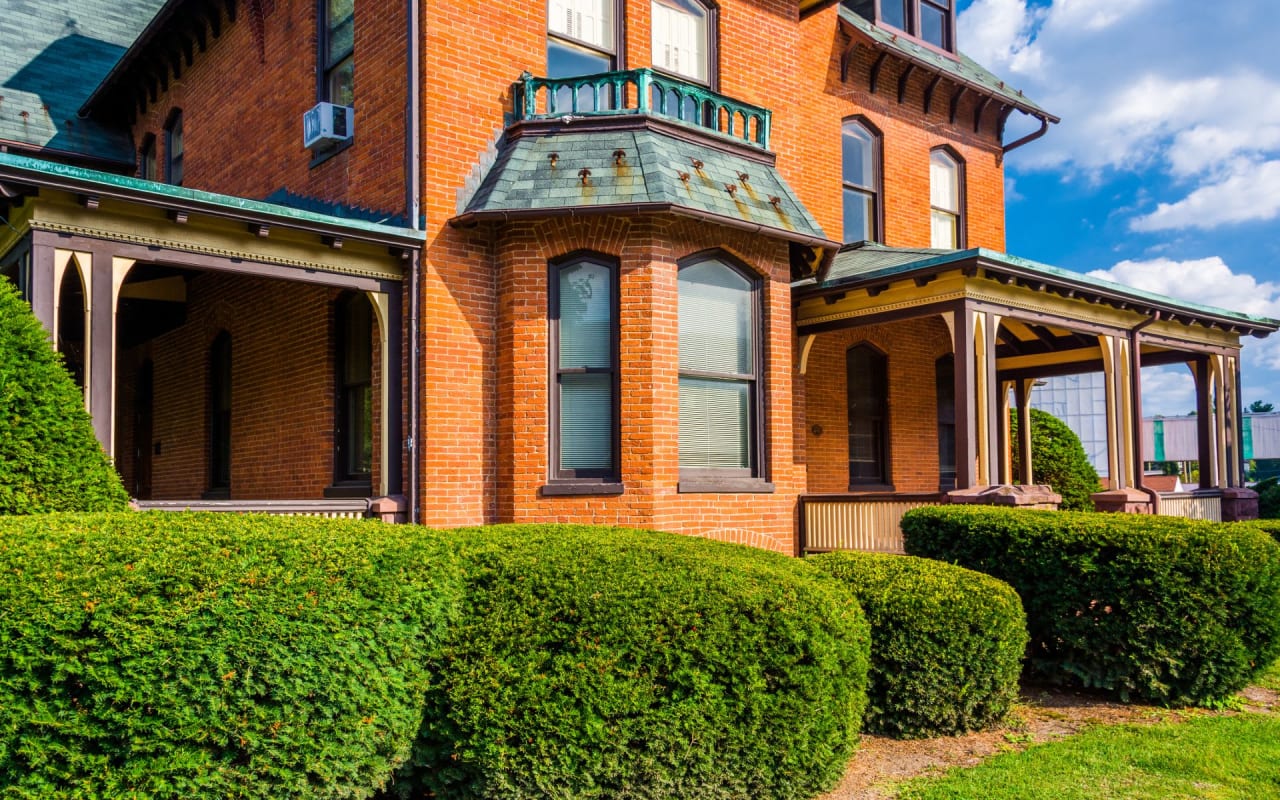
Victorian homes arrived as Chestnut Hill grew, bringing more expressive design. You will spot Queen Anne and Gothic Revival influences with porches, towers, and ornate trim that add personality. These houses often feature generous rooms and detailed millwork that buyers rarely find in newer construction.
Victorian Features That Stand Out
- Wraparound porches ideal for morning coffee
- Turrets, bay windows, and steep gables
- Decorative brackets, spindles, and stained glass
- High ceilings with tall windows
- Original staircases with carved newel posts
Tudor Revival and Norman-Inspired Cottages
Early twentieth-century builders also embraced storybook styles. Tudor Revival homes in Chestnut Hill use stone, stucco, and half-timbering to create a European feel, while Norman-inspired cottages add rounded towers and steep roofs. They feel cozy and distinctive, and they often sit among gardens that make the setting even more memorable.
What Makes These Homes Special
- Half-timbering, stucco panels, and decorative chimneys
- Steeply pitched roofs with multiple gables
- Leaded or diamond-pane windows
- Arched doorways and stone entry details
- Cozy interiors with exposed beams and fireplaces
Mid-Century and Modern Landmarks
Chestnut Hill is not frozen in the past. The neighborhood is also home to the Vanna Venturi House, a famous 1960s design by architect Robert Venturi that helped shape modern architecture conversations worldwide.
Mid-century and contemporary homes bring clean lines, large windows, and open layouts to a community known for tradition.
Modern Elements to Notice
- Open floor plans with abundant natural light
- Flat or low-pitched rooflines
- Large windows that connect rooms to gardens
- Simple materials like wood, glass, and stone
- Updated kitchens and baths that fit modern routines
What Style Means for Buyers and Sellers
Architectural style shapes everything from heating costs to renovation plans. Older stone and Victorian homes may need system updates, while newer builds may offer easier maintenance.
Because Chestnut Hill is a historic district, make sure you understand what exterior review may apply before you plan changes.
Questions to Ask Before You Buy or Sell
- What updates have been made to the roof, mechanicals, and windows?
- Are permits on file for additions or renovations?
- What exterior changes may require approval?
- How does the home compare to similar styles nearby?
- Which original details should be preserved to protect value?
FAQs
What is the most common architectural style in Chestnut Hill?
You will see a mix, but stone homes built with Wissahickon schist appear throughout the neighborhood. Colonial Revival, Victorian, and Tudor designs are also top styles.
Are older Chestnut Hill homes expensive to maintain?
They can need more attention than newer homes, especially roofs, windows, and older systems. We help you plan for those costs before you make an offer.
Can I renovate a historic home in Chestnut Hill?
Often yes, though exterior changes may involve review. We point you to the right resources so your plans stay on track.
Contact Us Today
If you are drawn to the character of Chestnut Hill, reach out to The Liz Clark Team and we will help you find a home that fits your style and your plans. We know these streets, these builders, and these details well.
Call or message The Liz Clark Team, and let us show you what makes each Chestnut Hill home worth a closer look. We would love to help you find your place here.