How To Prepare A Historic Queen Village Home To Sell
Selling a historic home in Queen Village is not the same as selling a generic rowhouse with a fresh coat of paint. Buyers in this neighborhood often notice the details that make an older home feel real: brickwork, stoops, original proportions, old windows, and the lived-in character that newer finishes cannot fake. If you want to prepare your home wisely, the goal is not to strip out its identity. It is to present that identity clearly, fix what could raise concerns, and make the process feel manageable. Let’s dive in.
Before you schedule repairs or call a contractor, confirm whether your exact property is historically designated. In Philadelphia, the local historic register is separate from the National Register, so you want to verify the official OPA address and check the Philadelphia Historical Commission’s register for your specific home.
This step matters because some exterior changes on designated properties require Historical Commission review. That can include windows, doors, roofing, masonry work, porches, fences, and other exterior alterations. By contrast, ordinary maintenance like scraping and painting wood trim, cleaning gutters, and replacing clear window glass generally does not require review.
If your home is designated, do not panic. The Historical Commission says its role is to manage change, not prevent it. It also notes that older, nonhistoric alterations that existed before designation are grandfathered.
Queen Village is one of Philadelphia’s oldest residential neighborhoods, with roots in early Southwark and a later restoration wave that reshaped many older rowhouses. In practical terms, that means buyers are often drawn to homes that still look and feel connected to the neighborhood’s history.
That does not mean your house needs to look frozen in time. The better strategy is usually selective improvement. Keep the features that give the home its identity, and replace only what truly needs replacement.
The preservation standards in the research support that approach. Distinctive materials, features, finishes, and craftsmanship should be preserved when possible. When replacement is necessary, the new material should match the old in composition, design, color, and texture.
If you are getting ready to list, start with the items that affect buyer confidence and inspection results. In a Queen Village rowhome, that often means the visible exterior and the systems tied to water intrusion, deterioration, or deferred maintenance.
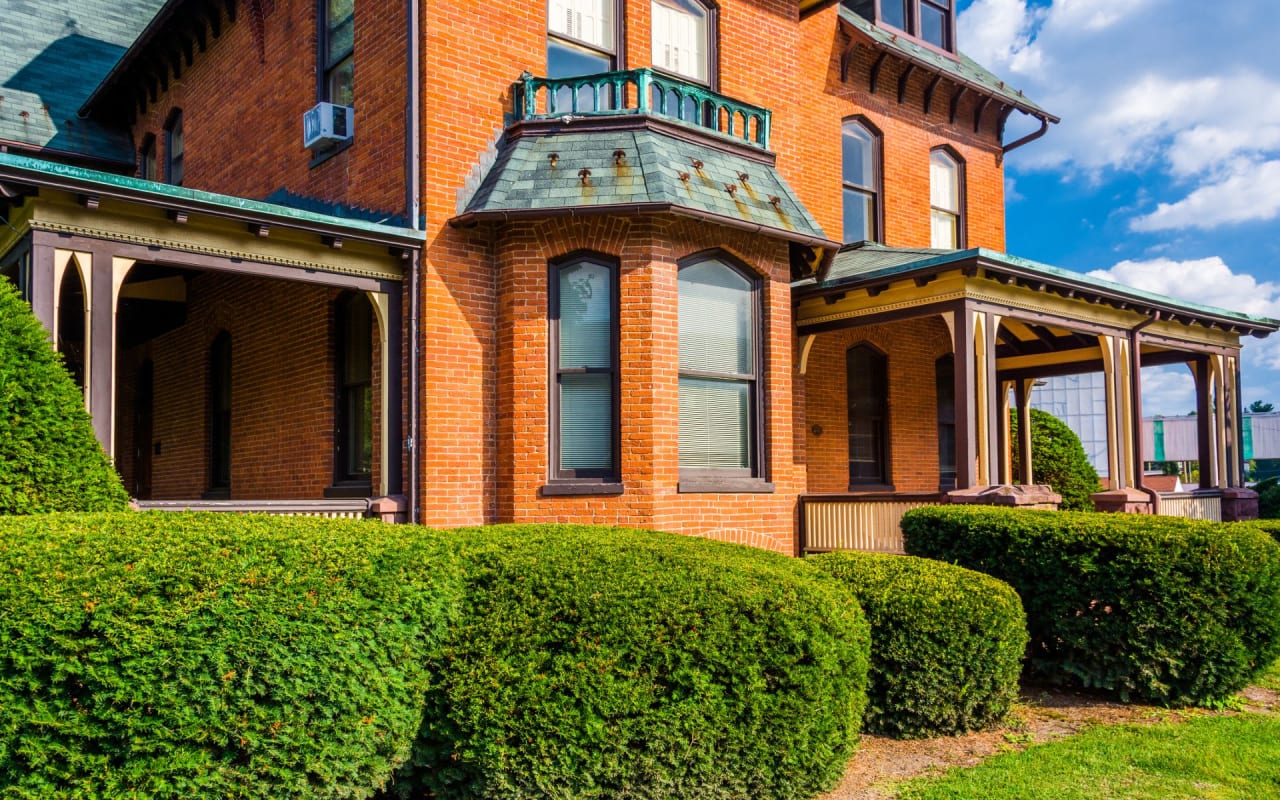
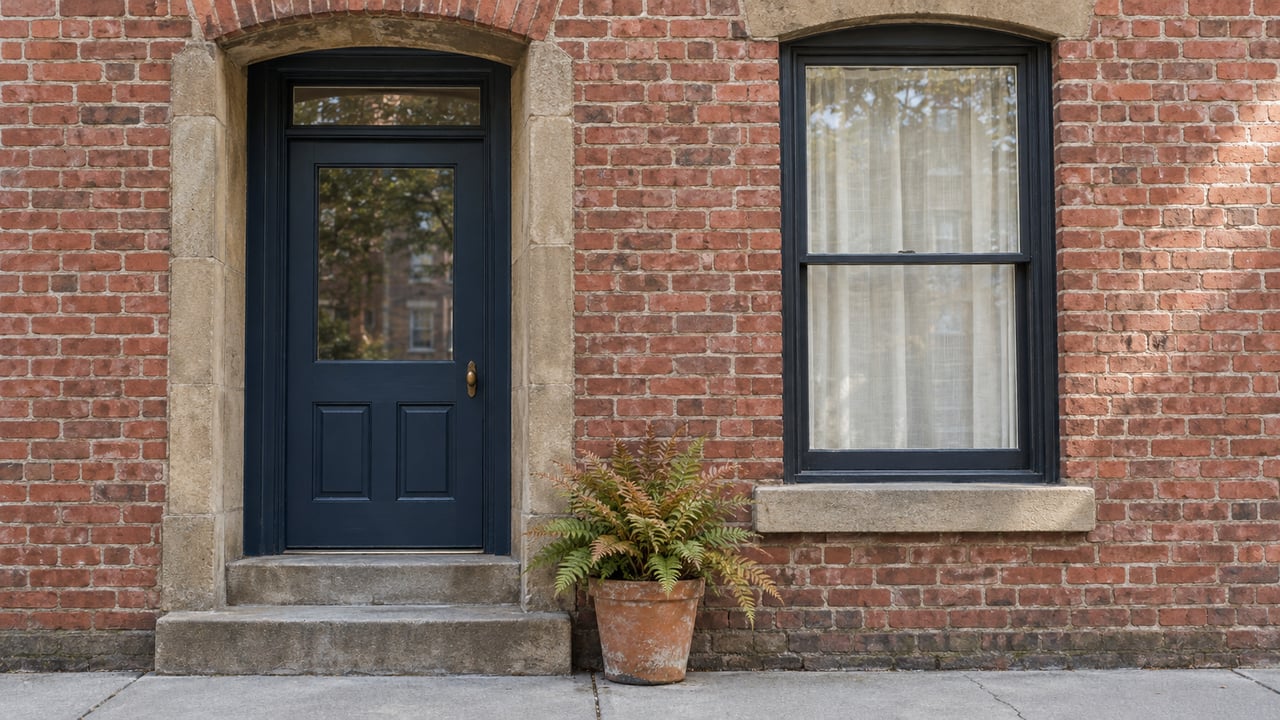
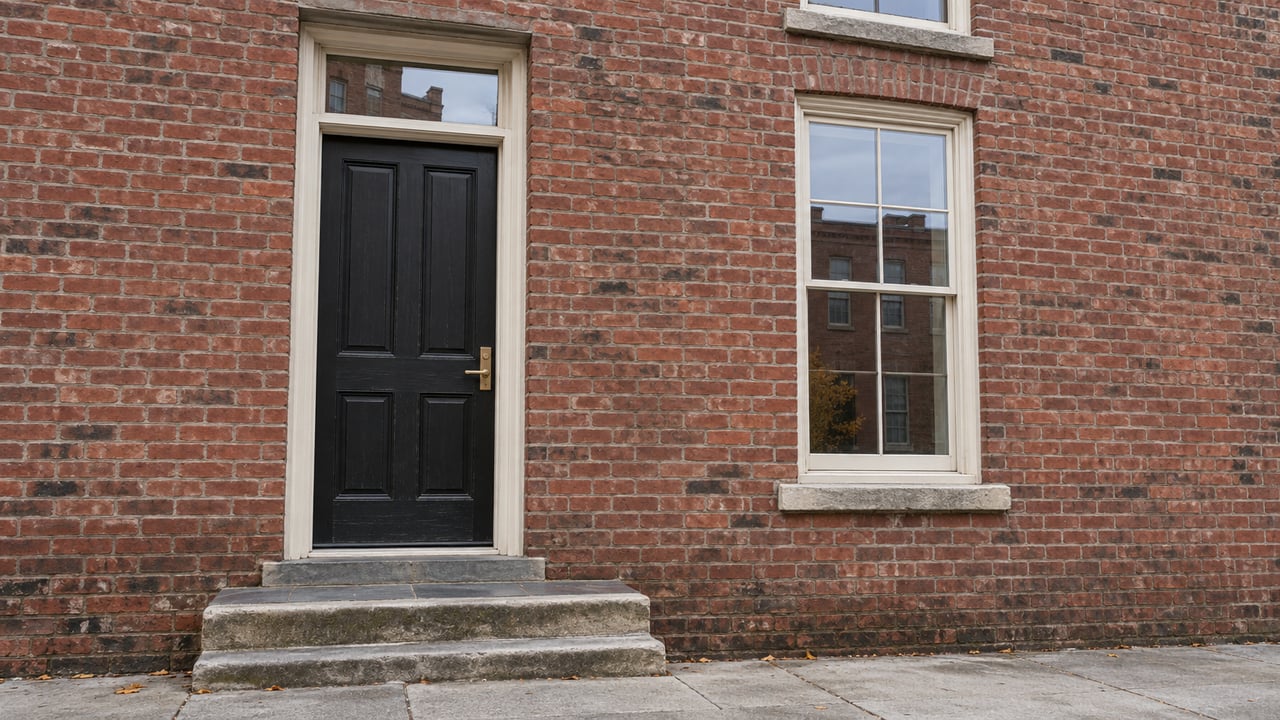
Older brick can be one of your home’s biggest selling points, but only if it reads as cared for. Check for cracked brick, failing mortar, or past patching that looks mismatched or overly hard.
If repointing is needed, match the historic mortar rather than using a harder modern mix. Preservation guidance warns that hard, high-Portland-cement repointing can damage older brick. In other words, the wrong repair can create a bigger problem than doing nothing at all.
Buyers may fall in love with a façade, but they still worry about leaks. If your roof or flashing has known issues, address them early. A historic home can absolutely be charming and practical, but unresolved water problems tend to undercut confidence fast.
Original windows often matter in older Philadelphia homes. Preservation guidance says repair should be considered first, and sample repair is often the best way to judge whether restoration is feasible.
That makes a big difference in Queen Village, where buyers may value original sash and frames. If your windows still have life left, repair can support both presentation and authenticity better than a rushed replacement.
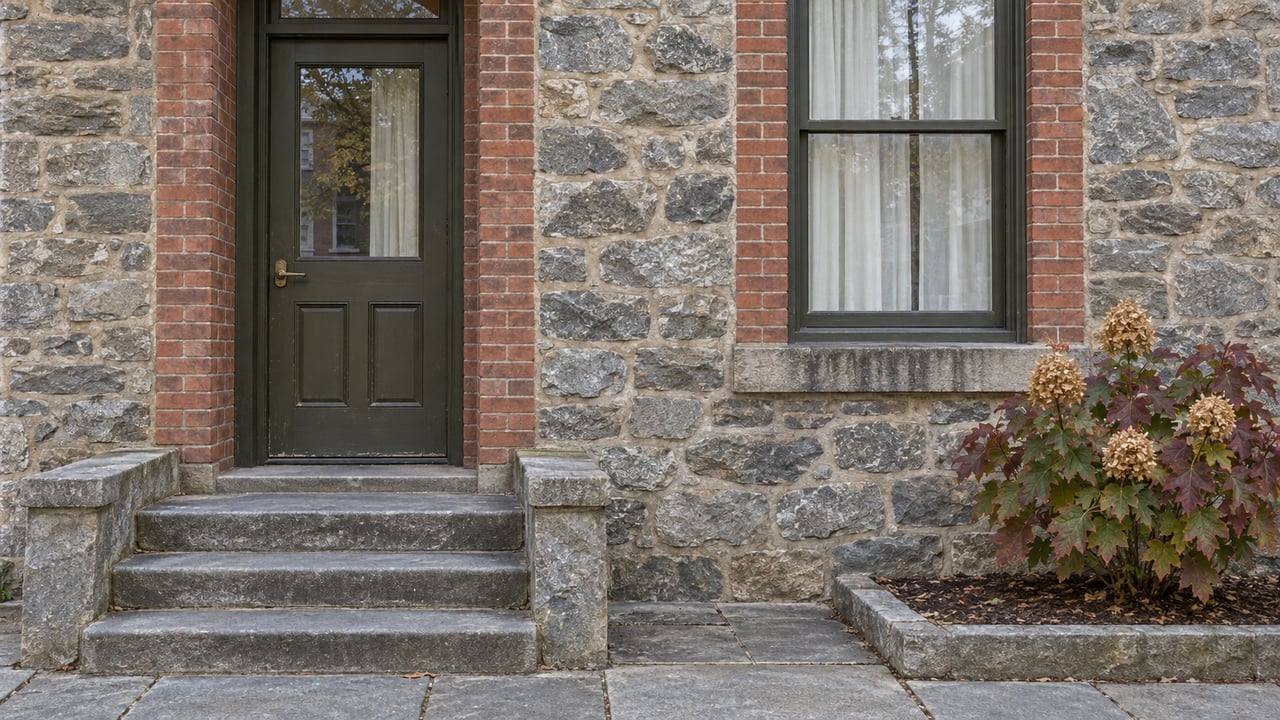
Your front entry sets the tone for every showing. Loose railings, peeling trim, and worn steps can make a house feel harder to own, even when the interior is strong.
If your home is locally designated, remember that some of these exterior elements may require review before changes are made. A preservation-aware contractor can help you sort out what counts as maintenance and what may need approval.
One of the easiest mistakes sellers make in historic homes is over-renovating the wrong things. In Queen Village, buyers often respond better to clean, well-maintained original character than to generic updates that could be in any market.
That is especially true on the exterior. If you replace too much visible historic fabric, you may spend money without improving market appeal. A thoughtful repair-first approach is often a better fit for this neighborhood.
Inside the home, you usually have more flexibility. The Historical Commission regulates interiors only if the interior itself is listed, so interior cosmetic work is often the simplest place to create a cleaner and brighter first impression.
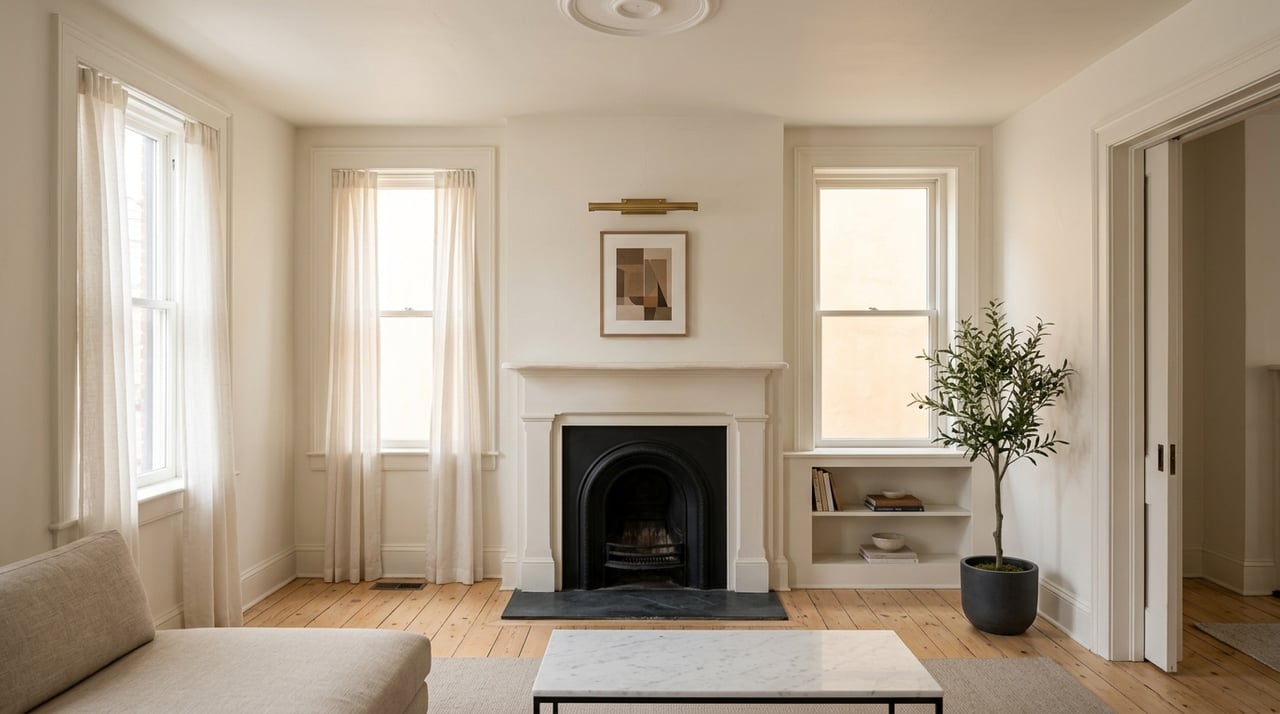
Historic homes can feel incredibly inviting when they are edited well. Your goal is to help buyers notice ceiling height, natural light, plaster details, original trim, fireplaces, stair lines, and room flow, rather than clutter or dated distractions.
A few practical prep priorities can go a long way:
This is often where strategy matters most. You are not trying to erase age. You are helping buyers see how the home lives today while still respecting what makes it distinct.
In an older Philadelphia home, contractor choice matters more than many sellers expect. A generic remodel mindset can lead to unnecessary replacement, poor material matches, or work practices that create avoidable issues.
If your home was built before 1978, lead-safe prep should also be part of your screening process. Federal rules require important lead-based paint disclosures for most pre-1978 homes, and Philadelphia separately requires sellers of pre-1978 housing to disclose the presence or absence of lead-based paint or hazards and provide the city lead-hazard pamphlet.
Because pre-listing work often disturbs paint, EPA guidance recommends using a lead-safe certified contractor for renovation, repair, or painting in pre-1978 residential buildings. That is a smart filter for painting, carpentry, and touch-up work before you list.
A smooth sale starts long before the first showing. In a historic Queen Village home, having your documents organized can help answer buyer questions early and reduce friction during negotiations.
Start by confirming the official property address and historic register status. Then gather any prior permits, approvals, photographs, or other file materials available through the Historical Commission records tied to the property.
Those records can help you and your vendors better understand what is original, what was added later, and what may already have been approved. They can also support a stronger disclosure package.
If your property is designated, buyers should be told. The Historical Commission also notes that designation does not affect property assessment or raise taxes, which can be useful context if a buyer has concerns.
Queen Village selling prep comes with one very Philadelphia issue: the block itself. Tight streets, limited parking, deliveries, dumpsters, and moving trucks can all affect how your listing shows.
Philadelphia Streets issues permits for temporary no-parking areas for moving trucks, storage containers, and dumpsters. The city also posts signs with dates and times when cars must move, which can help you coordinate exterior work and avoid chaos on photo day or during showing windows.
You should also keep an eye on paving and street disruptions. The city says paving season generally runs from late March or early April through November, and projects can last several weeks depending on conditions. If your block is scheduled for paving, it may make sense to shift photography or high-traffic showing periods so buyers see the home without cones, dust, or parking restrictions out front.
Many longtime owners worry that historic designation creates a huge burden at sale. In reality, the rules are more specific than that.
Designation does not mean you must restore the house to one exact historic moment. The Historical Commission encourages adaptive reuse and says its job is to manage change. It also says preexisting nonhistoric alterations are grandfathered.
It also does not raise your taxes. According to the Historical Commission, designation is not a factor in property assessments.
That is why the best prep plan is usually balanced. Preserve the details that define the home, repair the items that could scare buyers, and avoid expensive changes that do not improve value or fit the house.
In Queen Village, a historic home often sells best when buyers understand both its condition and its character. The brick, proportions, stoop, old-growth materials, and layered history can be part of the value, especially when the home feels well maintained rather than overworked.
That is where a clear prep strategy helps. When you pair smart repairs, careful documentation, and thoughtful presentation, you give buyers fewer reasons to hesitate and more reasons to connect with the house.
If you are thinking about selling a Queen Village home and want a plan that respects both the market and the history, The Liz Clark Real Estate Team can help you map out the right prep steps, vendor strategy, and listing approach.
Stay up to date on the latest real estate trends.

Home Appraisals Explained for Philadelphia Buyers, Sellers, and Luxury Homeowners.
A Guide to Chestnut Hill Architecture, From Stone Colonials to Modern Landmarks.
How Home Age and Market Value Shape Philadelphia Real Estate Prices.

A Clear Guide to the Home Appraisal Process for Philadelphia Buyers and Sellers.

If you’re thinking about selling your home, obsessively scrolling for a house, planning a relocation to the area, or just feel unsure where to start, we can help. Reach out for a zero-pressure 30-minute phone or video meeting to get started. We are here to listen, support, and educate so you can feel confident with your decisions in our swiftly moving market