What Today’s Fishtown Rowhome Market Means for You
Buying or selling a rowhome in Fishtown can feel confusing fast. One headline says prices are surging, another says buyers have more room to negotiate, and then every block seems to tell a different story. If you are trying to make sense of today’s market, the key is understanding how Fishtown rowhomes differ by condition, layout, and location. Let’s dive in.
Fishtown continues to stand out as one of Philadelphia’s most in-demand rowhome markets. Public data from spring 2026 show a neighborhood where homes still command a premium over the city overall, even as buyers remain more selective than they were in the hottest recent years.
That demand is not just about housing. Fishtown’s location northeast of Center City, along with its restaurants, entertainment venues, shops, galleries, and public-space improvements, helps support steady interest from buyers who want an urban neighborhood with strong amenities and walkability.
The first thing to know is that public market stats are measuring different things. Zillow reported a Fishtown home value index of $388,997 as of April 30, 2026, up 4.0% year over year, with homes pending in about 13 days. Redfin showed a median sale price of $454,831 in April 2026, up 25.5% year over year, while Realtor.com reported a median list price of $554,000, 191 homes for sale, a 99% sale-to-list ratio, and 35 median days on market.
Those numbers are not contradictory. They reflect different parts of the market, including estimated values, closed sales, and active listings. Taken together, they suggest a Fishtown market that remains active, competitive in the right situations, and priced well above Philadelphia as a whole.
For context, Redfin’s citywide April 2026 median sale price for Philadelphia was $279,855, with homes taking about 55 days to sell and receiving two offers on average. On that measure, Fishtown’s median sale price was roughly 63% higher than the citywide median.
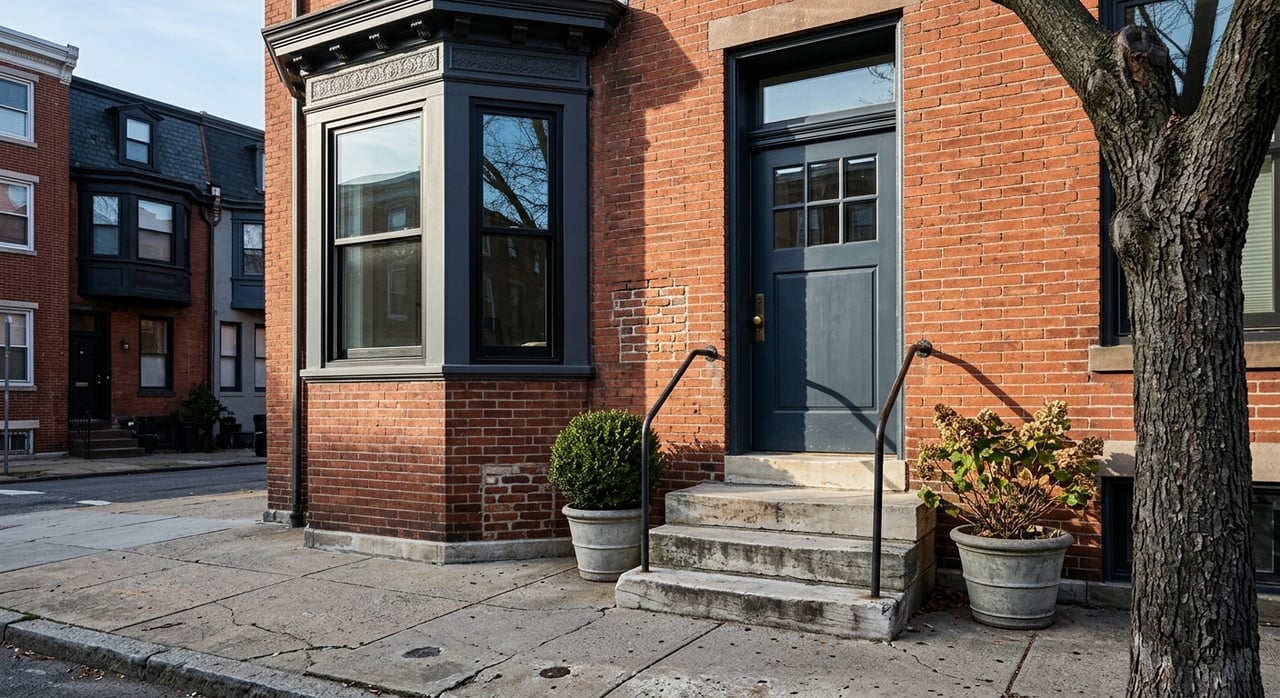
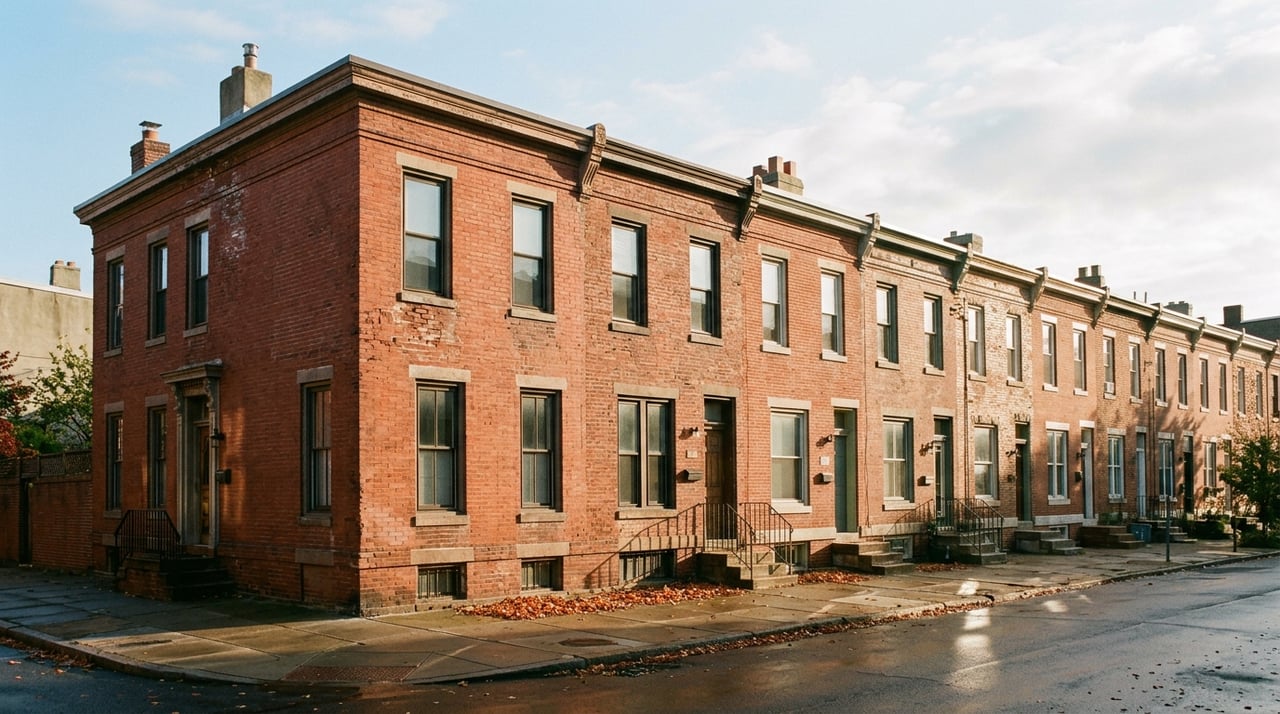
Fishtown makes more sense when you think of it as a rowhome market with a wide spectrum of housing types. Philadelphia rowhouses were built on narrow lots with attached walls, and they became the city’s defining housing form because they used space efficiently and were cost-effective.
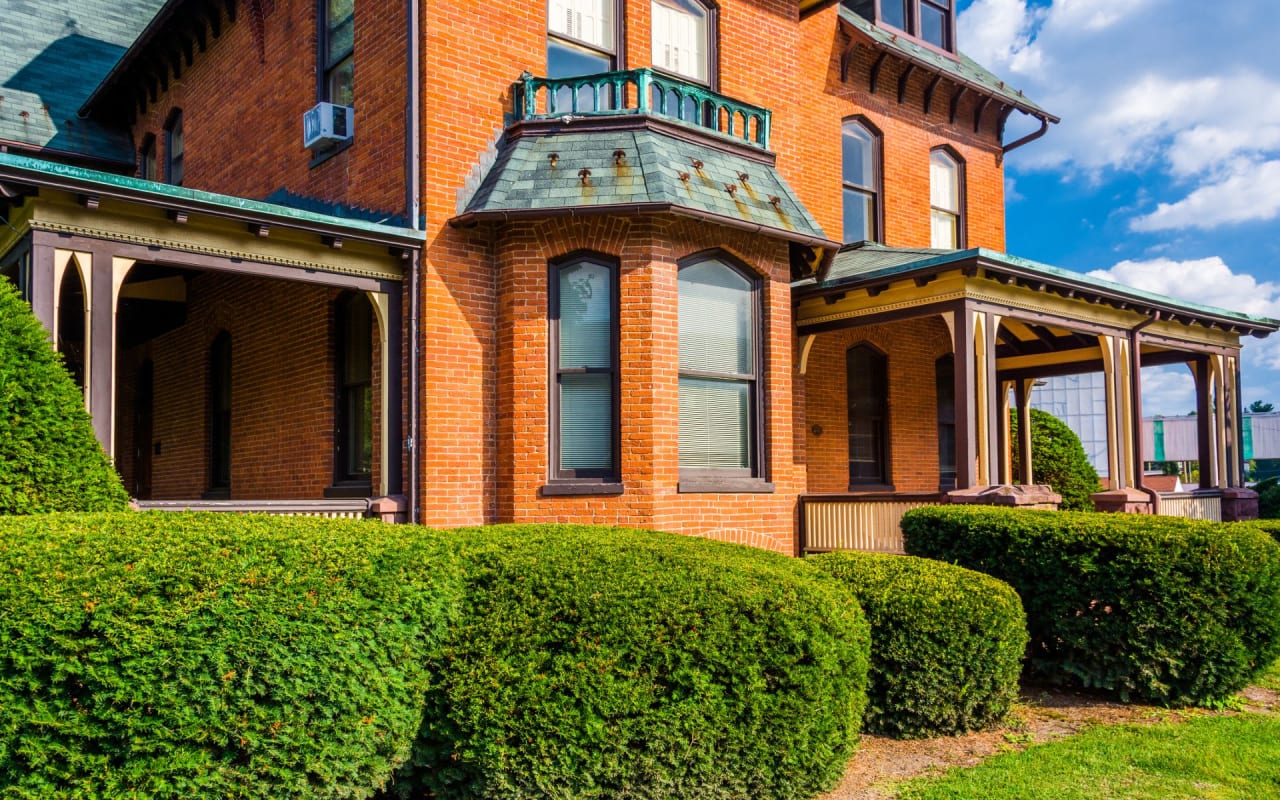
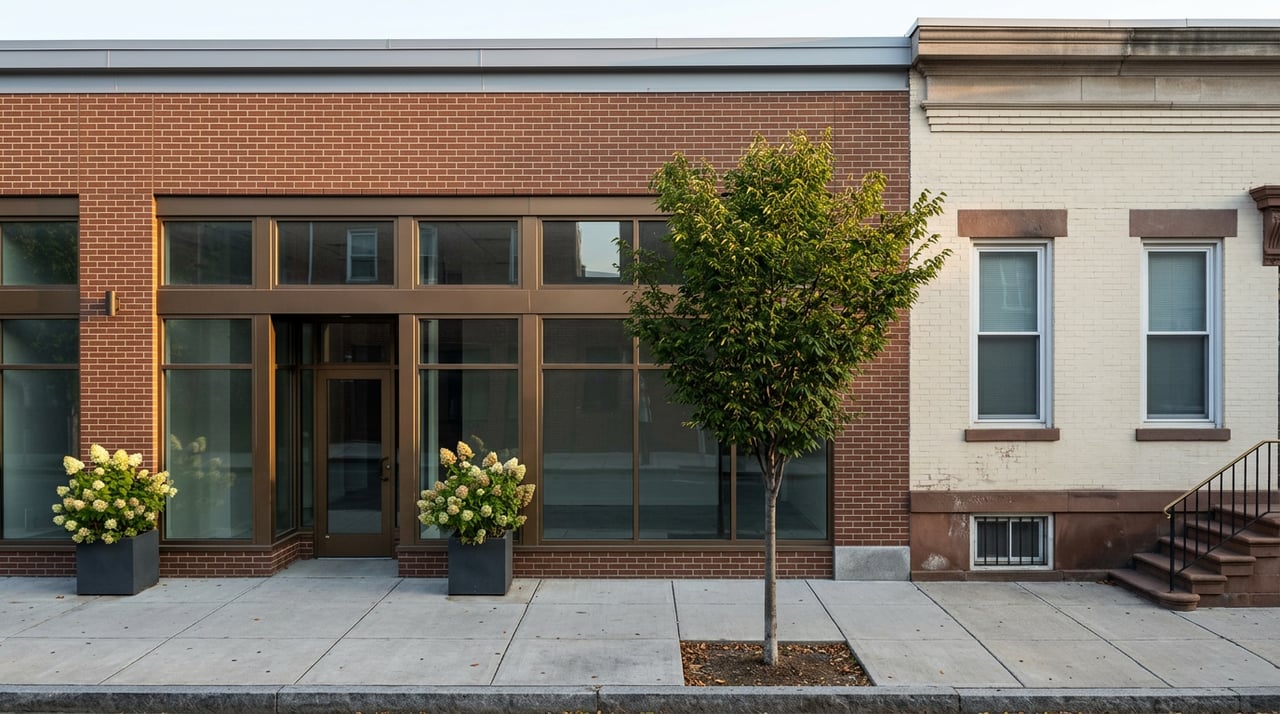
In Fishtown, that history still shows up clearly. Older two-story homes with roof dormers, later three-story rowhomes, renovated brick houses, and newer infill homes all exist side by side. That is why one block may feel more traditional while the next has a very different mix of finishes, scale, and presentation.
This matters because buyers do not value every rowhome the same way. A preserved older home, a polished renovation, and a wider newer construction home may all be called “rowhomes,” but they often compete in very different price bands.
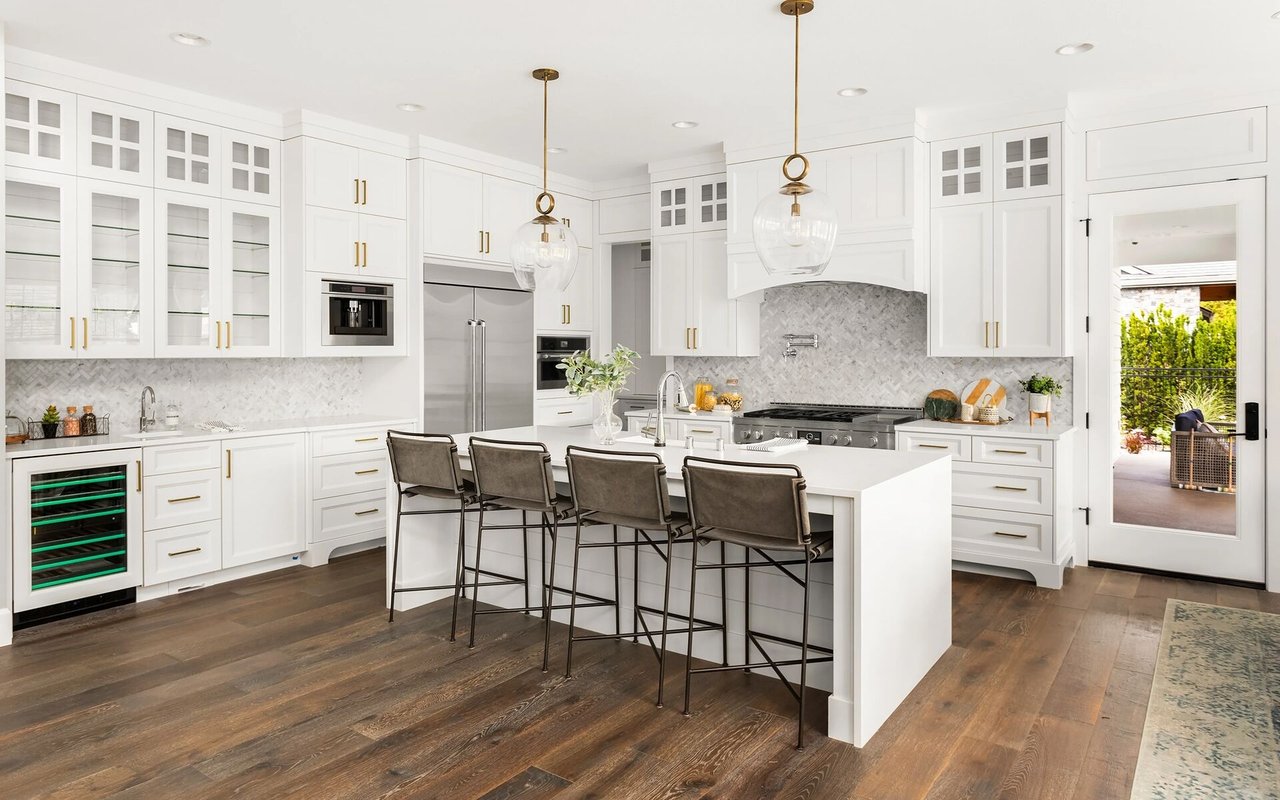
Right now, buyers appear to be rewarding homes that feel easy to live in. Philadelphia listing data point to strong interest in energy efficiency, spacious bedrooms, two bathrooms, island bars, landscaping, and updated finishes. Open layouts were especially desirable in higher-end segments, and survey data showed frequent demand for kitchen islands, quartz or granite counters, and double vanities.
Natural light is also a major factor. A Redfin survey from March 2026 found that 44% of U.S. residents would choose a smaller home with more sunlight over a larger home with less, and 67% said sunlight affects how satisfied they feel at home.
For Fishtown rowhomes, that usually translates into clear buyer preferences such as:
In actual Fishtown listings, those features show up again and again. Renovated homes often highlight exposed brick, open layouts, bonus office space, rebuilt roofs, rear patios, and move-in-ready finishes. Newer homes may add width, garage parking, multiple outdoor areas, or tax-abatement benefits.
This is one of the biggest value questions in Fishtown. In today’s market, renovated or move-in-ready rowhomes generally line up more closely with what buyers want. Updated kitchens and baths, better light, and functional outdoor space all match current demand more directly than a home that still needs major work.
That does not mean classic homes have no place in the market. They absolutely do. But they tend to perform best when they either preserve character while showing meaningful upgrades, or they are priced honestly as homes that need work.
Trying to price an older, less-updated rowhome like a turnkey renovation is where sellers often lose momentum. Buyers are paying close attention to layout, finishes, systems, and likely repair costs.
Condition matters in any market, but it matters even more in Philadelphia because of the age of the housing stock. Axios reported in February 2026 that nearly 40% of Philadelphia’s housing stock was built before 1939. Older homes can offer charm and character, but they can also bring more repair and maintenance risk.
For Fishtown buyers, that means it is smart to compare homes on a true all-in basis. The lower purchase price of a classic rowhome may look appealing at first, but the math can shift once you factor in repairs, layout changes, system upgrades, and ongoing maintenance.
For sellers, the lesson is equally important. If your home has older finishes or deferred maintenance, strategic preparation and realistic pricing matter more than ever.
One of the biggest practical differences between some renovated homes and newer construction in Philadelphia is property tax treatment. Some newer construction and certain gut renovations may benefit from the city’s 10-year residential tax abatement.
According to the City of Philadelphia’s current abatement chart, the taxable building percentage starts at 0% in year 1 and steps down until the property is 90% taxable in year 10. The city also states that properties with a 10-year residential tax abatement are not eligible for the Homestead Exemption until the abatement expires.
By contrast, the Homestead Exemption excludes $100,000 of assessed value, and in 2026 it can save most homeowners up to $1,399 per year on their real estate tax bill. If you are comparing a classic rowhome to newer or heavily renovated housing, these tax differences can have a real effect on monthly cost.
If you are buying in Fishtown, today’s market may offer more room for careful decision-making than the most frenzied recent years. Drexel’s May 2026 market commentary noted that affordability pressures and higher rates continue to cool the market modestly, while Realtor.com described 2026 Fishtown conditions as more favorable for value-seeking purchasers.
That does not mean every home is a bargain. Well-prepared, move-in-ready homes in strong locations can still attract quick interest and multiple offers. But it does mean you may have more space to compare tradeoffs, negotiate when condition warrants it, and avoid rushing into a home that does not truly fit your needs.
A smart buyer approach in Fishtown often includes:
If you are selling a Fishtown rowhome, the market still offers opportunity, but buyers are not responding to hype alone. They are looking closely at presentation, condition, and whether the price makes sense for the block and the house.
That is why strategy matters. A renovated home may benefit from highlighting the features buyers clearly value right now, like updated baths, better light, outdoor space, or flexible work-from-home areas. A more classic home may need a different plan, with pricing and prep that make its strengths and tradeoffs easy to understand.
In practical terms, sellers should focus on:
The best way to understand Fishtown today is to stop looking for one magic number. This is a neighborhood where value is highly sensitive to condition, layout, age, updates, outdoor space, and even width or parking. That is especially true in a rowhome market shaped by both historic housing stock and newer design-forward construction.
For most buyers and sellers, the right question is not “What is the Fishtown market doing?” It is “How does this specific rowhome fit into the current Fishtown market?” That is where clear local guidance becomes most useful.
If you want help thinking through a Fishtown rowhome purchase, sale, or pricing strategy, The Liz Clark Real Estate Team brings a practical, neighborhood-level approach that helps you weigh condition, cost, timing, and opportunity with confidence.
Stay up to date on the latest real estate trends.
The Decisions That Set Up a Smooth Sale in Chestnut Hill, PA.

Reaching the People Most Likely to Fall for Your Chestnut Hill, PA, Home.

A Walk Down Germantown Avenue and What You'll Find Along It.

How a Strong Launch Shapes the Whole Sale in Chestnut Hill, PA.


Downsizing in Philadelphia: The Stress Free Plan for Empty Nesters
If you’re thinking about selling your home, obsessively scrolling for a house, planning a relocation to the area, or just feel unsure where to start, we can help. Reach out for a zero-pressure 30-minute phone or video meeting to get started. We are here to listen, support, and educate so you can feel confident with your decisions in our swiftly moving market