By The Liz Clark Team
Situated in the northwest corner of Philadelphia at one of the city's highest elevations, Chestnut Hill has drawn residents since the 18th century who came for the cooler air, the extraordinary architecture, and the sense of being somewhere distinct from the rest of the city. What makes Chestnut Hill so special today is the same combination of qualities it has always offered: exceptional homes, a walkable main avenue lined with independent businesses, and access to some of the finest green space in the entire region.
Key Takeaways
- Chestnut Hill is a designated National Historic District with nearly 2,000 contributing buildings and one of the most architecturally significant residential collections in the country
- Germantown Avenue serves as the neighborhood's main corridor, anchored by independent shops, galleries, and restaurants
- Wissahickon Valley Park, Morris Arboretum, and Pastorius Park put extraordinary green space within close reach of residents
- The neighborhood offers direct SEPTA rail access to Center City, making it one of Philadelphia's most connected residential enclaves
A Neighborhood Built on Remarkable Architecture
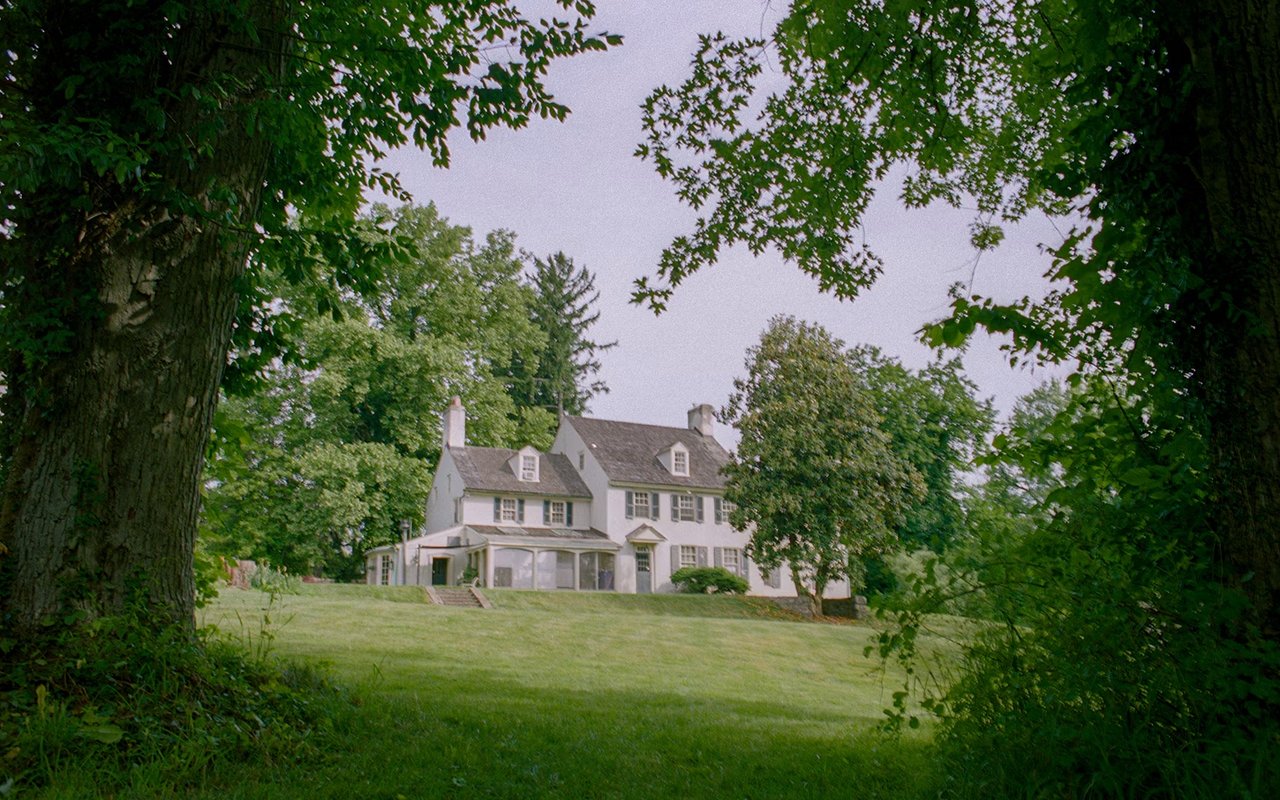
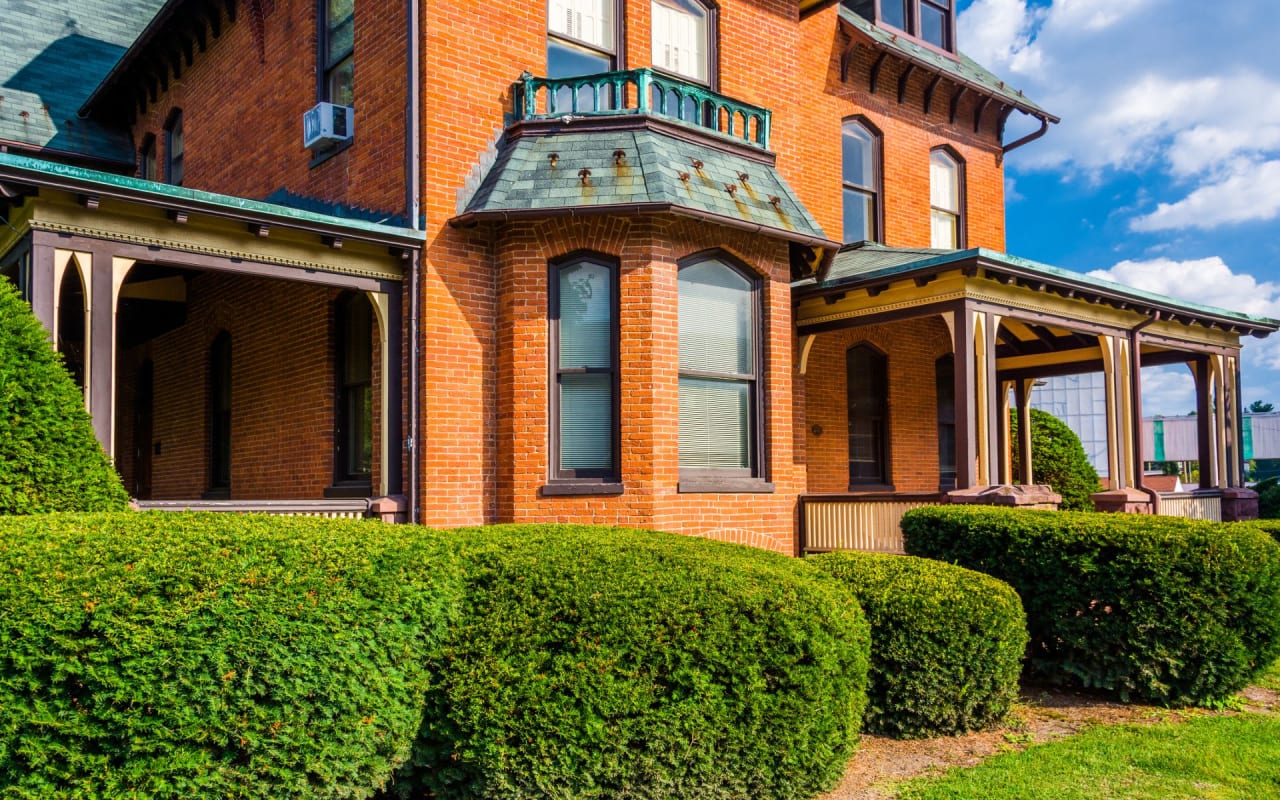
Chestnut Hill has been a National Historic District since 1985, and its nearly 2,000 contributing buildings represent one of the most remarkable collections of residential architecture in the country. Stone mansions, Victorian twins, Tudor Revival cottages, and postmodern landmarks all share the same streets, producing a streetscape that is unlike anything else in Philadelphia.
What Defines Chestnut Hill's Architectural Character
- The neighborhood's distinctive aesthetic is rooted in the "Wissahickon Style," a landscape tradition built around native plantings, Wissahickon schist stonework, and designs that follow the natural topography of the land
- The Gravers Lane Railroad Station remains one of the most visited examples of his work in the city
- The Vanna Venturi House is considered a foundational work of postmodern architecture and draws visitors from around the world
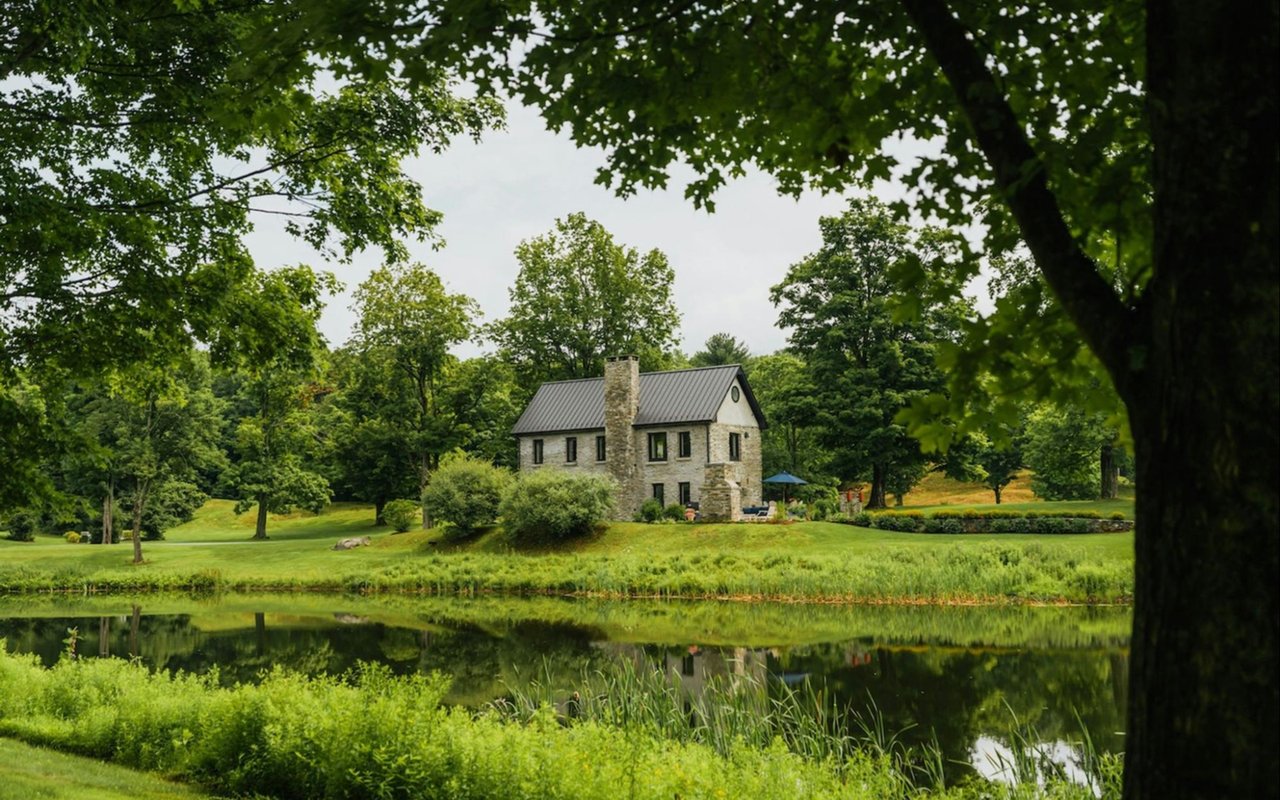
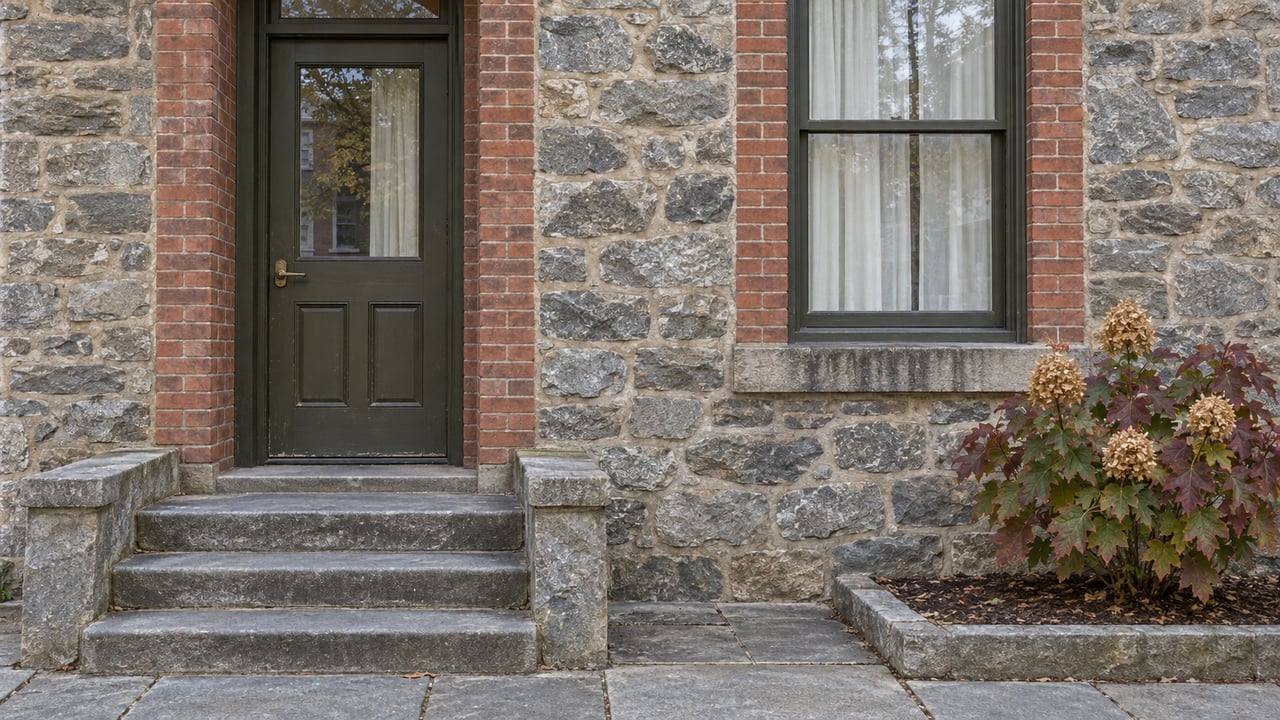
- Stone is the defining material of the neighborhood, and homes built from locally quarried Wissahickon schist give the streets a visual coherence
Germantown Avenue: The Heart of Daily Life
Germantown Avenue runs the full length of Chestnut Hill and functions as both the neighborhood's main street and its gathering place. It is lined almost entirely with independent businesses, which gives it a character that larger commercial corridors in Philadelphia tend to lack. Boutique retailers, art galleries, antique dealers, and a farmers market that draws residents throughout the warmer months all contribute to an avenue that rewards unhurried exploration.
What You Will Find Along Germantown Avenue
- The Woodmere Art Museum holds a collection of more than 8,000 works focused on Philadelphia artists
- The Chestnut Hill Farmers Market brings local vendors and seasonal produce to the neighborhood
- Independently owned shops reflect the neighborhood's longstanding preference for locally rooted retail over national chains
- Restaurants and cafes are clustered throughout the avenue, offering a range of options from casual to refined within easy reach of most addresses in the neighborhood
Green Space That Sets Chestnut Hill Apart
One of the most compelling aspects of living in Chestnut Hill is the quality and scale of the natural spaces that surround it. Wissahickon Valley Park borders the neighborhood to the west and south, offering over 50 miles of trails through 1,800 acres of wooded terrain along Wissahickon Creek. The recently opened Lida Way Pedestrian Bridge, a 200-foot span completed in late 2024, added a new connection point within the park. For residents, access to this kind of landscape is not a weekend amenity but a feature of daily life.
The Green Spaces Closest to Home
- Wissahickon Valley Park is a designated National Natural Landmark and one of fewer than 600 such sites in the United States, offering trails for hiking, equestrian use, and access to the creek throughout the year
- Morris Arboretum and Gardens spans 92 acres of historic gardens, ponds, and sculpted landscapes
- Pastorius Park offers open lawns and a pond and serves as the site of outdoor concerts and community events throughout the warmer months
- The Philadelphia Cricket Club is the oldest country club in the United States and provides tennis, golf, and swimming facilities to its members within the neighborhood
What the Real Estate Market Looks Like Here
Homes in Chestnut Hill reflect the neighborhood's standing as one of Philadelphia's most desirable addresses. The housing stock ranges from rowhomes and twins along the avenues to large detached stone singles on deep lots near the parks, and the neighborhood consistently commands some of the highest price points in the city. Properties here tend to attract buyers who are looking for a particular combination of architectural quality, access to green space, and a genuine neighborhood identity that does not require leaving the city to find.
What Buyers Typically Look for in Chestnut Hill
- Original architectural details including stone facades, period millwork, fireplaces, and mature landscaping
- Proximity to Wissahickon Valley Park and Morris Arboretum
- Direct SEPTA Regional Rail access via the Chestnut Hill East and West lines
- A main street that offers independent retail, dining, and cultural institutions
FAQs
How does Chestnut Hill compare to other Northwest Philadelphia neighborhoods?
Each of the Northwest neighborhoods has a distinct identity and a different mix of housing types and price points. Chestnut Hill tends to have the highest concentration of larger stone singles and commands the top of the market in this part of the city. Other northwest neighborhoods like Mt. Airy and Germantown offer many of the same architectural qualities and access to green space at a broader range of price points.
Is Chestnut Hill a good place to buy if you need to commute to Center City regularly?
It is one of the better-connected residential neighborhoods in Philadelphia for commuters. The Chestnut Hill East and West SEPTA Regional Rail lines both serve the neighborhood, with multiple stops along Germantown Avenue, and trains run frequently enough to make a daily commute to Center City practical for most schedules.
What should buyers know about the types of homes available in Chestnut Hill?
The housing stock is varied, which surprises some buyers who expect only large estates. You will find everything from more modestly sized rowhomes and twins near Germantown Avenue to substantial single-family stone homes on generous lots closer to the parks. The common thread is architectural quality, and even smaller properties in Chestnut Hill tend to carry original details and craftsmanship that are increasingly rare elsewhere in the city.
Contact The Liz Clark Team Today
We have deep roots in Chestnut Hill and the surrounding Northwest Philadelphia neighborhoods, and we bring that knowledge to every conversation we have with buyers and sellers in the area. At The Liz Clark Team, we work with people who want to understand not just the market but the neighborhood itself, because finding the right home in Chestnut Hill means understanding what makes it worth living in.
If you are thinking about buying or selling in Chestnut Hill, we would love to connect. Reach out to
The Liz Clark Team and let us help you make the most of what this neighborhood has to offer.