Is Northern Liberties The Right Fit For Your First Home?
Buying your first home in Philadelphia can feel like a tug-of-war between budget, location, and lifestyle. If Northern Liberties is on your list, you are probably wondering whether the neighborhood’s energy, convenience, and price point actually line up with what you want day to day. This guide will help you sort through the tradeoffs, understand what first-time buyers can realistically expect, and decide whether Northern Liberties fits your version of home. Let’s dive in.
Northern Liberties sits just north of Old City and offers close access to Center City without putting you right in the middle of downtown density. Visit Philadelphia places it a little over a mile north of Old City and about two miles from City Hall, which helps explain why so many buyers look here when they want central-city convenience.
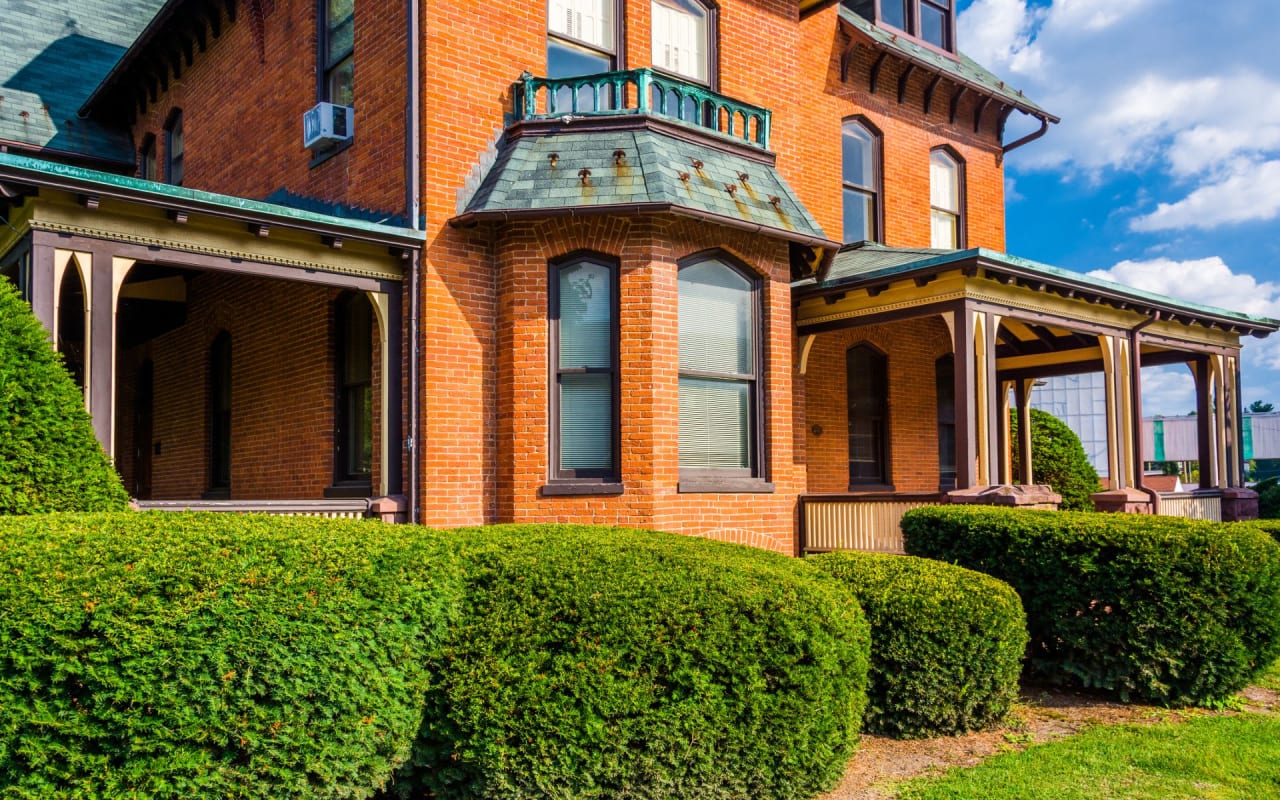
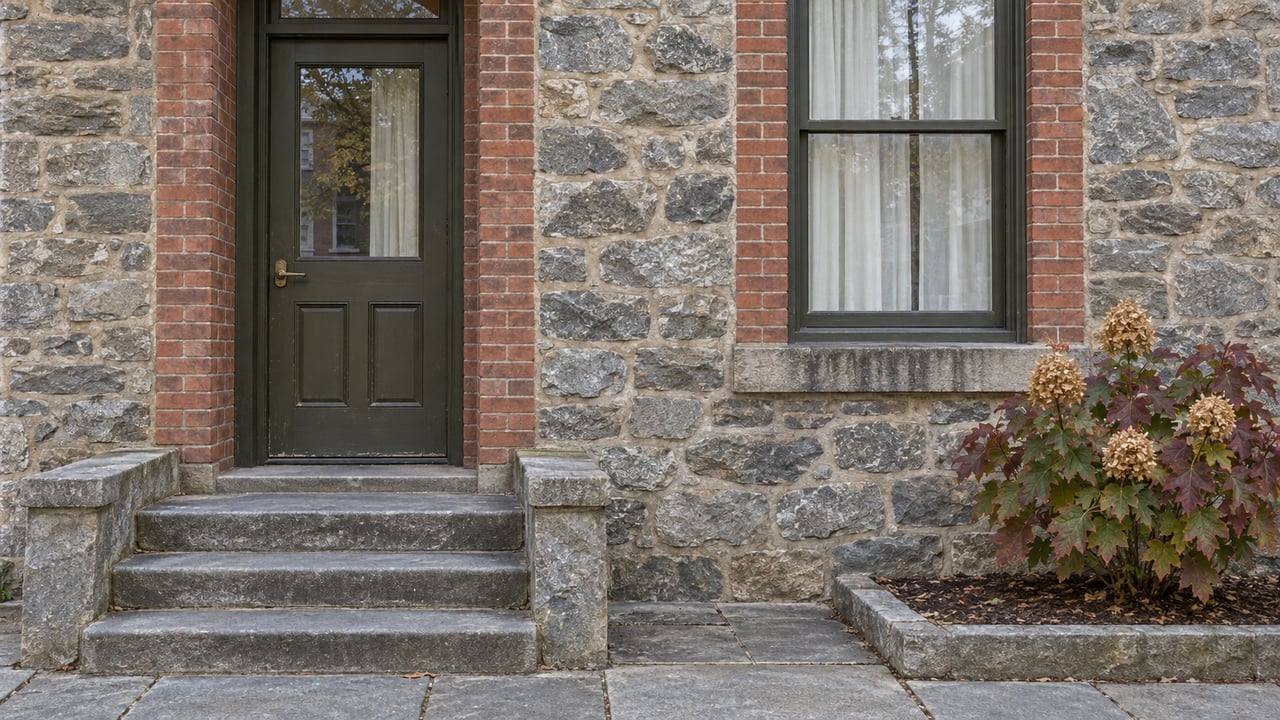
The neighborhood has a layered feel because it grew out of a former manufacturing district instead of a single wave of development. Its historic district is listed on the National Register of Historic Places, and the area includes a mix of Greek Revival, Italianate, and Federal architecture alongside newer residential buildings.
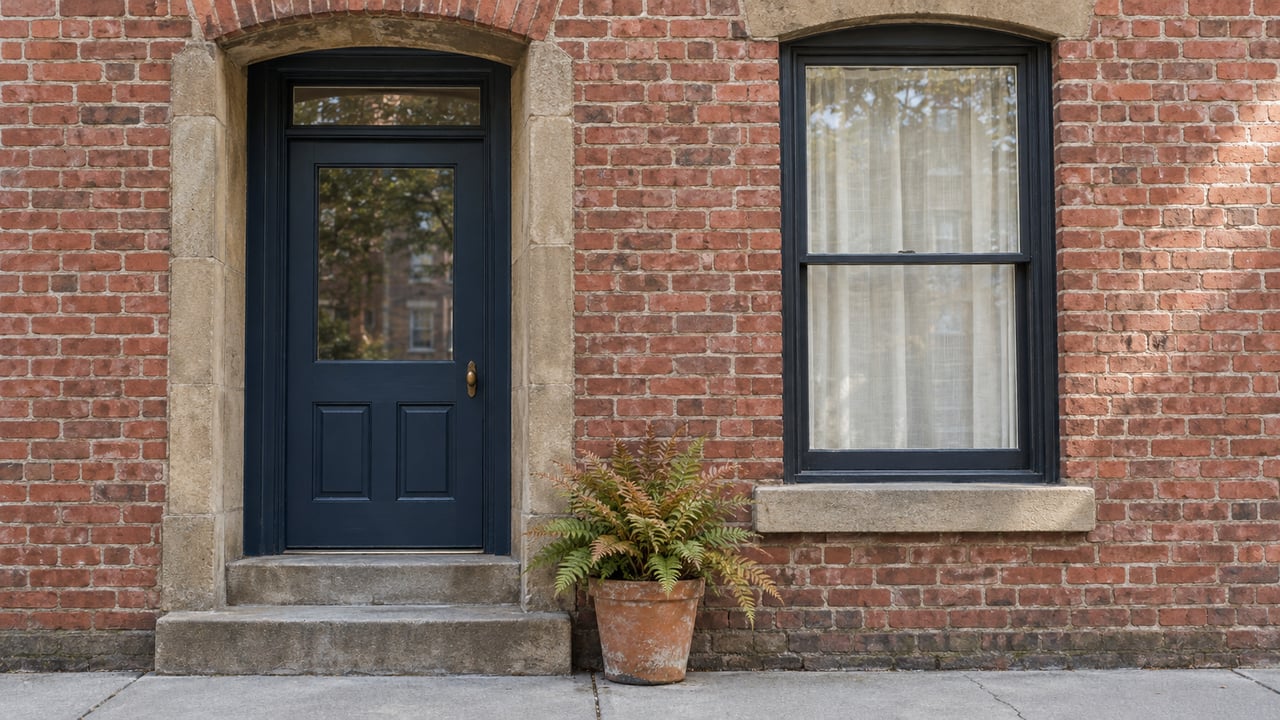
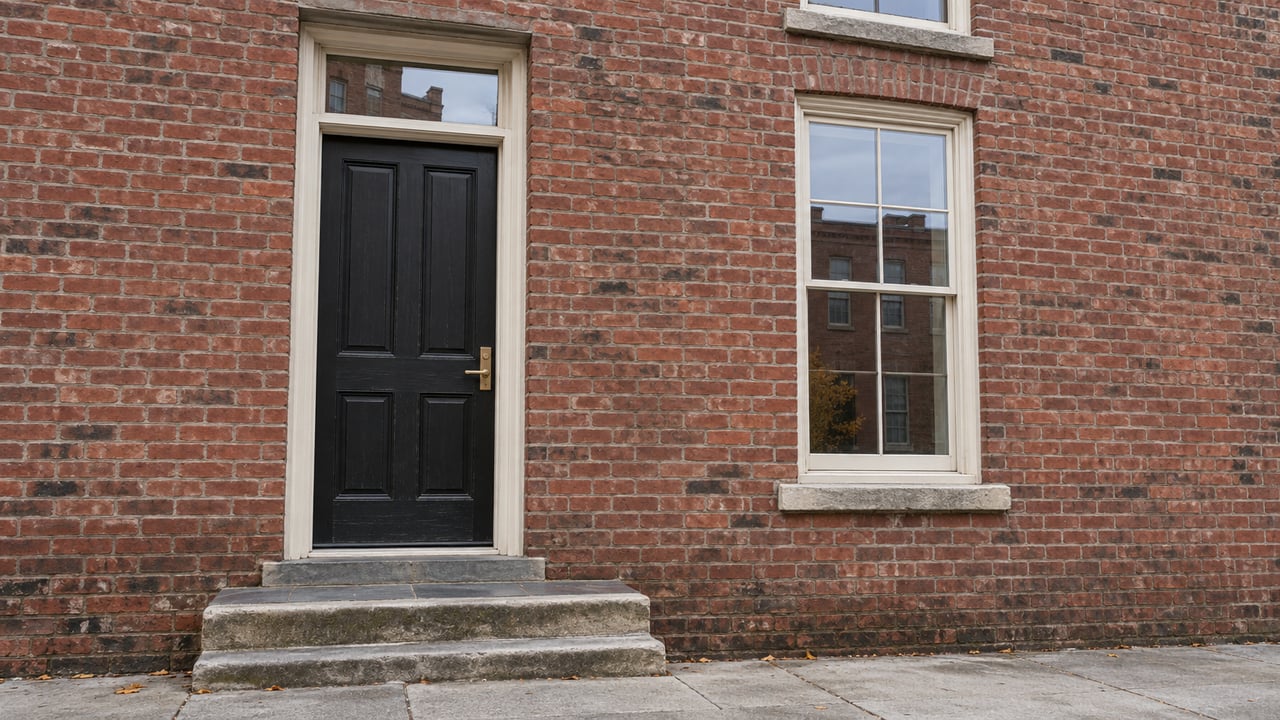
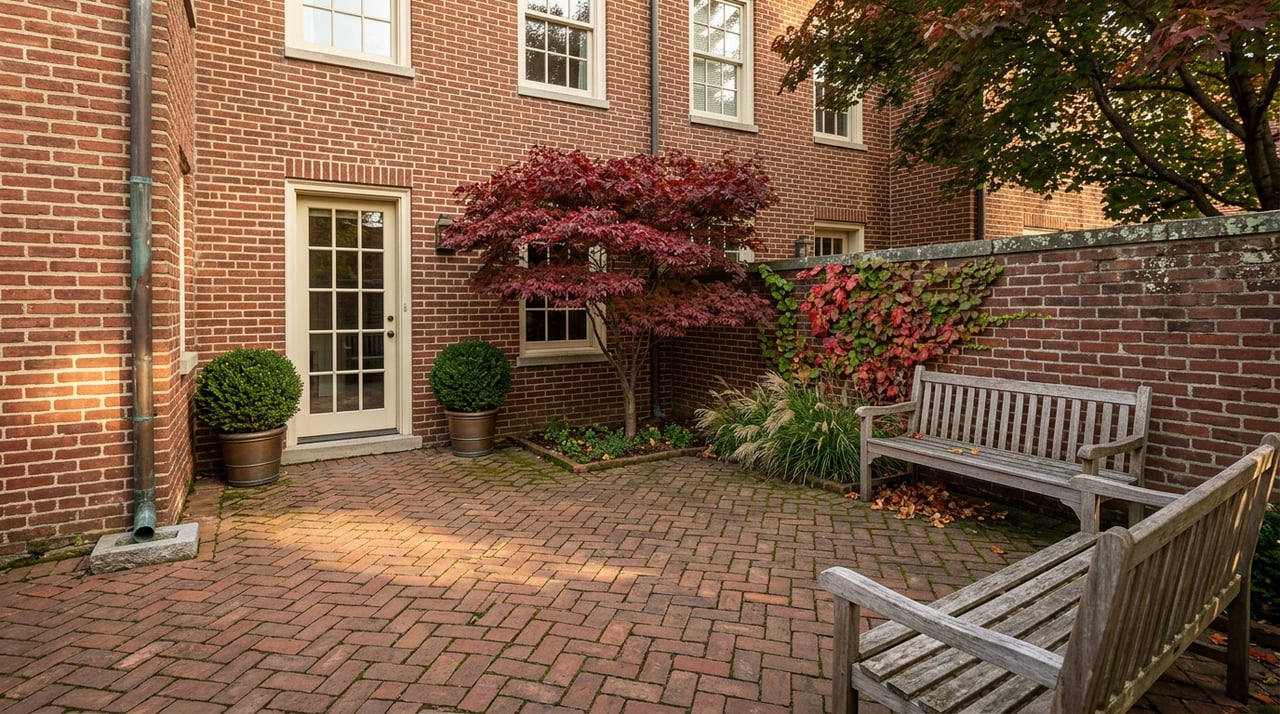
In practical terms, that means Northern Liberties does not feel uniform. You will see reused warehouses, brick rowhouses, condos, townhouses, mixed-use buildings, and converted industrial spaces, often within a few blocks of each other.
For many first-time buyers, Northern Liberties checks a lot of important boxes. The neighborhood offers walkable streets, strong transit access, and easy proximity to Old City, Fishtown, and Center City, which can make everyday life feel more connected and flexible.
If you want an urban lifestyle that still feels neighborhood-based, this area makes a strong case. You are not choosing between purely residential streets and a fully commercial downtown core. Instead, you get a blend of homes, businesses, and local gathering spots in one compact part of the city.
The housing mix also helps. Northern Liberties is not limited to one type of first-home option, so you may be able to compare condos, rowhouses, and townhouses rather than squeezing your search into a single product type.
Northern Liberties is a mixed-stock neighborhood, which is one of its biggest advantages for buyers who are still figuring out what kind of home fits them best. According to the research, common options include brick rowhouses, condos, townhouses, newer mixed-use buildings, and converted industrial spaces.
That mix matters because your first home priorities may be different from someone else’s. You might want lower-maintenance condo living, more interior space in a townhouse, or the feel of an older rowhouse with more character.
The area also reflects both old and new Philadelphia. Some rowhouses date to the 1920s, while many homes are newer than the older historic fabric around them. As a buyer, that means you will likely compare very different layouts, finishes, and maintenance expectations within the same neighborhood.
If you are hoping for a true entry-level Philadelphia budget, Northern Liberties may feel like a stretch. The current market snapshots in the research suggest the neighborhood is broadly a low-to-mid $500Ks area on value and sale-price measures, while active list prices often run into the low $600Ks.
The numbers vary by source, but the overall story is consistent. Zillow reported a typical home value of $510,297 and a median list price of $629,333 as of April 30, 2026. Redfin showed a median sale price of $562,500 in March 2026, while Realtor.com reported a median sale price of $602.5K and about 120 homes for sale with a median 54 days on market.
For first-time buyers, the clearest takeaway is this: Northern Liberties is usually a better fit if your budget lands in the mid-$500Ks to low-$600Ks range. Condos may offer a lower entry point, while renovated townhomes and newer construction often sit higher.
Northern Liberties tends to appeal to buyers who care a lot about convenience and street life. The neighborhood is known for reused warehouses turned into condos, galleries, stores, and restaurants, which gives it a lived-in, active feel that many urban buyers want.
That said, every neighborhood choice comes with tradeoffs. If your top priorities are the lowest possible purchase price, easy parking, or a quieter setting with more expansive green space, this may not be the easiest fit.
Liberty Lands is the area’s main green space, and it is a meaningful neighborhood amenity. Still, the research makes clear that this is not the same experience as living next to a large park system or a broad suburban greenbelt.
Transit is one of Northern Liberties’ strongest selling points. SEPTA directs riders to the neighborhood through Spring Garden Station or Front/Girard Station on the Market-Frankford Line, and several bus routes also serve the area, including Routes 5, 15, 25, 43, and 57.
The City of Philadelphia also notes that the Spring Garden area offers regional transit connections and access to I-95 and I-676. If you commute across the city or want flexibility for work and weekend plans, that connectivity can make a real difference.
For many first-time buyers, this makes Northern Liberties a strong option for a car-light lifestyle. You can get around by foot, bike, transit, or car, which gives you more than one way to make the neighborhood work.
This is one area where it helps to be realistic from the start. Research from Homes.com says parking can be difficult, and the Northern Liberties Business Improvement District describes parking demand as incredibly high and a constant source of complaint.
That does not mean you should rule the neighborhood out. It does mean you should think honestly about your tolerance for street parking, the possibility of paying for garage parking, or living with a more transit-first routine.
If a guaranteed parking setup is essential to your daily life, you will want to screen listings carefully. In Northern Liberties, parking is not a small detail. It can shape how convenient your home feels after move-in.
One of the best ways to decide if Northern Liberties fits is to compare it with a few nearby neighborhoods that first-time buyers often consider at the same time.
Old City tends to feel more tied to Philadelphia’s historic core and visitor activity. Northern Liberties is generally more residential in feel, even though it stays very close to the same central area.
Price is also part of the comparison. Redfin’s March 2026 data puts Old City’s median sale price at $655,000, above Northern Liberties at $562,500.
Fishtown is probably the closest peer in both feel and price. Based on the research, the two neighborhoods are very close in sale price, with Redfin showing Fishtown at $557,500 and Northern Liberties at $562,500.
If you are choosing between the two, the decision may come down to which block-by-block feel suits you better. Northern Liberties often reads as a bit more central and neighborhood-scaled, while still sharing some of the same urban energy.
Queen Village usually offers a more classic-residential profile, while Northern Liberties leans a little more industrial-modern in feel. That difference can matter if you are drawn to one architectural style or street atmosphere over another.
Queen Village also comes in higher on price in the research snapshot. Redfin places its median sale price at $687,000.
Fairmount tends to be more park- and museum-oriented. Northern Liberties, by comparison, is less green-space driven and more centered on mixed-use urban convenience.
The pricing is quite close. Redfin shows Fairmount at $569,900, which is very near Northern Liberties.
If you want to stay close to downtown without living in full Center City intensity, Northern Liberties can be a smart middle ground. It offers proximity to the city core with a more neighborhood-scaled experience.
Center City’s median sale price in the research was $592,400, slightly above Northern Liberties. For some first-time buyers, that makes Northern Liberties feel like a central alternative without full downtown density.
Northern Liberties is a strong fit if you want to be close to the center of Philadelphia, value transit access, and like the idea of choosing from several housing types. It also works well if you want a neighborhood that feels active and connected rather than quiet and tucked away.
You may be especially happy here if you are deciding between condo living and a rowhouse, want easy access to nearby neighborhoods, or prefer a car-light routine. For many first-time buyers, that blend of convenience and housing variety is the main draw.
Northern Liberties may be less ideal if your budget needs to stay firmly in entry-level territory. Based on the research, this is not one of Philadelphia’s cheapest paths into homeownership.
It may also be a tougher match if parking stress would wear on you quickly or if you want a setting that feels quieter and more park-heavy. Those are not dealbreakers for everyone, but they are worth weighing before you fall in love with a listing.
Northern Liberties is not the most affordable first-home neighborhood in Philadelphia, but it remains one of the stronger options for buyers who want central location, solid transit access, and a real mix of home types. Its biggest strengths are convenience, connectivity, and variety.
If your budget can support the neighborhood and you are comfortable with the parking tradeoff, Northern Liberties can be a very compelling place to buy your first home. The key is making sure the lifestyle you want matches the reality of the block, the building, and your day-to-day routine.
That is where local strategy matters. If you are comparing Northern Liberties with Fishtown, Old City, Fairmount, or Center City, a neighborhood-level view can help you avoid choosing based on vibe alone and focus on fit.
If you want help sorting through Northern Liberties versus other Philadelphia neighborhoods, The Liz Clark Real Estate Team can help you make a clear, informed first-home decision with local insight and zero pressure.
Stay up to date on the latest real estate trends.

Home Appraisals Explained for Philadelphia Buyers, Sellers, and Luxury Homeowners.
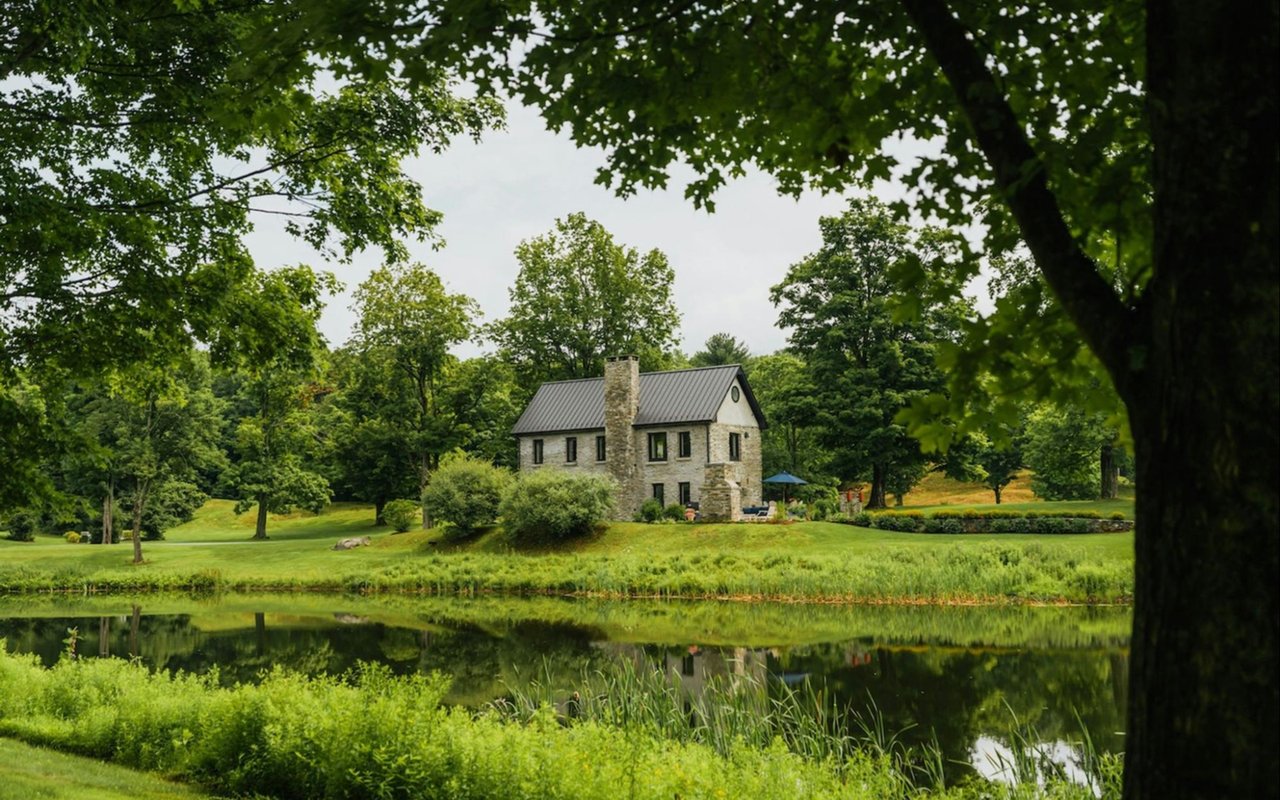
A Guide to Chestnut Hill Architecture, From Stone Colonials to Modern Landmarks.
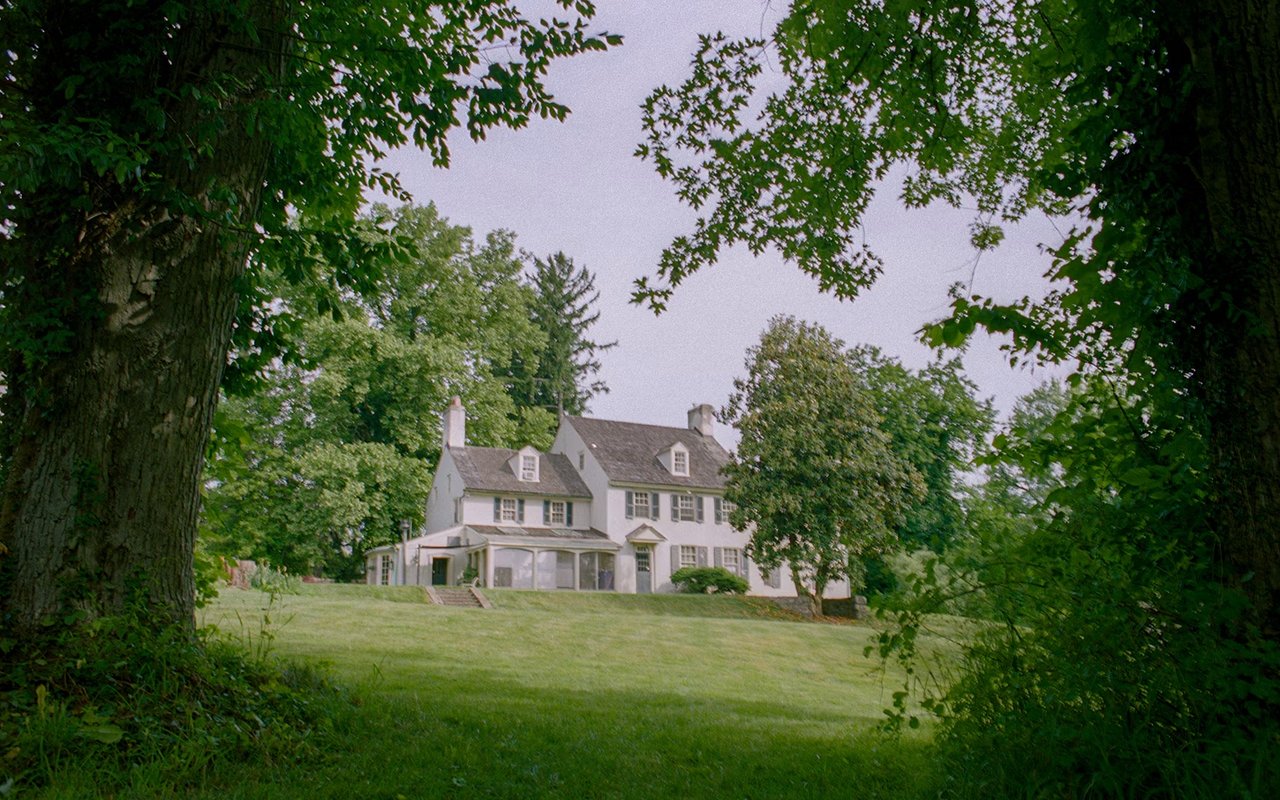
How Home Age and Market Value Shape Philadelphia Real Estate Prices.

A Clear Guide to the Home Appraisal Process for Philadelphia Buyers and Sellers.

If you’re thinking about selling your home, obsessively scrolling for a house, planning a relocation to the area, or just feel unsure where to start, we can help. Reach out for a zero-pressure 30-minute phone or video meeting to get started. We are here to listen, support, and educate so you can feel confident with your decisions in our swiftly moving market