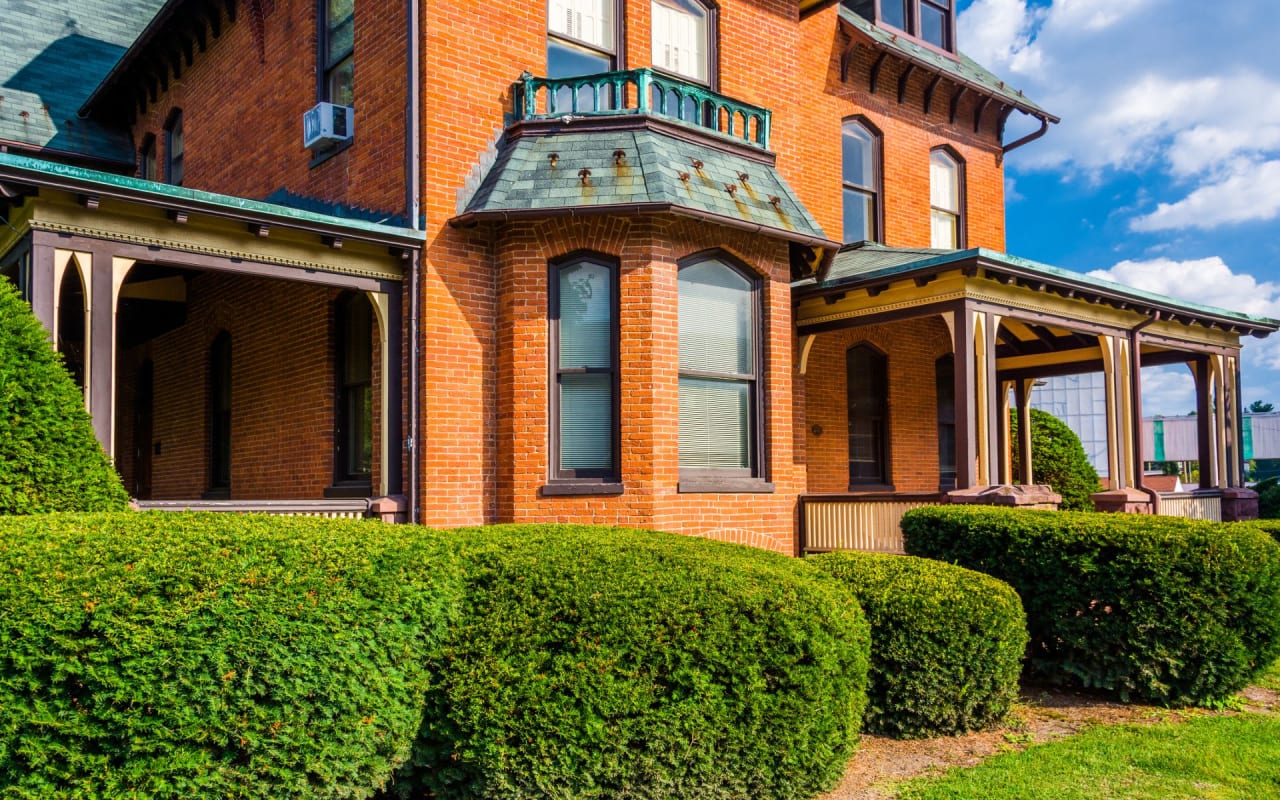
Mt Airy vs Chestnut Hill Homes in Northwest Philadelphia
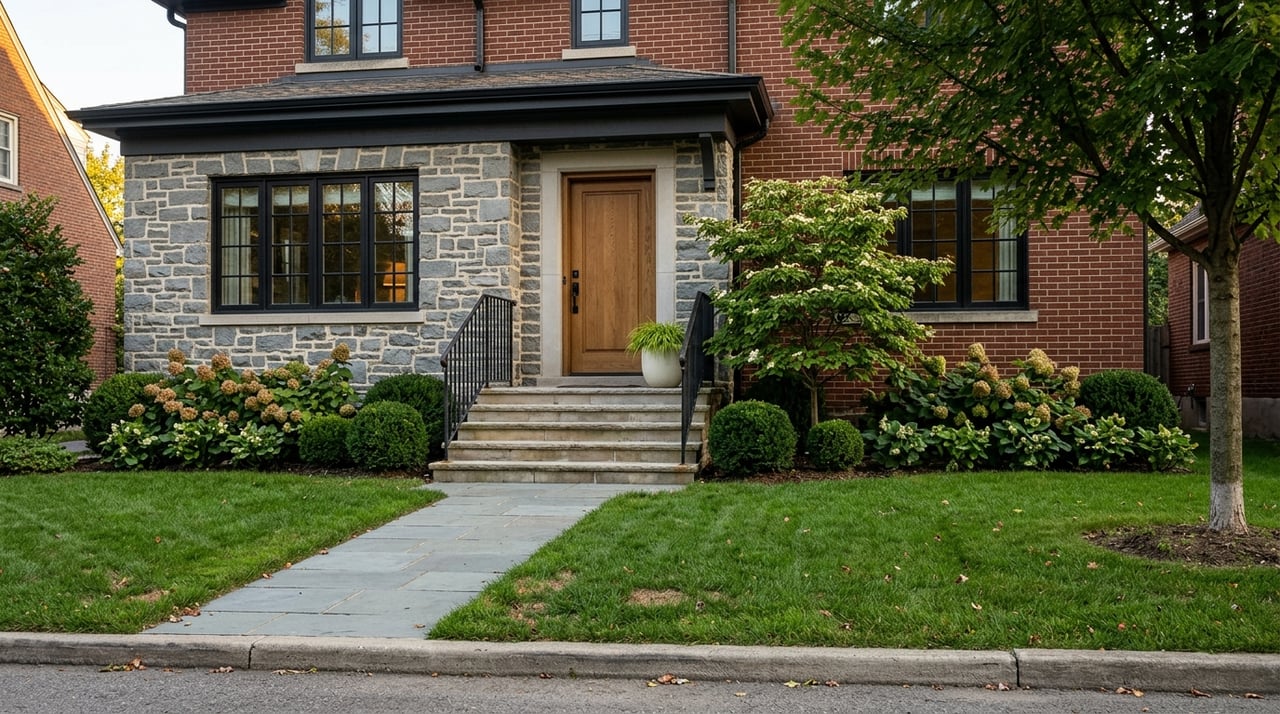
Trying to choose between Mt Airy and Chestnut Hill? You are not alone. Both Northwest Philadelphia neighborhoods offer historic homes, strong transit access, and easy access to the Wissahickon, but they feel different once you start walking the blocks and touring houses. If you are deciding where you will feel most at home, this guide will help you compare the day-to-day experience, housing stock, outdoor access, and practical buying questions that matter most. Let’s dive in.
If you are comparing these two neighborhoods, the biggest difference often comes down to how the neighborhood feels in real life.
Mt Airy centers around Germantown Avenue too, but its vibe reads as more residential and more varied from block to block. Based on the housing and retail patterns in the research, it tends to feel like a neighborhood with a local commercial corridor woven into a broader residential fabric.
Chestnut Hill, by contrast, has a more concentrated village-style center. Its business district highlights a cobblestoned Germantown Avenue with more than 125 independently owned retailers and more than 25 eateries, galleries, wellness studios, and cultural institutions, which gives the core a more defined commercial heart.
Mt Airy tends to appeal to buyers who want choices. The housing stock and streetscape can shift from one block to the next, and that variety is part of the neighborhood’s draw.
Its main commercial spine is Germantown Avenue, and local organizations describe a business district focused on keeping that corridor clean, safe, and visually strong. In practice, that can mean you get a neighborhood-serving avenue without feeling like every part of Mt Airy revolves around one central shopping district.
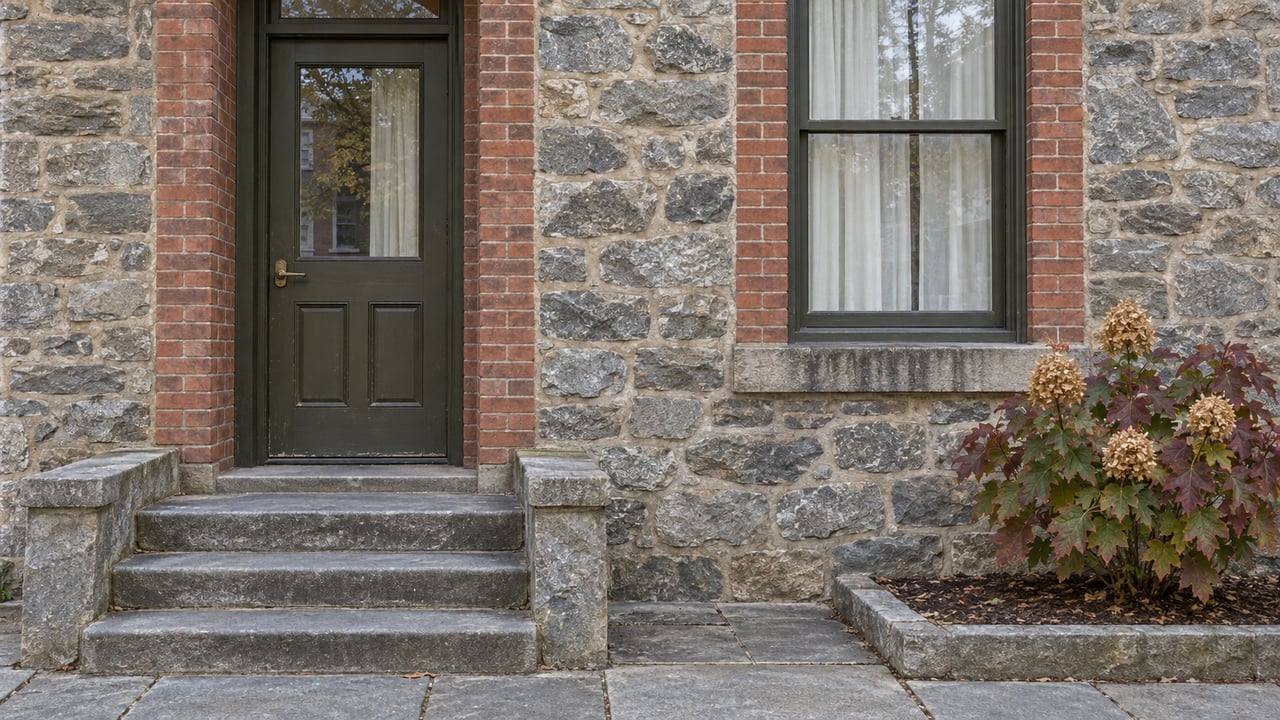
Mt Airy’s housing stock is largely late-19th- and early-20th-century. You will find large gray-stone homes built with Wissahickon schist, along with styles such as Victorian, Colonial Revival, and Cotswold.
The area also includes a notable historic commercial stretch. The city’s Central Mount Airy Commercial Historic District covers about 10 acres along Germantown Avenue between Mt. Pleasant and Mt. Airy Avenues, with two- and three-story mixed-use buildings, rowhouses, and Art Deco commercial buildings built mostly between 1885 and 1933.
Chestnut Hill often stands out for buyers who want a more defined town-center experience. The neighborhood developed as one of Philadelphia’s early streetcar suburbs, and that history still shapes how it feels today.
You can see that in both the architecture and the retail district. The neighborhood combines architect-designed estates with homes built by working families, while the business district creates a strong sense of place with a walkable core centered on Germantown Avenue.
Chestnut Hill includes architecture from three centuries, much of it tied together by the use of Wissahickon schist. Preservation materials also note that the neighborhood has almost 100 mid-century modern homes, which adds another layer of variety for buyers who want something other than traditional stone architecture.
One practical point matters here. Chestnut Hill’s long preservation culture can affect future renovation plans, because city historic designation rules require approval before work on historic properties.
If you love older homes, both neighborhoods give you plenty to explore. The difference is less about whether you will find character and more about what kind of character, plus how much review may be involved if you want to change things later.
Mt Airy offers a wide mix of late-19th- and early-20th-century homes, along with commercial historic fabric along Germantown Avenue. Chestnut Hill offers a broader architectural timeline, from older stone homes to mid-century modern properties, with a preservation identity that is especially visible.
For buyers, this means you should not stop at layout and finishes. You also want to understand what has been updated, what original materials remain, and whether future exterior work could require approval.
Philadelphia’s Historical Commission notes that owners of historic properties must get approval before work on the property. If renovation flexibility matters to you, confirm the home’s status before you assume you can make changes later.
That question can be especially important in neighborhoods where older housing stock and preservation concerns are part of the landscape. A beautiful stone house can be a great fit, but it is smart to understand the rules before you fall in love with a project plan.
For many buyers in Northwest Philly, access to green space is not a bonus. It is part of the reason they are looking here in the first place.
Both Mt Airy and Chestnut Hill connect you to the Wissahickon area, but the experience can feel a little different depending on where you live.
Chestnut Hill’s connection to Wissahickon Valley Park is especially visible. The business district describes the park as sitting on Chestnut Hill’s edge, and its trails information highlights Forbidden Drive and other hiking routes.
Its visitor information also notes that Forbidden Drive offers a car-free ride straight into Chestnut Hill. Philadelphia Parks & Recreation says the 2022 trail-bridge work links Forbidden Drive with the Schuylkill River Trail along Kelly Drive, helping connect Northwest Philadelphia and Center City.
Mt Airy also has strong access to parkland and trails, but the experience tends to depend more on your exact location. Research points to current work tied to the Wissahickon / Park Line and Cresheim Valley in West Mt Airy, and the city’s parkland framework places Carpenter’s Woods in Mt Airy on the northeast side of Wissahickon Valley Park.
That means trail proximity can be excellent in Mt Airy, but it may feel more tied to your specific block and nearest entrance. If outdoor access is high on your list, tour with that in mind.
Both neighborhoods offer strong SEPTA access, which is one reason they remain so attractive for buyers who want city living with a neighborhood feel.
Mt Airy is served by both the Chestnut Hill East and Chestnut Hill West lines. SEPTA lists Mt. Airy, Sedgwick, Stenton, and Washington Lane on the Chestnut Hill East Line, plus Allen Lane, Carpenter, Upsal, and Tulpehocken on the Chestnut Hill West Line, along with bus routes 18, 23, 53, 71, 51, and 81.
Chestnut Hill also has two Regional Rail options. SEPTA notes the Chestnut Hill West Line at the top of the Hill on Germantown Avenue and the Chestnut Hill East station at 101 E. Chestnut Hill Ave., along with bus routes 23, 77, 94, 134, and L.
Chestnut Hill’s business district emphasizes that its core is walkable once you arrive. If you want a neighborhood where shops, dining, and everyday strolling are part of the appeal, that village center may stand out.
Mt Airy still offers convenience along Germantown Avenue, especially with Route 23 running through a key corridor. But daily walkability can feel more spread out and more dependent on the specific part of the neighborhood where you land.
When two neighborhoods look good on paper, your tours should help you sort out the tradeoffs. In older Northwest Philadelphia housing stock, the right questions can save you from surprises after closing.
Here are a few smart questions to ask as you compare Mt Airy and Chestnut Hill:
If you want a more residential feel, a wider mix of block-by-block experiences, and strong access to historic housing stock, Mt Airy may be the better fit. It can be a great choice if you like neighborhood variety and want to weigh each block on its own terms.
If you want a more concentrated village center, a stronger retail core, and especially visible access to the Wissahickon, Chestnut Hill may feel more intuitive right away. It often appeals to buyers who want a walkable commercial district to be part of everyday life.
The good news is that there is no wrong answer here. Both neighborhoods offer character-rich homes, transit access, and a strong Northwest Philadelphia identity. The real question is which one matches your routine, your housing priorities, and the way you want your next move to feel.
If you are weighing Mt Airy against Chestnut Hill, the right guidance can make the choice much clearer. The Liz Clark Real Estate Team helps buyers and sellers navigate Northwest Philadelphia with a strategic, low-pressure approach grounded in real neighborhood knowledge.
Stay up to date on the latest real estate trends.

Home Appraisals Explained for Philadelphia Buyers, Sellers, and Luxury Homeowners.
A Guide to Chestnut Hill Architecture, From Stone Colonials to Modern Landmarks.
How Home Age and Market Value Shape Philadelphia Real Estate Prices.

A Clear Guide to the Home Appraisal Process for Philadelphia Buyers and Sellers.

If you’re thinking about selling your home, obsessively scrolling for a house, planning a relocation to the area, or just feel unsure where to start, we can help. Reach out for a zero-pressure 30-minute phone or video meeting to get started. We are here to listen, support, and educate so you can feel confident with your decisions in our swiftly moving market