What It’s Really Like Living In Port Richmond
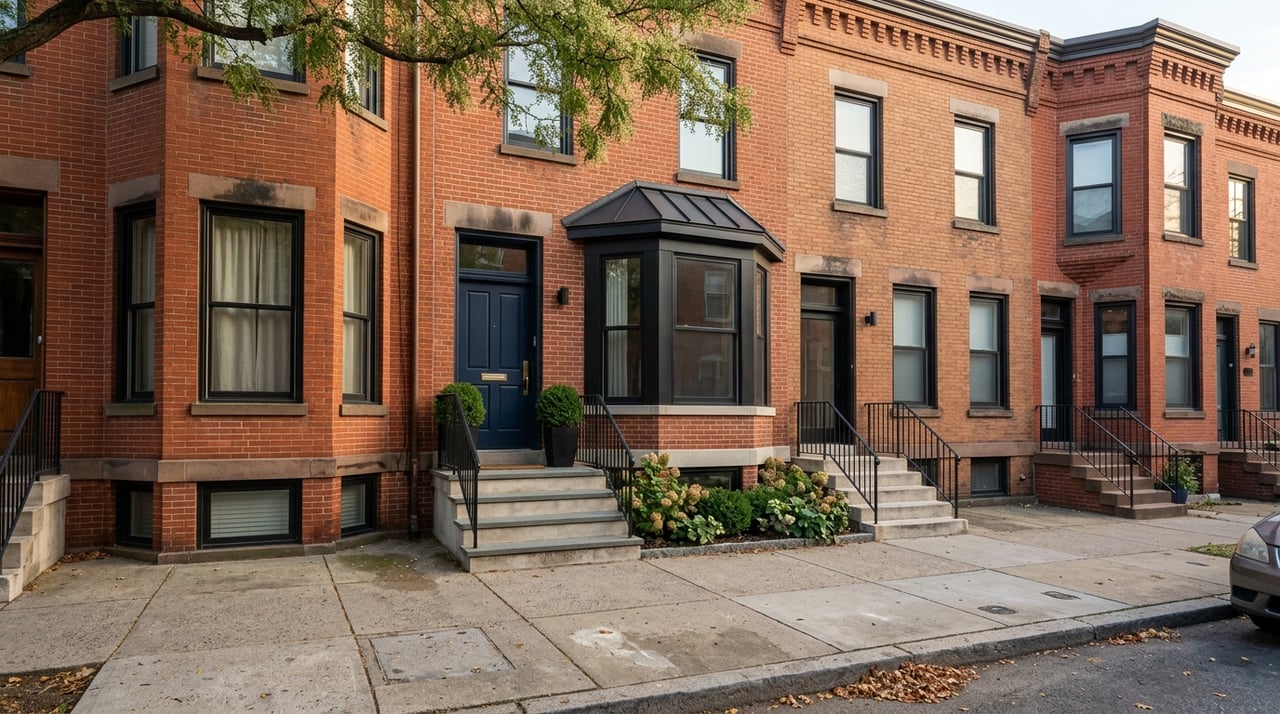
Port Richmond is a historic River Wards neighborhood in Philadelphia characterized by red brick rowhouses, classic stoops, and strong community traditions. Located 5 miles northeast of Center City along the Delaware River waterfront, it offers buyers accessible home prices, local dining spots along Allegheny Avenue, and 1.6 miles of riverfront trails.
Metric / Asset | Neighborhood Detail | Primary Location / Corridor | Key Resident Benefit |
|---|---|---|---|
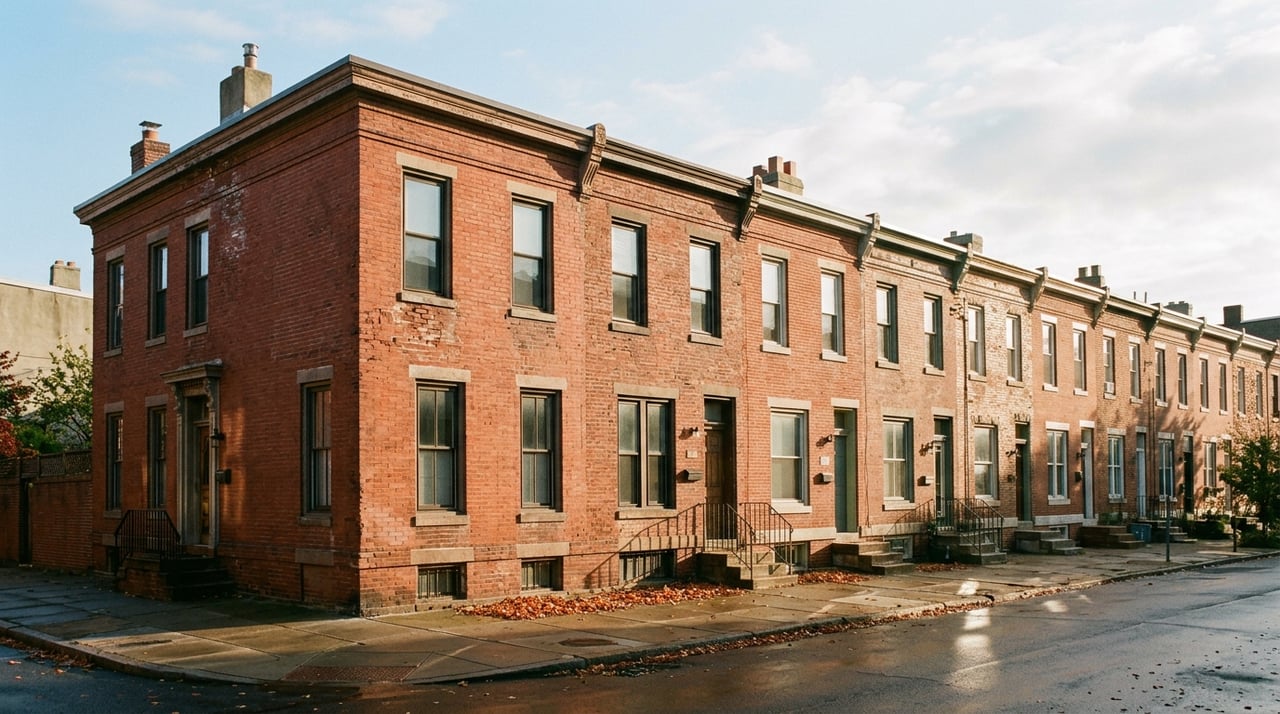
Primary Housing Style | 2-story attached brick rowhouses | Belgrade, Thompson, & Mercer Streets | Historic urban architecture & entry-level value |
Central Public Park | Campbell Square (1.8 acres) | Allegheny Ave & Belgrade St | Community events, green space, & playgrounds |
Waterfront Trail | Port Richmond Trail (1.6 miles) | Richmond St & Allegheny Ave to Lewis St | Dedicated multi-use path for walking & cycling |
Public Transit Connections | SEPTA Routes 60 & 73 | Allegheny Ave & Aramingo Ave | Direct connection to Frankford Transit Center |
If you are trying to figure out whether Port Richmond feels like the right fit, the short answer is this: it feels like a real Philadelphia neighborhood. You get attached brick rowhouses, practical daily routines, modest parks, and a street-by-street mix of residential calm and working-city infrastructure. If you want a clearer picture of what day-to-day life actually looks like here, this guide will walk you through the housing, transportation, public spaces, and neighborhood rhythm that shape Port Richmond.
Port Richmond sits in Philadelphia's River Wards, where traditional rowhouse blocks meet larger commercial and industrial areas. That mix is a big part of the neighborhood's identity. One block may feel quiet and residential, while the next is shaped by heavier traffic, rail structures, or the presence of Interstate 95.
Living here feels grounded and practical rather than polished or curated. Port Richmond has an older, lived-in character that reflects Philadelphia's history as a working rowhouse city. If you are looking for a neighborhood with a strong sense of place and an authentic atmosphere, that is part of the appeal.
Port Richmond is closely tied to Philadelphia's rowhouse history. Rowhouses in this area were historically built for workers living near riverfront industries and factories, and that pattern still shapes the neighborhood today.
The predominant housing style features attached brick homes on narrow lots, front stoops, and modest rear yards. These are homes designed for city living, compact streetscapes, and close-knit urban blocks.
Many homes feature traditional two-story layouts, flat roofs, and floor plans that reflect classic early 20th-century design. Across the neighborhood, buyers will find a mix of well-preserved original rowhouses, tastefully updated interiors, and new infill developments seamlessly integrated into historic streetscapes.
Port Richmond is a dynamic neighborhood where residential blocks exist alongside major infrastructure. While interior streets like Belgrade, Thompson, and Salmon offer quiet rowhouse living, major connectors like Allegheny Avenue and Aramingo Avenue accommodate commercial activity and regional traffic.
Port Richmond provides an established, functional, and local community feel. Residents enjoy established civic anchors, neighborhood schools, and a welcoming atmosphere rooted in decades of Philadelphia history.
Port Richmond is primarily bus- and car-oriented. SEPTA Route 60 runs along Allegheny Avenue, while Route 73 connects residents directly to the Frankford Transit Center for seamless transfers to the Market-Frankford Line into Center City.
Major vehicular corridors include Allegheny Avenue, Richmond Street, and Aramingo Avenue. Direct access to I-95 at Allegheny Avenue makes commuting north toward Bucks County or south toward Center City and Philadelphia International Airport highly efficient for vehicle owners.
Port Richmond features a network of well-maintained public parks and community anchors:
While industrial sites historically limited riverfront access, public connections have expanded significantly. The Port Richmond Trail provides a dedicated 1.6-mile multi-use paved path from Richmond Street and Allegheny Avenue to Lewis Street, offering walking, running, and cycling routes along the Delaware River corridor.
Port Richmond's dining scene features a rich blend of long-standing traditional eateries and contemporary local cafes. Renowned neighborhood dining highlights include:
Neighborhood boundaries, transportation maps, and public recreation data are verified through official City of Philadelphia municipal planning records and SEPTA transit schedules.
Port Richmond is an exceptional fit for buyers seeking classic Philadelphia rowhouse architecture, accessible home values, and a neighborhood grounded in local tradition. It appeals to first-time homebuyers, young professionals, and longtime Philadelphia residents who value practical transit options, local parks, and proximity to adjacent River Wards communities like Fishtown and East Kensington.
When searching for a home in Port Richmond, evaluating specific block dynamics is essential. Proximity to transit routes, parking availability, and distance to neighborhood parks like Campbell Square or the Port Richmond Trail vary across the neighborhood. Working with experienced local real estate agents ensures you select a block that aligns with your lifestyle and long-term goals.
About the Author: Liz Clark is a leading Philadelphia real estate agent with Compass specializing in the River Wards, including Port Richmond, Fishtown, and Kensington. Liz provides clients with street-level market insights, rowhouse valuations, and personalized guidance throughout the buying and selling process.
Port Richmond is largely defined by two-story attached brick rowhouses built on narrow urban lots, featuring traditional front stoops, hardwood floors, and modest private rear yards or patios.
Yes. Port Richmond provides convenient transit options via SEPTA Bus Routes 60 and 73 connecting to the Frankford Transit Center and Market-Frankford Line. Vehicle commuters benefit from immediate access to Interstate 95 at Allegheny Avenue.
Yes. Port Richmond features several green spaces including the 1.8-acre Campbell Square, Powers Park, Glavin Playground, and the 1.6-mile multi-use Port Richmond Trail along the riverfront corridor.
Port Richmond borders the Delaware River. While portions of the riverfront contain working industrial sites, public waterfront access is available via the Port Richmond Trail at Richmond Street and Allegheny Avenue.
Daily life in Port Richmond centers around quiet rowhouse blocks, local coffee shops on Richmond Street, neighborhood dining along Allegheny Avenue, community gatherings at Campbell Square, and easy access to Center City.
If you are exploring Port Richmond or comparing River Wards neighborhoods across Philadelphia, working with an experienced local real estate team makes all the difference. Contact The Liz Clark Real Estate Team today to explore available rowhouses and discover your ideal Philadelphia neighborhood.
Stay up to date on the latest real estate trends.
The Decisions That Set Up a Smooth Sale in Chestnut Hill, PA.

Reaching the People Most Likely to Fall for Your Chestnut Hill, PA, Home.

A Walk Down Germantown Avenue and What You'll Find Along It.

How a Strong Launch Shapes the Whole Sale in Chestnut Hill, PA.


Downsizing in Philadelphia: The Stress Free Plan for Empty Nesters
If you’re thinking about selling your home, obsessively scrolling for a house, planning a relocation to the area, or just feel unsure where to start, we can help. Reach out for a zero-pressure 30-minute phone or video meeting to get started. We are here to listen, support, and educate so you can feel confident with your decisions in our swiftly moving market