By The Liz Clark Team
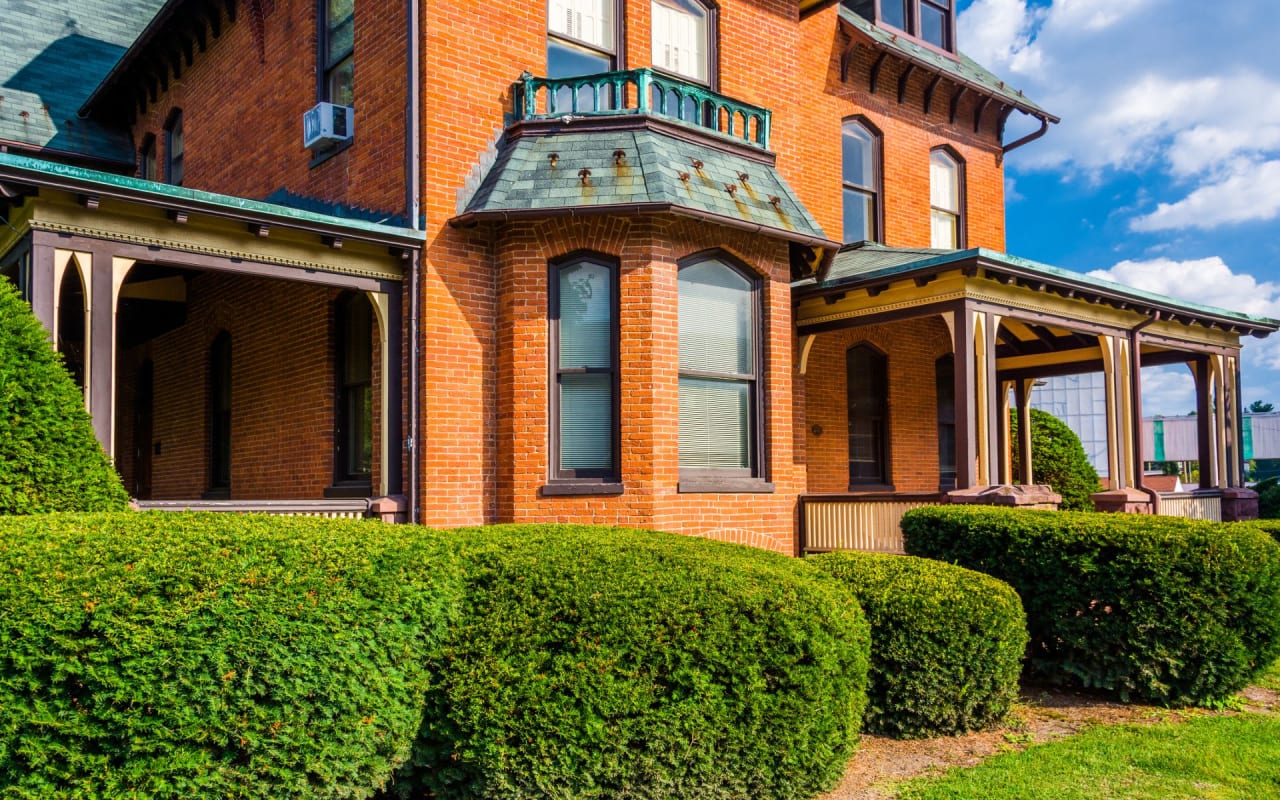
Chestnut Hill is one of Philadelphia's most architecturally significant neighborhoods, with more than 2,600 buildings dating from 1744 to the present. The Victorian cottages, Colonial Revivals, and Arts and Crafts homes that line its streets are what draw buyers here, and they come with a set of regulatory considerations that buyers from other Philadelphia neighborhoods encounter for the first time. Here is what every buyer should understand before purchasing a home in Chestnut Hill's historic district.
Key Takeaways
-
The distinction between National Register listing and local Philadelphia Historical Commission designation matters enormously
-
Properties in Chestnut Hill's historic district are classified as contributing or non-contributing, a classification that directly affects how the PHC evaluates proposed changes to the property
-
The PHC review process is less onerous than most buyers fear, with approximately 95 percent of permit applications approved by staff, often within five days, and there are no fees for the review
-
Historic designation in Philadelphia does not affect property tax assessments or homeowner's insurance rates
National Register vs. Local Designation
Most of Chestnut Hill falls within the Chestnut Hill National Register Historic District, a federal designation that recognizes the neighborhood's architectural and historical significance. What the National Register does not do is regulate what a private owner can change. Unless federal permits or funding are involved, a homeowner on the National Register can alter their property without federal interference.
Local designation by the Philadelphia Historical Commission is a different instrument entirely. A property that is individually listed on the Philadelphia Register of Historic Places, or that is a contributing structure within a locally designated historic district, is subject to PHC authority over exterior changes that are visible from public ways. That means window replacements, additions, masonry changes, and visible new construction all require a Certificate of Appropriateness before a building permit can be issued. Before any offer is submitted on a Chestnut Hill property, the specific local designation status of that property should be confirmed.
What Buyers Should Confirm Before Submitting an Offer
-
Whether the property is individually listed on the Philadelphia Register of Historic Places, within a locally designated historic district, or only on the National Register
-
The PHC's interactive map is searchable by address and is the most direct way to confirm local designation status
-
Whether the seller has disclosed the property's historic designation
-
Whether any work visible from public ways has been done since the property was designated
Contributing vs. Non-Contributing
Every property within a Chestnut Hill historic district carries one of two classifications: contributing or non-contributing. A contributing property reflects the historical and architectural character of the district as it was defined at designation. In practical terms, this typically means the exterior has remained largely intact from the period of significance. A non-contributing property does not reflect that character, usually because it was built after the relevant period or has been substantially altered over time.
This distinction shapes what happens when a buyer wants to make changes. The PHC evaluates alteration requests differently depending on classification. Changes to contributing properties are held to a higher standard of design compatibility, and proposals that would diminish the property's architectural character face a more demanding approval path. Buyers with renovation plans should understand which classification applies before those plans are made.
What the Contributing or Non-Contributing Status Affects
-
The standard of review applied to proposed exterior alterations
-
The Chestnut Hill Conservancy's Historic District Advisory Committee is a neighborhood resource available to buyers and owners seeking context on how the review process works for specific project types before a purchase is finalized
-
Whether a buyer's renovation plans are realistic within the PHC's review framework
-
The resale implications of classification
How the PHC Review Process Works
The review process that governs exterior changes to locally designated Chestnut Hill properties is less burdensome in practice than most buyers expect. When a property owner applies for a building permit through the City's Department of Licenses and Inspections, the online permitting system automatically notifies the PHC if the application involves a property on the Philadelphia Register. No separate application to the PHC is required. PHC staff reviews the application and approves approximately 95 percent of projects. There are no fees associated with PHC review.
Projects that staff cannot approve administratively are forwarded to the full Historical Commission, which holds public hearings. These hearings are the exception rather than the rule and are typically reserved for larger or more complex projects. Routine maintenance does not require any permit or PHC review. The Commission does not regulate paint colors for wood and metal trim, and its jurisdiction does not extend to building interiors unless they are specifically listed on the Philadelphia Register.
What the Review Process Covers and What It Does Not
-
PHC jurisdiction covers exterior alterations to locally designated properties that are visible from public ways
-
Routine maintenance including painting wood trim, cleaning gutters, and replacing clear window glass in kind does not require a permit or PHC review
-
Interior spaces are not regulated by the PHC unless they are specifically listed on the Philadelphia Register
-
PHC staff are available as a planning resource before work begins and can advise on whether a proposed project is likely approvable at the staff level or will require a Commission hearing
FAQs
Does buying a home in Chestnut Hill's historic district mean I cannot renovate?
No. Historic designation does not prevent renovation — it shapes how exterior renovations visible from public ways are reviewed. The majority of applications are approved by staff without a full Commission hearing. Buyers with renovation plans should contact PHC staff early to understand what is likely approvable for the specific changes they have in mind.
How do I find out if a Chestnut Hill property is locally designated by the PHC?
The PHC maintains an interactive map of properties on the Philadelphia Register searchable by address. PHC staff can also confirm a property's status and contributing classification.
What happens if a prior owner made changes without PHC approval?
Unpermitted changes to a locally designated property can result in violations, fines, and a requirement to reverse the work, and that obligation transfers to the new owner. An unpermitted window replacement or addition made by a prior owner becomes the buyer's problem to resolve, which is why reviewing the permit history of any Chestnut Hill historic property before submitting is important.
Contact The Liz Clark Team Today
Buying into Chestnut Hill's historic district is a decision that rewards preparation. We work with buyers in Chestnut Hill, Mount Airy, and Germantown every day, and we make sure every client understands the regulatory context of the property they are pursuing before any offer goes in.
Reach out to us,
The Liz Clark Team, to connect and get started.