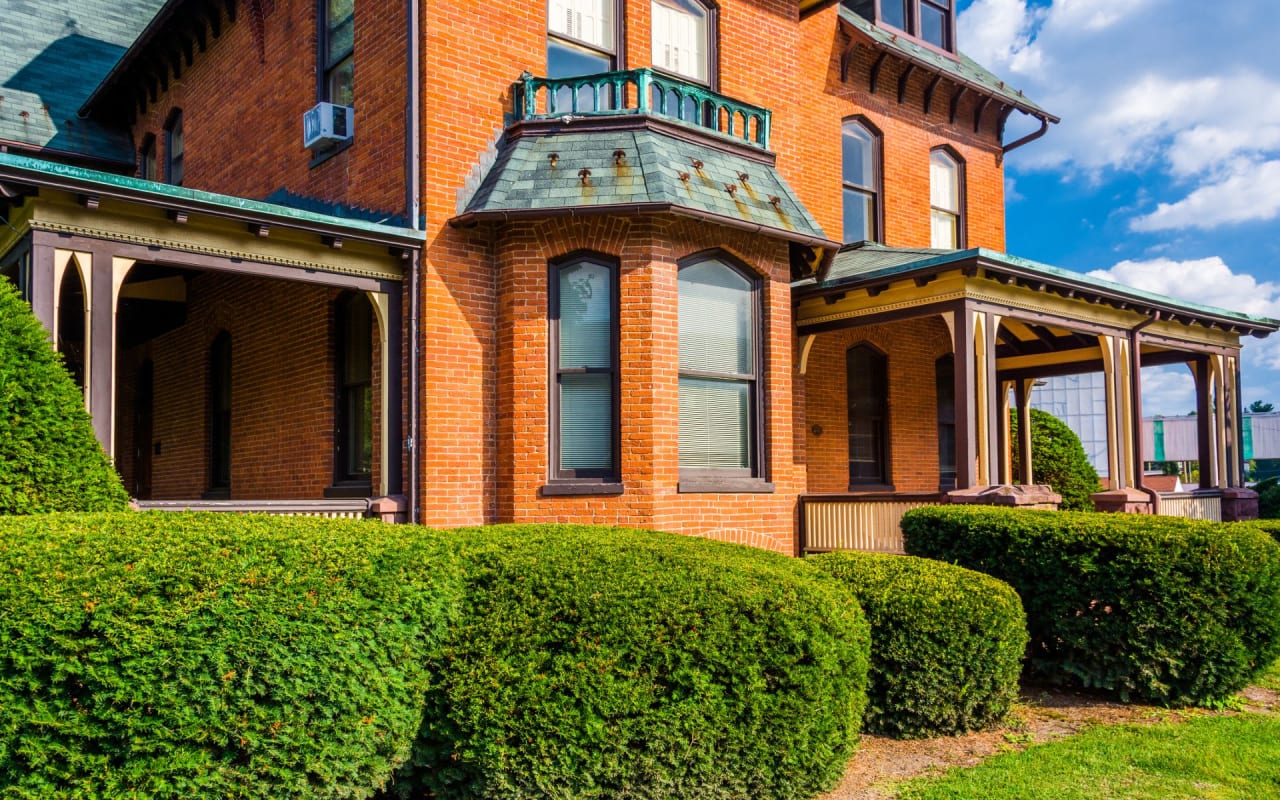
How to help keep your home warm during this winter season

Philadelphia is in the middle of an extremely cold winter weather stretch, and when temperatures drop, energy usage—and utility bills—tend to rise quickly. Whether you’re a homeowner, landlord, or renter, keeping your property comfortable while managing costs becomes especially important during prolonged cold snaps.
The good news? There are practical steps you can take right now to reduce energy waste, control heating expenses, and protect your home. In addition, local financial assistance, energy-efficiency programs, and energy-usage management resources are available to help Philadelphia residents weather the winter months.
Below are some of our team’s top tips for keeping your home comfortable and your systems running efficiently.
Keeping your thermostat at a steady, comfortable temperature can make a noticeable difference. For every degree you lower your thermostat, you can save roughly 2% on heating costs. When you’re sleeping or away from home, lowering the temperature by 10–15 degrees for about eight hours can reduce your heating bill by up to 10%.
For added convenience and control, consider installing a smart thermostat, which allows you to manage energy usage remotely and adjust settings based on your schedule.
Liz Tip!
Be sure to manage your thermostat based on the type of heating system you have (forced-air vs. boiler). These systems require different strategies for efficiency—more on that below.
If certain rooms, basements, or closets aren’t being used regularly, close doors and vents to prevent warm air from being wasted. This helps your heating system work more efficiently where it matters most.
Liz Tip!
If your air registers don’t have closable vents, magnetic vent covers are an inexpensive way to redirect airflow to other areas of your home. Just be sure there are no water lines in any area where heat is reduced—cold pipes can freeze and burst.
Philadelphia winter days may be cold, but sunlight can still help. Open curtains on south-facing windows during the day to let in natural heat, then close them at night to reduce heat loss from cold glass.
A poorly sealed home can quietly drive up heating costs and make your system work harder. Check for air leaks around doors, windows, and utility entry points, and seal them with caulk or weatherstripping. Locking windows can also improve their seal. If you have a fireplace, make sure the damper is closed when it’s not in use.
Liz Tip!
I keep a wool blanket draped over my fireplace screen for extra draft protection. If you’re not sure where cold air is coming from, light a candle and watch the flame—its movement can help lead you straight to the draft source.
Proper insulation doesn’t just keep your home warmer—it can significantly reduce energy bills. Sealing air leaks around floors, walls, ceilings, ducts, doors, and windows can lower monthly heating costs by up to 10% while improving overall comfort.
This is a great project to add to your spring or summer home-maintenance list.
Disconnected or leaky ducts force your heating system to work harder than necessary. A quick inspection—especially in basements or utility areas—can reveal problems that, once repaired, may lead to noticeable energy savings.
Liz Tip!
Duct tape was invented for a reason—use it!
Cold winters are part of life in Philadelphia, but paying attention to how your home performs during extreme weather can help you improve your systems and control your bills. A few proactive steps now can protect your home, increase comfort, and keep heating costs manageable all season long.
Philadelphia’s housing stock is diverse, and the type of heating system in your home can make a big difference in comfort and winter energy costs. Two of the most common systems locally are boilers (radiator or baseboard heat) and forced-air heating, each with its own considerations.
Homes with boiler heat typically experience more even, consistent warmth, often feeling comfortable at lower thermostat settings. Because boilers heat water rather than air, they don’t dry out indoor air as much and aren’t affected by duct leaks. However, boiler systems respond more slowly to temperature changes, so frequent thermostat adjustments can actually increase energy use. In boiler-heated homes, it’s usually best to maintain a steady temperature and focus on insulating pipes and sealing drafts.
Homes with forced-air heat warm up more quickly and allow for easier temperature setbacks when you’re asleep or away, which can lead to energy savings if managed properly. That said, forced-air systems can lose efficiency through leaky or poorly insulated ducts—an issue commonly found in older Philadelphia rowhomes and twins. Forced-air heat can also dry indoor air, so using a humidifier may improve comfort without raising the thermostat.
When buying or owning a home in Philadelphia, understanding the heating system—not just the square footage—can help you better anticipate winter comfort, maintenance needs, and utility costs. Stay warm friends!
-Liz
Stay up to date on the latest real estate trends.

Home Appraisals Explained for Philadelphia Buyers, Sellers, and Luxury Homeowners.

A Guide to Chestnut Hill Architecture, From Stone Colonials to Modern Landmarks.

How Home Age and Market Value Shape Philadelphia Real Estate Prices.

A Clear Guide to the Home Appraisal Process for Philadelphia Buyers and Sellers.

If you’re thinking about selling your home, obsessively scrolling for a house, planning a relocation to the area, or just feel unsure where to start, we can help. Reach out for a zero-pressure 30-minute phone or video meeting to get started. We are here to listen, support, and educate so you can feel confident with your decisions in our swiftly moving market