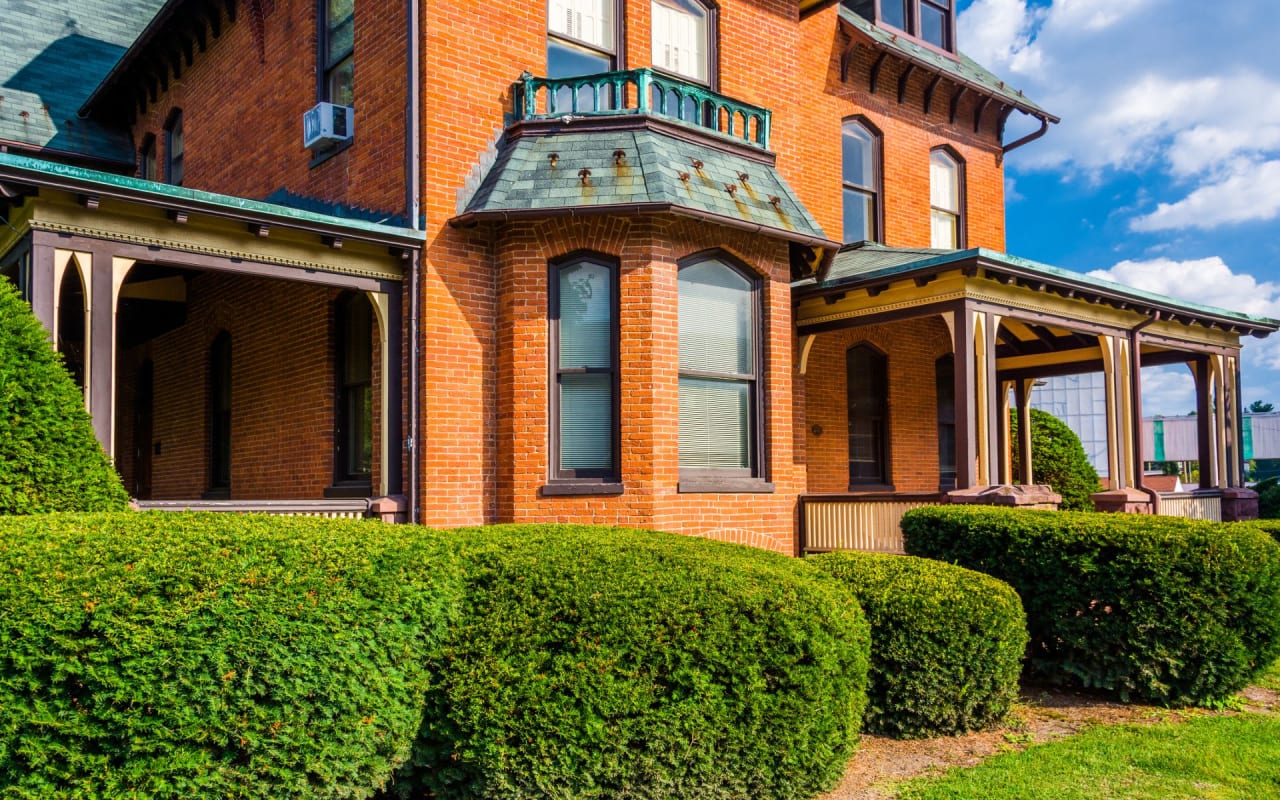
Why Front Street Keeps Adding Housing Along the El Despite Lower Ridership

Stand on Front Street under the Market-Frankford El on a weekday afternoon and the contrast is hard to miss. A train rattles overhead, then the platform below empties out again. A block away, a crane swings over what used to be a dollar store. Scaffolding wraps another building where a boxing gym once trained fighters for the Rocky films. New apartment listings often note the station nearby: steps from the El, easy ride downtown.
Here's how construction and ridership compare. Ridership on the Market-Frankford Line is running at only 58 percent of what it was in February 2020, according to data reported this year. Meanwhile the stretch of Front Street between the Girard and York-Dauphin stations, about 1.1 miles of track, has 441 apartment units under construction right now, another 174 proposed, and 231 already completed since 2019. Before 2019, that same stretch had roughly 215 units total. The construction boom is happening even as ridership remains below its February 2020 level.
If you're comparing homes near this stretch of the El with other Philadelphia neighborhoods and trying to figure out what a location premium actually buys, this gap between construction and ridership is worth understanding before you tour a single unit.
Developers spent years avoiding Front Street. The elevated track brings noise and blocks light, and for a long time that made the corridor a hard sell next to nearby blocks. Henry Siebert, cofounder of Archive Development, put it plainly to the Philadelphia Inquirer:
"The amount of construction that's ongoing, I don't see that anywhere else in Fishtown."
That quote is a few years old now, but the pipeline it describes hasn't slowed. A 120-unit, seven-story building at 31-35 W. Girard Ave, right next to the Front-Girard station, presented to the Fishtown Neighbors Association this spring and drew complimentary feedback on its brick and concrete design. Because the project matches the site's existing zoning, it doesn't need to go before the city's Zoning Board of Adjustment at all. The site had sat vacant for roughly three years after its last tenant, a dollar store, closed. Eighty percent of the planned units are one-bedrooms, ten percent are two-bedrooms, and ten percent are studios, a mix that led community members at the meeting to ask about family-size units. Fishtown Neighbors board member Jerold Grupp said a few developers have agreed to include a few three-bedroom units.
None of that construction activity requires anyone to actually ride the train underneath it.
Philadelphia's zoning code currently allows developers to build more housing with less required parking on properties within 500 feet of SEPTA stations that the city has designated for transit-oriented development. Mayor Cherelle Parker's administration has proposed expanding that radius to 1,320 feet, a quarter mile, as part of a broader push to build or repair 30,000 homes across the city, according to reporting covered by philadelphia.today. If that bill passes, the density bonus that currently applies to buildings hugging the El tracks would extend to a much wider swath of streets running inland from the line, which likely means the current construction wave isn't a final chapter.
As sites on Frankford Avenue and the interior blocks filled in, Front Street also saw development, with parking reductions near transit stations helping projects pencil out despite lower ridership.
SEPTA seems aware that building next to a station and getting people to actually use it are two different problems. The agency is piloting an extension of its SEPTA Key Advantage program, which currently offers free transit passes through employers and schools, to apartment building tenants directly. The first building in the pilot is the Isaac, a 104-unit building at 1900 N. Front St. with no on-site parking, sitting directly across from the Berks Station, according to Inquirer coverage from this July.
The surrounding area includes several projects moving at once, from a handful of different developers:
A 12,000-square-foot former post office site at 1602 Frankford Ave is also listed for redevelopment between the restaurants Kalaya and Suraya.
If you're weighing a new one-bedroom under the El against a rowhome three or four blocks west, the honest answer is that you're not really choosing between two kinds of transit access. You're choosing between two different products built for two different reasons.
Zoning incentives help explain the construction along Front Street, while ridership remains below its February 2020 level. What you're actually paying for in that unit is proximity to Frankford Avenue's restaurants and shops, plus reduced parking requirements that keep rents and construction costs lower than they'd otherwise be. Some of these buildings sit close enough to the tracks that train noise and reduced natural light are real considerations worth asking about directly during a tour, not assumptions to gloss over.
A rowhome further into the neighborhood's interior streets is a different trade. You're likely paying more per square foot for established housing stock, but you're buying quiet and daylight that the El-adjacent buildings structurally can't offer in the same way. Both locations put you within walking distance of the same restaurants and the same commercial corridor. The El isn't really the differentiator either way. Walkability to Frankford Avenue is.
If commuting into Center City by train is genuinely part of your daily routine, it's worth asking a listing agent or current resident how often people in that specific building actually use the station nearby, rather than relying on proximity language alone.
Does low ridership mean the train is a bad way to get downtown? Not necessarily. Lower ridership likely reflects that fewer residents are commuting into offices five days a week, not that the trip itself has gotten worse. If you do plan to ride regularly, the line still runs, it's just running with fewer riders than it used to.
Why would anyone build next to a noisy, light-blocking train line? Available parcels and zoning incentives help explain why some projects are being built along this stretch despite the noise and light tradeoffs.
Is this construction wave close to finished? It doesn't look like it. The city's proposed expansion of the transit-oriented development radius from 500 feet to a quarter mile would open up a much wider band of parcels to the same density incentives currently limited to the immediate trackside blocks.
Buying near this stretch of the El rewards buyers who understand what they're purchasing block by block, including the tradeoffs of each address. If you're weighing a new-construction unit under the El against something farther from the tracks, Liz Clark can walk the specific block with you and talk through what each address is really trading off. Let's meet.
This article is general information, not legal, tax or financial advice. Consult a qualified professional about your situation.
Stay up to date on the latest real estate trends.

Home Appraisals Explained for Philadelphia Buyers, Sellers, and Luxury Homeowners.
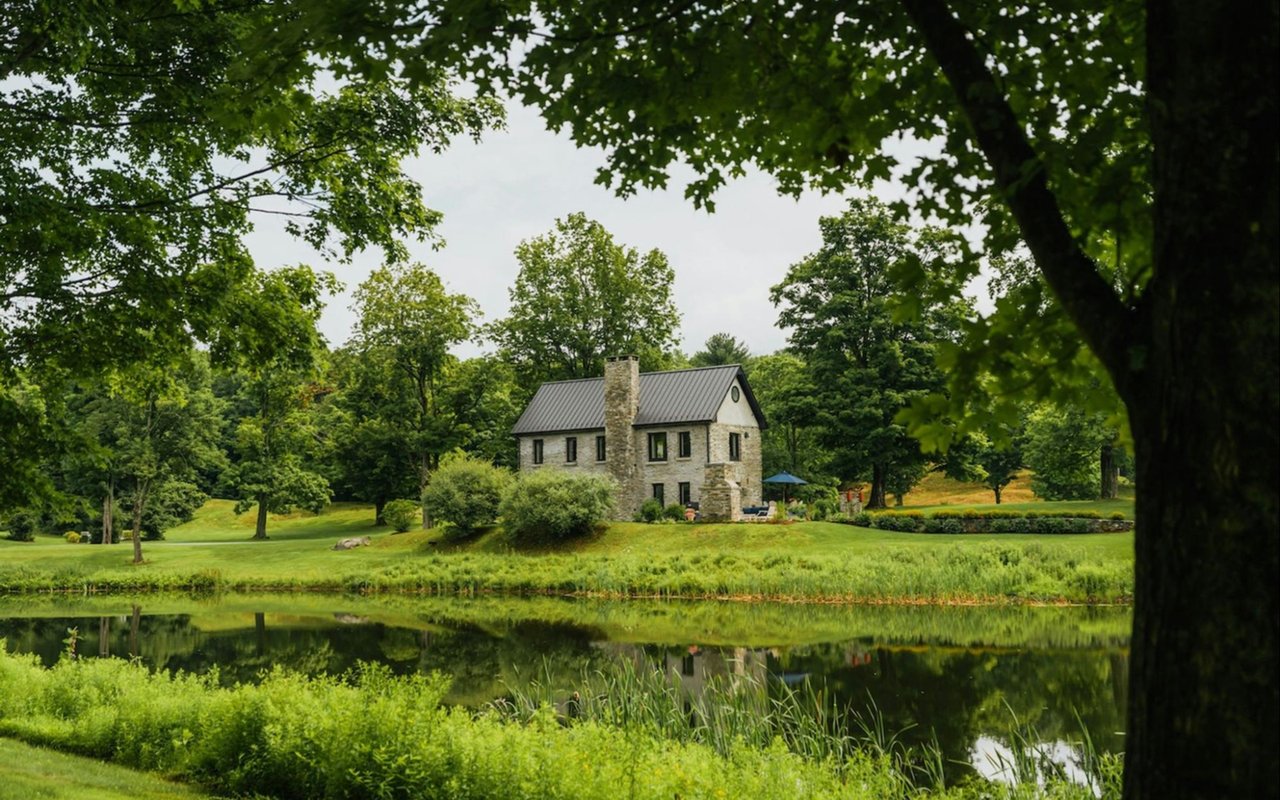
A Guide to Chestnut Hill Architecture, From Stone Colonials to Modern Landmarks.
How Home Age and Market Value Shape Philadelphia Real Estate Prices.

A Clear Guide to the Home Appraisal Process for Philadelphia Buyers and Sellers.
If you’re thinking about selling your home, obsessively scrolling for a house, planning a relocation to the area, or just feel unsure where to start, we can help. Reach out for a zero-pressure 30-minute phone or video meeting to get started. We are here to listen, support, and educate so you can feel confident with your decisions in our swiftly moving market